Bulletin: Memo to Trump: Five reasons to act on climate

Mr. President:

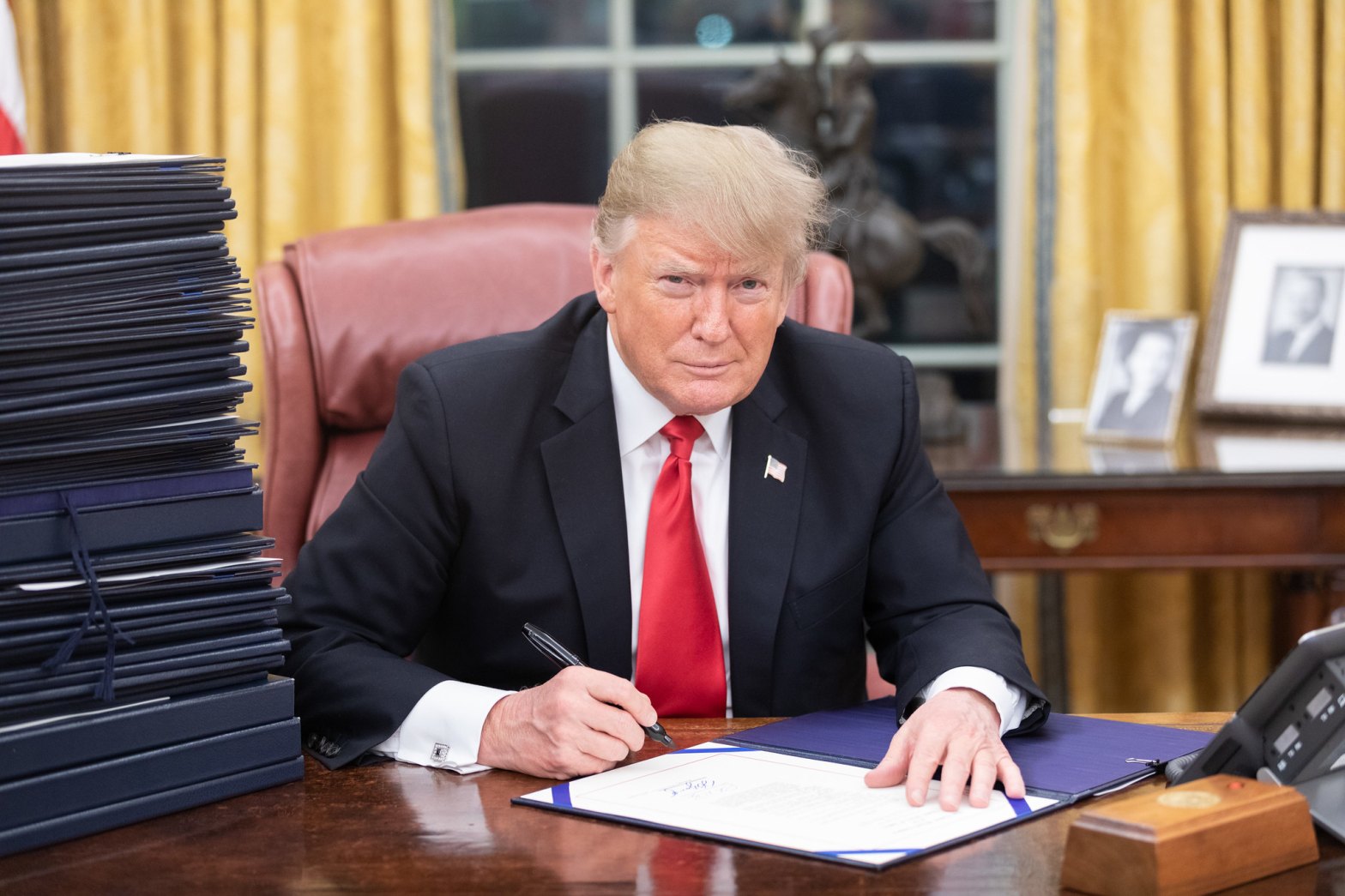
Where to begin? As soon as you regained the highest political office in the United States, you began the process to withdraw the country from the Paris Agreement, joining the exalted ranks of Iran, Libya, and Yemen—the only other countries not party to the agreement.

You proclaimed Alaska “open for business” for all kinds of resource extraction, from mining to timber, with special attention paid to liquified natural gas and other energy projects.

You declared a national energy emergency, even though the United States currently produces more oil and gas than any other country. You commanded federal agencies to “exercise any lawful emergency authorities available to them” to facilitate the production of domestic energy resources—but not wind! “We aren’t going to do the wind thing,” you said.

The editorial brief for this memo was “advice for the incoming president that he might actually take.” Does such a thing exist within the climate arena, Mr. President? I polled some Bulletin contributors to see what they would suggest.

Read more…

Bulletin: ‘Not enough firefighters’: Historic wildfires rage unabated in Southern California

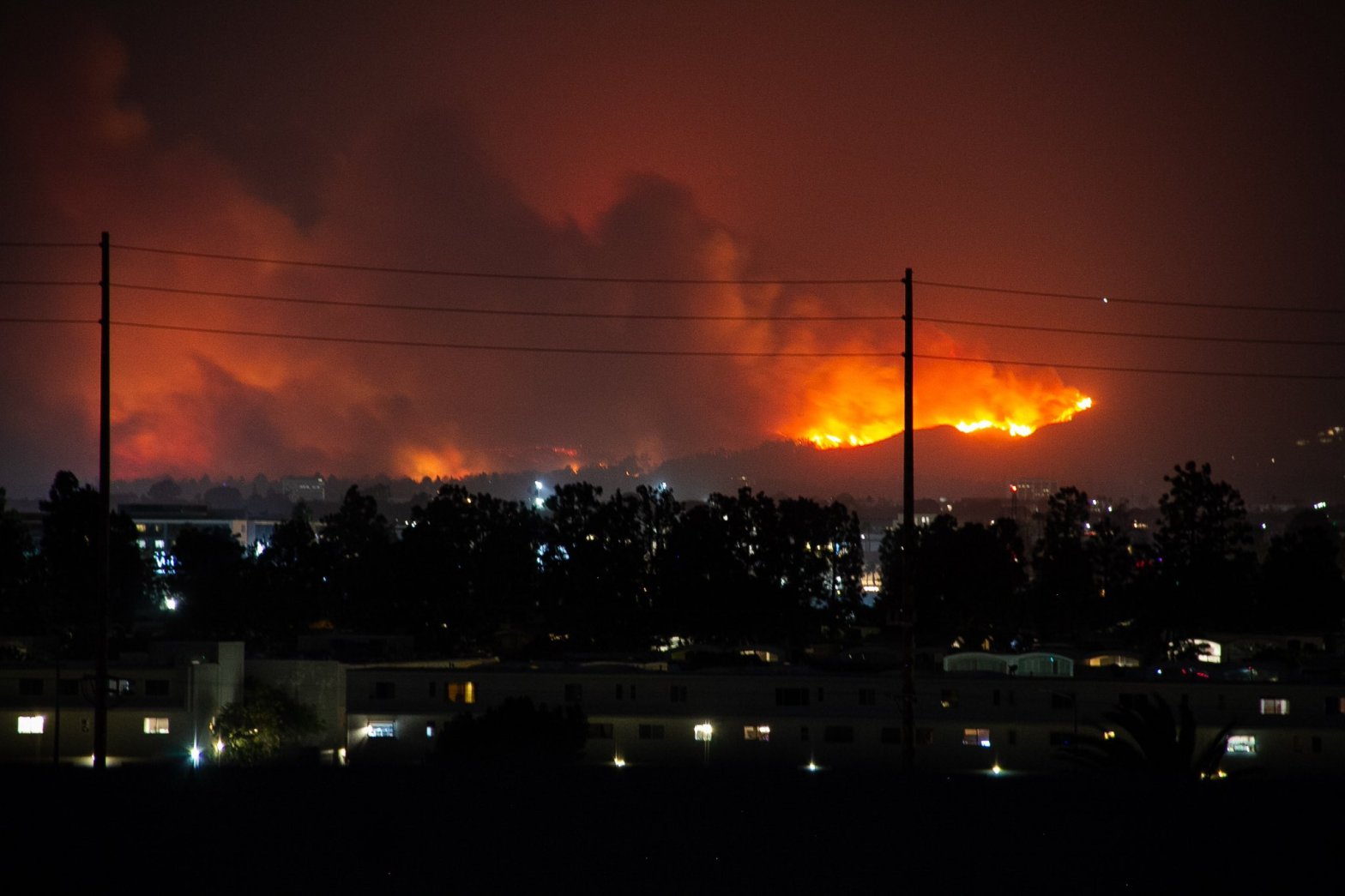
Two people have died and more than 1,000 structures have been destroyed in wildfires raging in the Los Angeles area, according to Los Angeles County Fire Chief Anthony Marrone. Approximately 80,000 people have been ordered to evacuate, and thousands of structures are at risk.

The Palisades Fire has burned over 11,800 acres in the upscale Pacific Palisades neighborhood and is continuing to grow, with zero percent containment. The Eaton Fire, burning in the Angeles National Forest and in Pasadena, is now over 10,000 acres and continuing to grow, with zero percent containment. The Hurst and Woodley fires have burned over 500 and 30 acres, respectively.

Although the hurricane-force winds (which reached up to 100 mph) were expected to die down by midday, even the moderately high winds expected to continue through Wednesday evening will continue to make containment a challenge.

In a press conference Wednesday morning, Los Angeles Fire Chief Marrone bluntly stated that the region’s firefighting forces were not prepared for numerous wildfires of this magnitude: “No, L.A. County and all 29 fire departments in our county, are not prepared for this kind of widespread disaster. There are not enough firefighters in L.A. County to address four separate fires of this magnitude. The L.A. County fire department was prepared for one or two major brush fires, but not four, especially given these sustained winds and low humidities.”

Read more…

Bulletin: Murder, mayhem, and minerals: The price of the renewable energy revolution

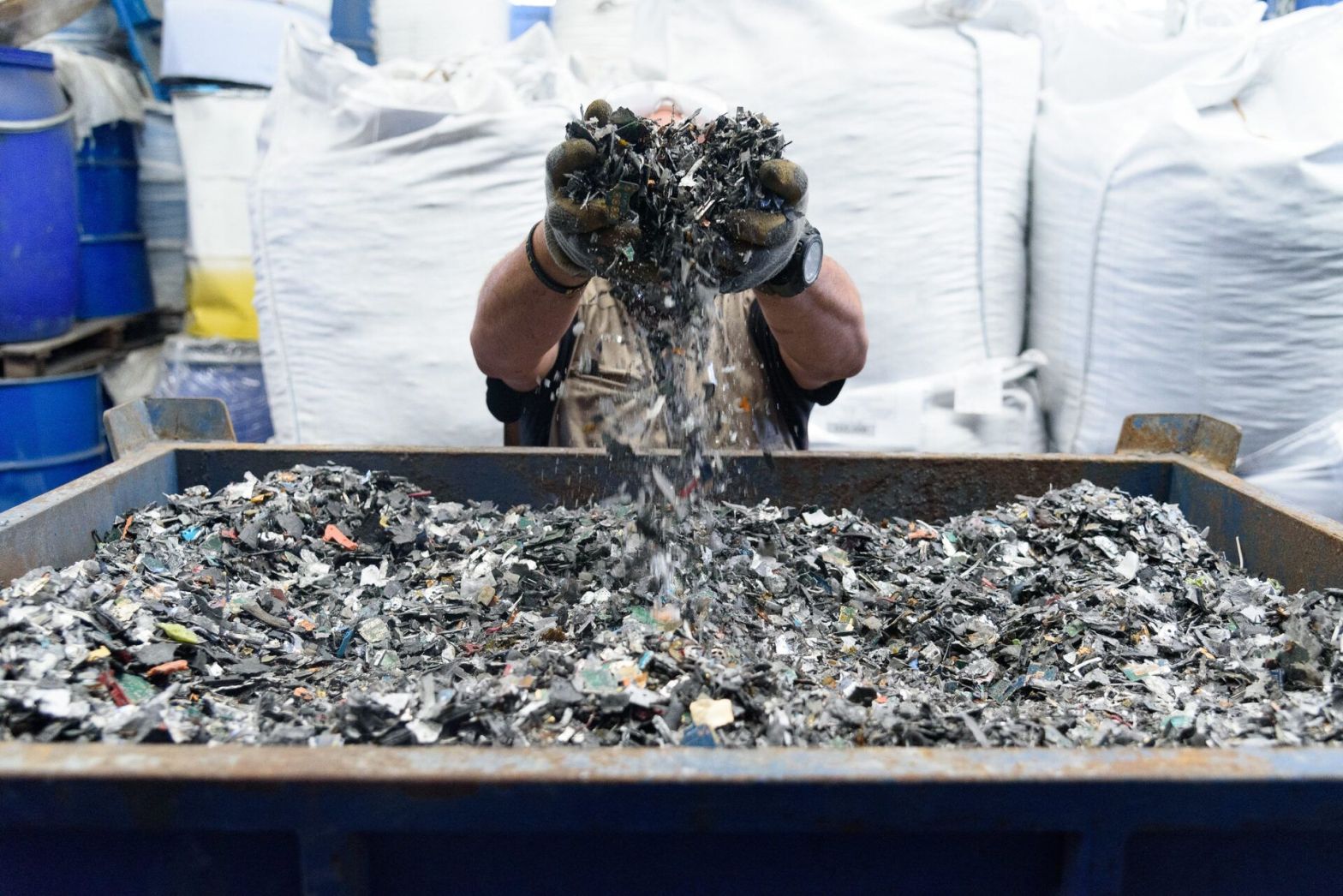
It’s not as if the human and environmental toll of mining is a particularly well-kept secret. But the full extent of the damage from mining for the rare earth elements and other metals that go into electronic devices, electric vehicles, solar panels, and countless additional components of modern life can be hard to wrap one’s mind around—unless the mountain of evidence is laid out end-to-end, as in Vince Beiser’s new book Power Metal: The Race for the Resources That Will Shape the Future. The book begins with an overview of what Beiser calls “critical metals,” where they come from, and the history of their discovery and extraction, before moving on to the current state of mining and processing critical metals today.

Demand for these substances has soared in the Information Age and is projected to keep climbing. (One factoid that stood out: “Just one Tesla Model S can contain as much lithium as ten thousand mobile phones.”) The environmental damage caused by the production of critical metals is continuing to mount—and could grow in unexpected ways if, for example, companies begin mining the sea floor.

Still, humans need these substances, especially for the renewable energy technologies needed to stem climate change. There is no Cinderella-shoe solution. There are always trade-offs. As Beiser writes, “When it comes to mining, the choice is never between bad and good but only bad and less bad.”

Beiser’s question is, in the end, how can the world mine better? How can the damage—to people, to places—be minimized? He also examines the various ways to limit mining by increasing recycling (itself a dirty and dangerous business that could stand to be improved) and reducing demand for metals in the first place.

Read more…

Bulletin: Americans elect a climate change denier (again)

It was Election Day in America. Four people, including two poll workers, died in flash floods in Missouri. The National Weather Service recorded 3.75 inches of rainfall in St. Louis the day before, nearly three times as much as the previous daily record for November 4. “We can’t necessarily attribute one instance, one event, to the effects of climate change, but we are having these extreme rainfall events happening more frequently, and they will continue to increase in frequency,” National Weather Service meteorologist Melissa Delia told the local public radio station.

It was Election Day in America. Residents of the 25 North Carolina counties most impacted by Hurricane Helene, which was made rainier, more powerful, and more likely because of climate change, voted in higher numbers than the rest of the state after the elections board expanded voting options for those areas. Voters in Florida also adjusted to storm-related upheaval after the one-two punch of hurricanes Helene and Milton. Dozens of precincts across the state had to move polling places as a result of hurricane damage, and Gov. Ron DeSantis changed voting procedures to allow greater flexibility for worst-hit areas. Like Helene, Hurricane Milton was both more intense and rainier because of climate change. The two storms combined killed more than 260 people across Florida and the southeastern United States.

Read more…

Bulletin: Meteorologist John Morales: There’s rapid intensification, there’s extreme rapid intensification—and then there’s Hurricane Milton

Fresh on the heels of Hurricane Helene, Hurricane Milton is barreling towards the Florida peninsula and is likely to make landfall near Tampa Bay metropolitan area, home to more than 3.1 million people, sometime late Wednesday or early Thursday. Tampa Mayor Jane Castor issued a stark warning to the city’s residents: “There’s never been one like this. Helene was a wake-up call. This is literally catastrophic. I can say without any dramatization whatsoever, if you choose to stay in one of those evacuation areas, you’re going to die.”

When Miami-based meteorologist John Morales wrote in the Bulletin last week that Hurricane Helene was a “harbinger” of the future, who knew that the future would come so soon?

I caught up with Morales in between his frequent on-air appearances on NBC6 to discuss what makes Hurricane Milton so remarkable, and so remarkably dangerous—particularly if it hits Tampa Bay head on. We also discussed what was going through his mind during an emotional moment on air, when he realized that Hurricane Milton had become a Category 5 storm in less than a day.

Read more…