Bitcoin miners are finding ever-more efficient ways to burn fossil fuels to manufacture cryptocurrency.
Category Archives: Bulletin of the Atomic Scientists
Bulletin: When it comes to climate crisis, Obama’s new nature doc has no bite

Barack Obama has entered his David Attenborough phase, just in time for Earth Day. Higher Ground, the film production company founded by Barack and Michelle Obama with a multiyear deal with Netflix, released a new five-part docuseries earlier this month called “Our Great National Parks,” narrated by the former US president himself.
Visually, the series is exquisite. The choice to focus on national parks around the world was a smart one, both because it gives the project a unique angle in a crowded genre, and because Obama has a claim to fame when it comes to land conservation: As president, he added 22 new parks to the US National Park system and protected close to 550 million acres of habitat, more than any other US president in history. But the framing is also the series’ fatal flaw; at times, it seems Obama is taking a five-hour victory lap—not necessarily for his own conservation work, but for humanity’s. Of course, climate change is mentioned, but minimally; to say less about the crisis facing the world would verge on climate misinformation. And compared to other recent nature docuseries, like “Our Planet,” “Our Great National Parks” is downright regressive.
Bulletin: Latest buzz: rare bees essential part of diverse, resilient ecosystems
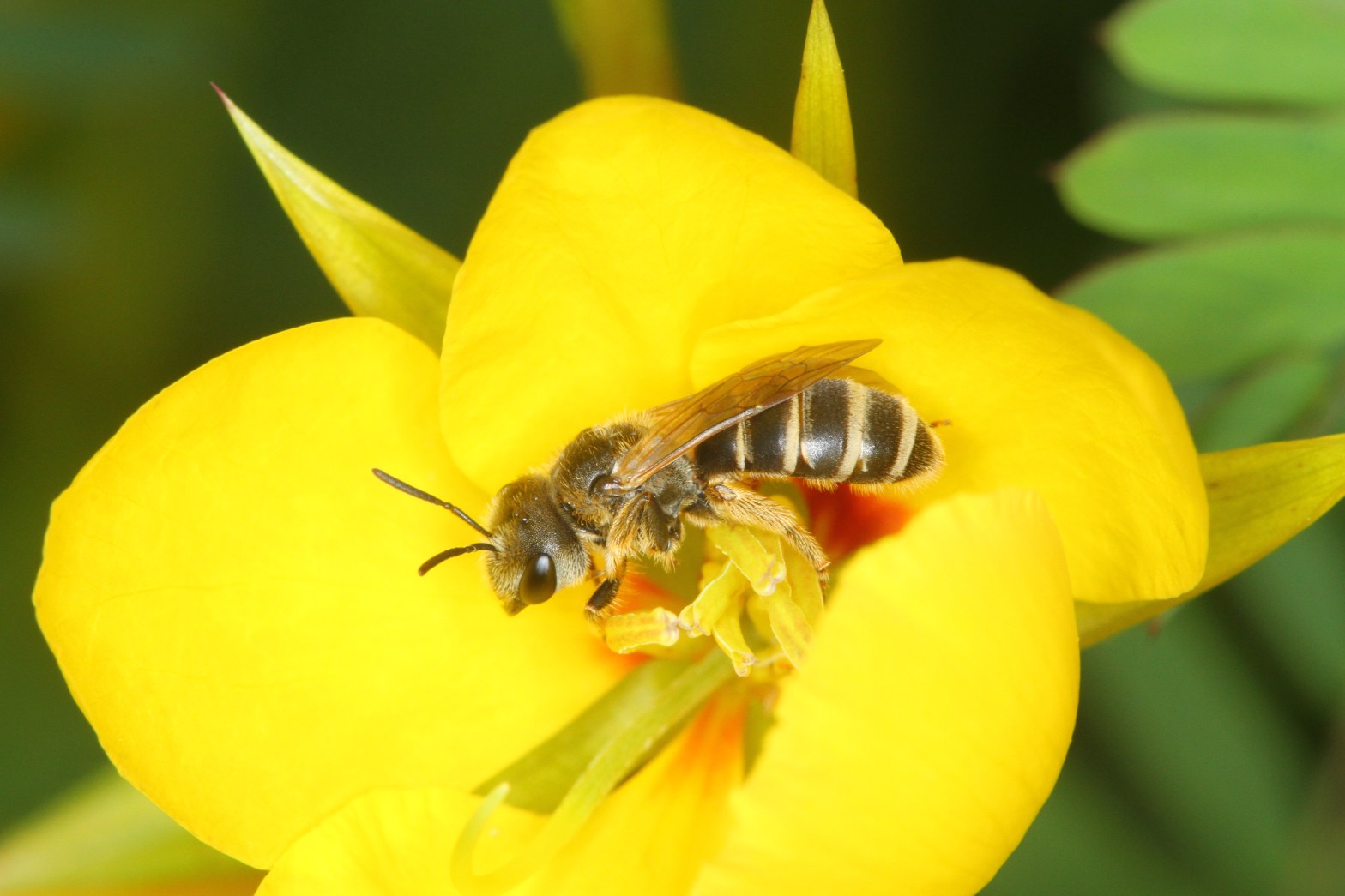
A new study published in the Royal Society’s journal for biological sciences analyzed over 20,000 bee-flower interactions in New Jersey to assess the value of bee diversity in wild plant communities. The researchers found that the number of functionally important bee species increased with the number of plant species in a community. Put more plainly, diverse ecosystems require greater bee diversity.
Bulletin: IPCC report calls for rapid, deep, and immediate emissions reductions
“It’s not too late,” might as well be the subtitle of the third installment of the Intergovernmental Panel on Climate Change (IPCC) Sixth Assessment report, released Monday. But only if the world acts soon.
Bulletin: Russia’s war has chilling effect on climate science as Arctic temperatures soar
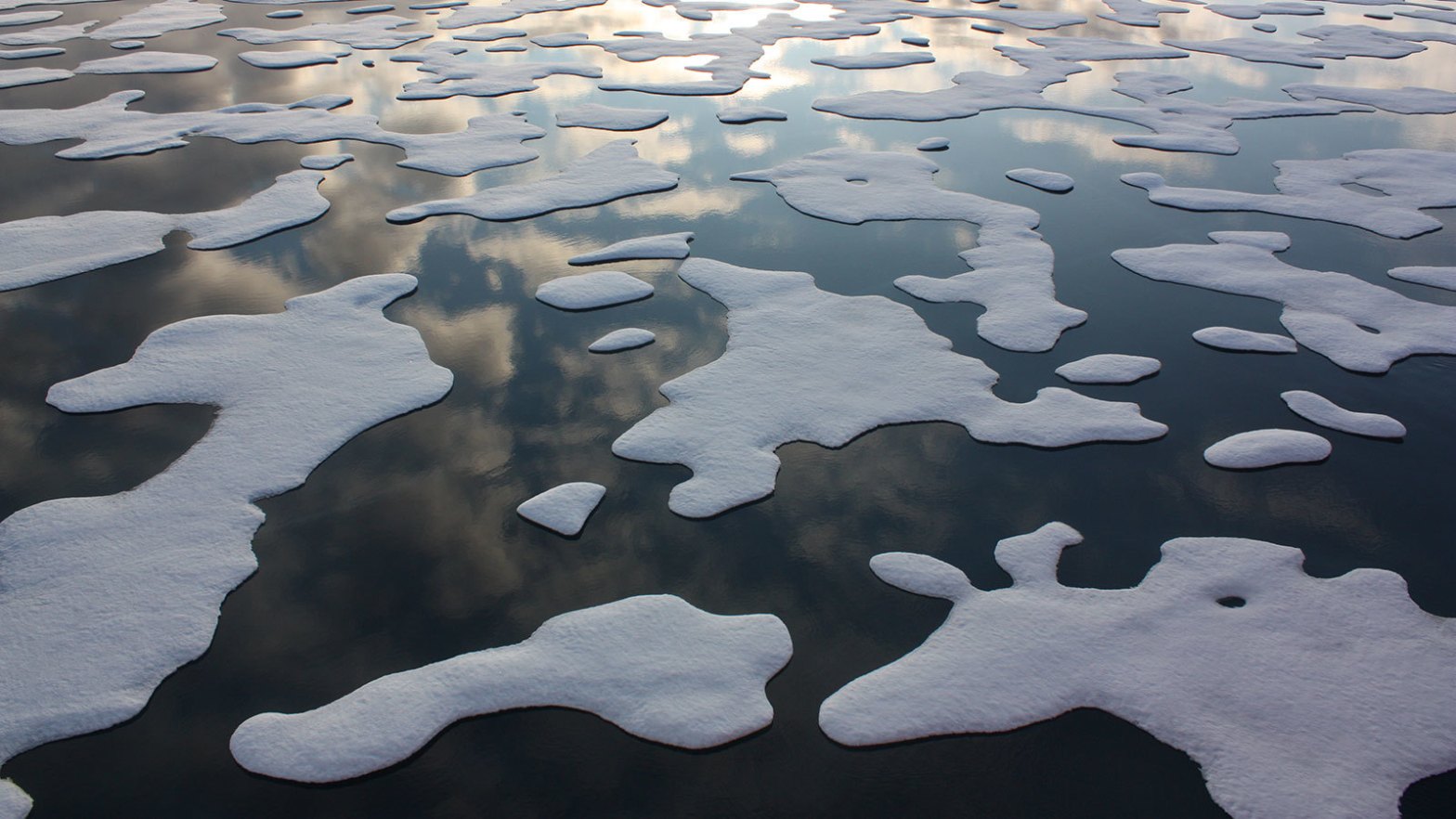
Earlier in March, temperatures around the North Pole approached the melting point, right around the time of year that Arctic sea ice is usually most extensive. In some places, the Arctic was more than 50 degrees Fahrenheit warmer than average. It’s part of an alarming trend; over the past 30 years the region has warmed four times faster than the rest of the globe. The shift is transforming the Arctic land- and seascape, causing sea ice to melt, glaciers and ice sheets to retreat, and permafrost to thaw. And while the Arctic is particularly vulnerable to climate change, it also has an outsized potential to contribute to global warming, as melting permafrost releases carbon dioxide and methane into the atmosphere.
And yet, just when the climate scientists and governments across the eight Arctic states should be working together to understand and address the climate crisis, Russia’s war on Ukraine has forced the Arctic Council, an intergovernmental group of Arctic states and Arctic Indigenous Peoples, to suspend their joint activities in protest of Russia’s unprovoked aggression.
“It’s so crucial for us to not lose sight of accelerating climate change, and to be making as much progress as possible,” Marisol Maddox, a senior arctic analyst at the Polar Institute of the Woodrow Wilson International Center for Scholars in Washington, DC, said. “And Russia’s invasion of Ukraine is creating serious challenges to that within the Arctic context, because of the way that that’s manifested with the pause of the Arctic Council, and all of its subsidiary bodies.”
This article was republished by Undark as part of the Climate Desk collaboration.
 Jessica S. McKenzie