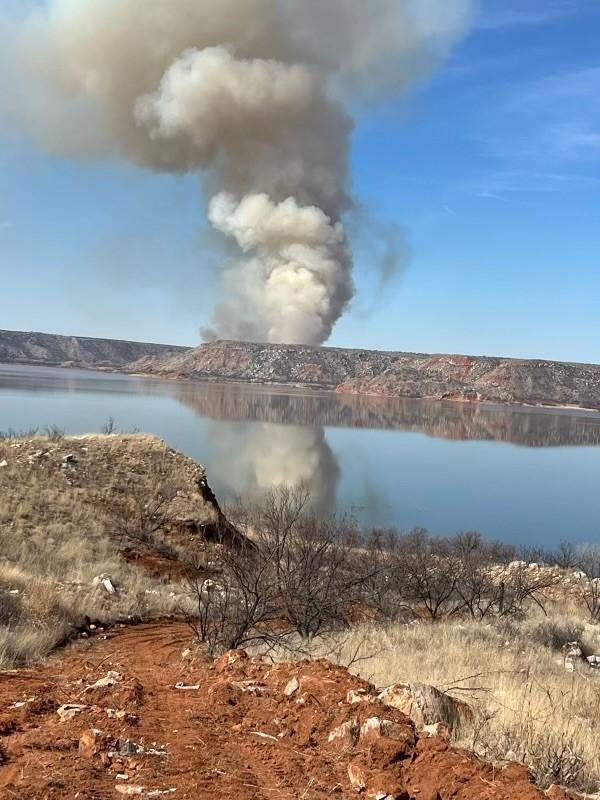
Bulletin: Texas wildfires force major nuclear weapons facility to briefly pause operations

With François Diaz-Maurin.

A wildland fire in the Texas Panhandle forced the Pantex plant, a nuclear facility northeast of Amarillo, to temporarily cease operations on Tuesday and to evacuate nonessential workers. Plant workers also started construction on a fire barrier to protect the plant’s facilities.

The plant resumed normal operations on Wednesday, officials said.

“Thanks to the responsive actions of all Pantexans and the NNSA Production Office in cooperation with the women and men of the Pantex Fire Department and our mutual aid partners from neighboring communities, the fire did not reach or breach the plant’s boundary,” Pantex said in a social media post on Wednesday afternoon.

At a press conference Tuesday evening, Laef Pendergraft, a nuclear safety engineer with the National Nuclear Security Administration production office at Pantex, said the evacuations were out of an “abundance of caution.”

“Currently we are responding to the plant, but there is no fire on our site or on our boundary,” Pendergraft told reporters.

The 90,000-acre Windy Deuce fire burning four to five miles to the north of the Pantex plant was 25 percent contained as of late Wednesday afternoon.

Until the fire is fully contained, it will continue to pose a threat to the nearby Pantex plant, says Nickolas Roth, the senior director of nuclear materials security at the Nuclear Threat Initiative. “I think the sign that the coast is clear is that the fire is no longer burning,” he told the Bulletin. “One can imagine many reasons operations would resume.”
Read more…

Bulletin: ‘Mass delusion and wishful thinking’: Why everything you think you know about methane is probably wrong

Have you heard about the miracle quick-fix for our climate ills?

The greenhouse gas methane is responsible for roughly 30 percent of the increase in global temperature since the industrial revolution and is often described as 80 times more potent than carbon dioxide. Sometimes news outlets remember to qualify that with “over 20 years,” and sometimes they don’t.

In a press call during the 28th Conference of Parties, the annual United Nations climate conference, US Sen. Sheldon Whitehouse of Rhode Island said methane was his “number one” priority at the conference. Shortly after, the Biden administration announced a new EPA rule targeting methane emissions. The press release announcing the rule stated, “Sharp cuts in methane emissions are among the most critical actions the United States can take in the short term to slow the rate of climate change.”

“[T]he U.S. is turbocharging the speed and scale of climate action, at home and abroad, including our collective efforts to tackle super-pollutants like methane,” said US National Climate Advisor Ali Zaidi.

The popular narrative suggests that tackling methane emissions is the “low-hanging fruit” in the climate-solutions toolbox. The belief that turning off the taps on this “super-pollutant” could “buy us time” to address the climate crisis is widespread, shared by politicians, journalists, and even some scientists.

But this is a dangerous fallacy, according to Raymond Pierrehumbert, a professor of physics at the University of Oxford and a member of the Bulletin of the Atomic Scientists Science and Security Board.

In an in-depth interview with Bulletin climate editor Jessica McKenzie, Pierrehumbert dissects the Oil and Gas Decarbonization Charter—the voluntary pledge made at COP28 by some oil and gas companies to slash operational emissions of greenhouse gases, including bringing methane emissions to “near-zero.” He goes on to explain why describing methane as “80 times as potent as carbon dioxide” is inaccurate and misleading and why the widespread hope that sharp cuts to methane emissions will bring about immediate and significant reductions of global temperatures is both wrong and distressing.

Read more…

Bulletin: The saltwater wedge may spare New Orleans, but it’s still a crisis

The climate crisis continues to throw unexpected curveballs at cities and regions around the world, like the saltwater intrusion threatening the drinking water supply of the 1.2 million people in the New Orleans metropolitan area, which prompted President Joe Biden to declare a state emergency.

Earlier this month, the city received some welcome news: The wedge of saltwater that had been steadily advancing from the Gulf of Mexico up the Mississippi River had stalled, staving off a drinking water crisis in the city until late November, at least. A few days later, the wedge had retreated by more than five miles, giving the entire region even more breathing room.

Officials are still tentatively moving forward with emergency plans to safeguard the water supply, if necessary, including building a pipeline to bring in freshwater from further upstream to dilute the salinity of water at the city’s water treatment plants. (It’s unhealthy and eventually fatal for people to drink water above a certain salinity, and desalinating water is extremely expensive.) That pipeline would take up to 45 days to construct and could cost up to an estimated $250 million.

Although the saltwater wedge didn’t make national headlines until it began threatening New Orleans, smaller communities downriver have been without drinking water since June. Even if the city is spared—this year at least—it has revealed some crucial vulnerabilities in the region.

Read more…

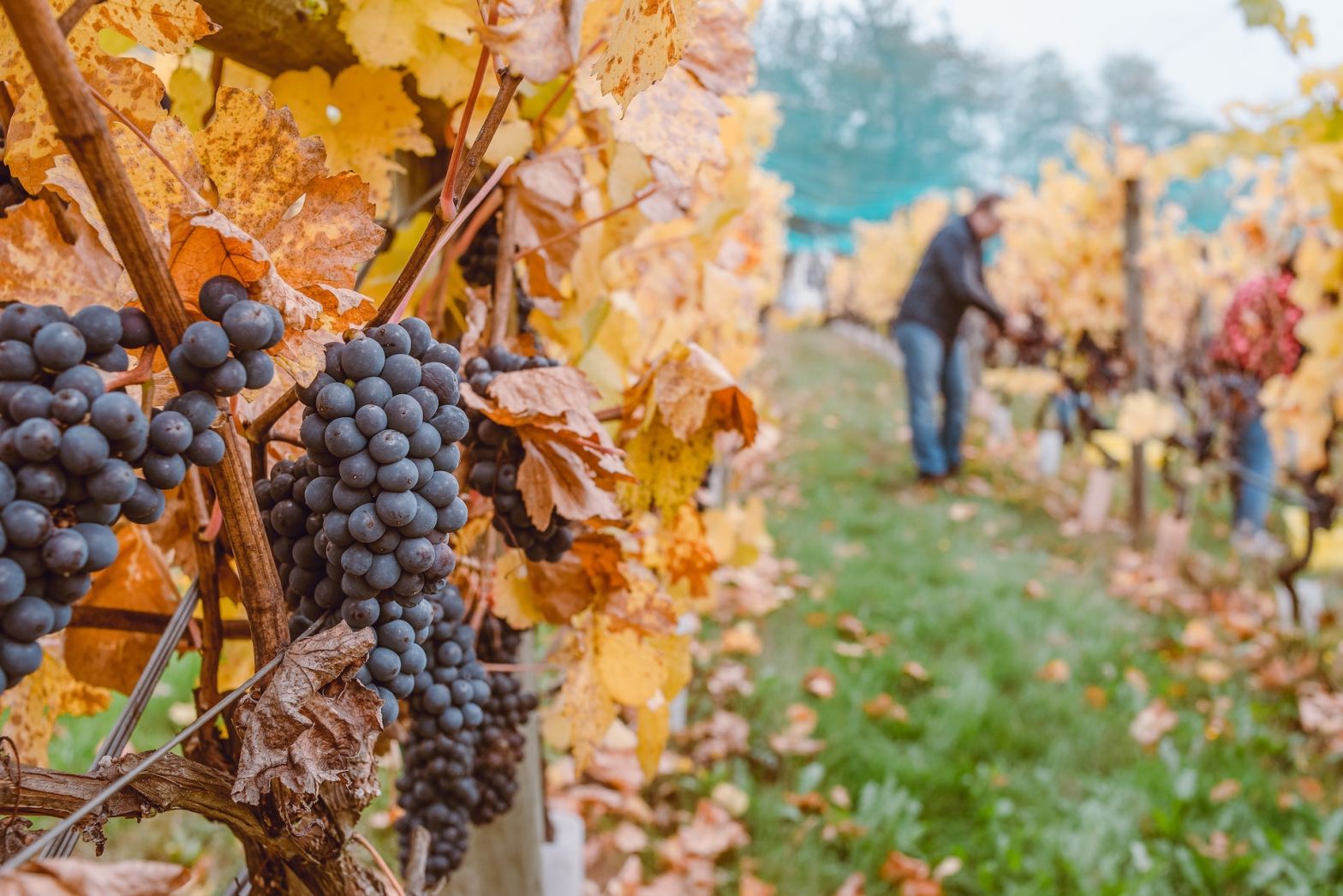
Bulletin: What these endangered wines tell us about climate crisis

“What do you think happened to this wine?”

I turned my attention to the bright cerise liquid in the last of our five glasses. It was lighter than the other two reds on the table. I took a sip, my amateur tongue probing for tasting notes that might reveal what climate trauma these grapes endured. Someone else beat me to it: “Smoke.”

After it was pointed out, I sensed it immediately: a bouquet of barbecue, a soupçon of combustion.

This was the 2020 Cloudline Pinot Noir from Oregon’s Willamette Valley. Oregon’s 2020 wildfire season was one of the most destructive in the state’s history, burning well over a million acres and killing 11 people. Nearly every wine-producing region in the state was impacted by either fire or smoke drift.

Read more…

Bulletin: Wonder in the time of climate crisis

I was prepared to loathe the new nature docuseries from PBS, “Evolution Earth.”

The press release crowed that the series “reveal[s] animals keeping pace with a planet changing at superspeed” and “tells a tale of resilience that redefines our understanding of evolution and hints at how nature can show a path towards a sustainable future for Planet Earth.”

This copy flew in the face of at least one article that recently passed through my inbox, which reported that even African wild dogs, a species adapted to the warm tropics, were suffering from hotter temperatures. Researchers found fewer pups were surviving to adulthood; the time between litters was getting longer; and adult survival was lower after bouts of hot weather. And that’s just one example of a species struggling to adapt to a changing climate. Certainly, the promotional materials made no mention of the ongoing extinction crisis, in which more than one million species are teetering on the brink of nonexistence.

The last thing society needed, I thought, was a feel-good series about how the animals will prevail during the climate and biodiversity crisis, while masking, circumventing, or denying the full extent of the damage humans have wrought on the Earth and its ecosystems.

But “Evolution Earth” walks a precarious tightrope, acknowledging irreversible losses in the same breath as it celebrates the unexpected and, yes, even hopeful adaptations of a few select species around the globe.

Read more…