Bulletin: Murder, mayhem, and minerals: The price of the renewable energy revolution

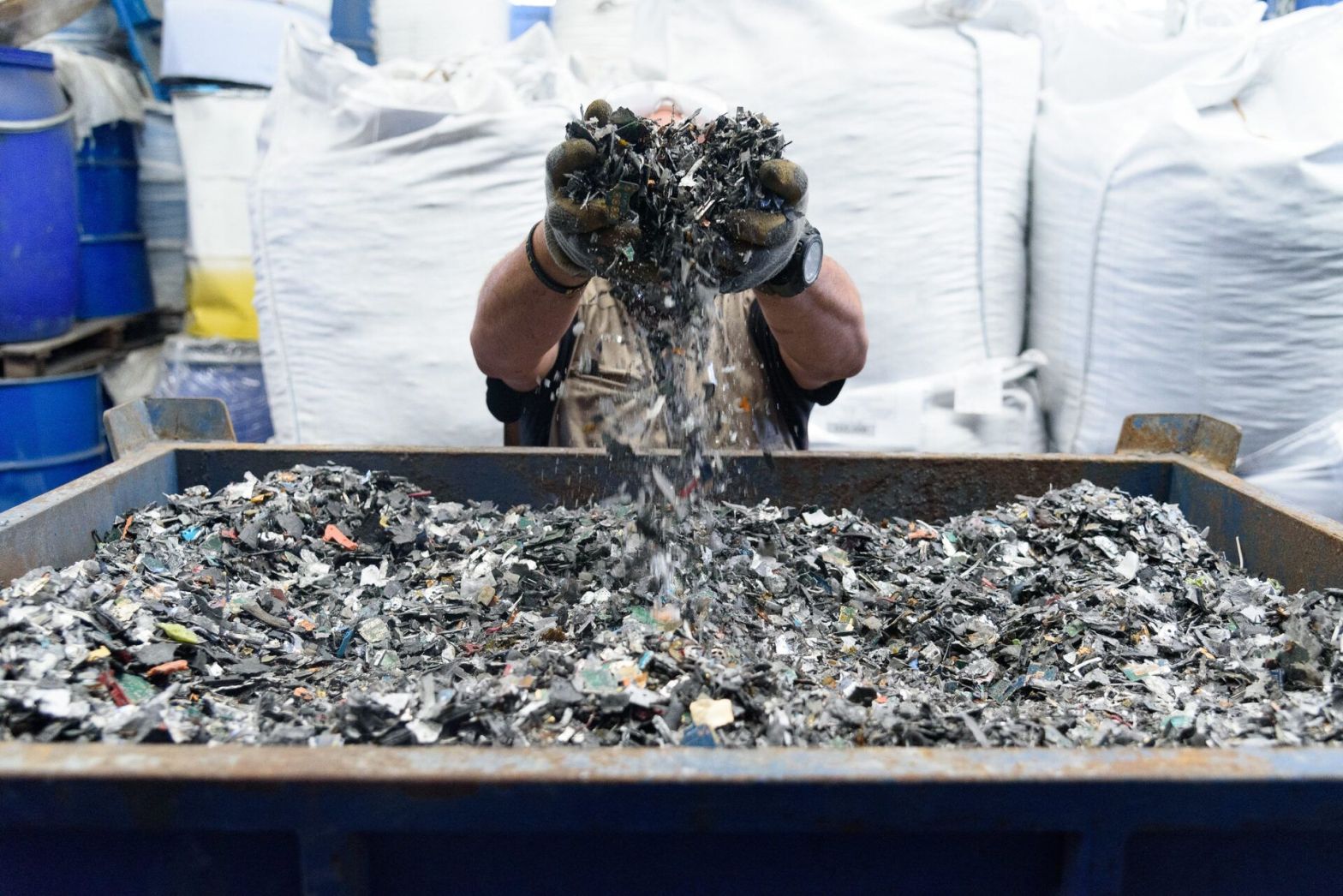
It’s not as if the human and environmental toll of mining is a particularly well-kept secret. But the full extent of the damage from mining for the rare earth elements and other metals that go into electronic devices, electric vehicles, solar panels, and countless additional components of modern life can be hard to wrap one’s mind around—unless the mountain of evidence is laid out end-to-end, as in Vince Beiser’s new book Power Metal: The Race for the Resources That Will Shape the Future. The book begins with an overview of what Beiser calls “critical metals,” where they come from, and the history of their discovery and extraction, before moving on to the current state of mining and processing critical metals today.

Demand for these substances has soared in the Information Age and is projected to keep climbing. (One factoid that stood out: “Just one Tesla Model S can contain as much lithium as ten thousand mobile phones.”) The environmental damage caused by the production of critical metals is continuing to mount—and could grow in unexpected ways if, for example, companies begin mining the sea floor.

Still, humans need these substances, especially for the renewable energy technologies needed to stem climate change. There is no Cinderella-shoe solution. There are always trade-offs. As Beiser writes, “When it comes to mining, the choice is never between bad and good but only bad and less bad.”

Beiser’s question is, in the end, how can the world mine better? How can the damage—to people, to places—be minimized? He also examines the various ways to limit mining by increasing recycling (itself a dirty and dangerous business that could stand to be improved) and reducing demand for metals in the first place.
Read more…

What Will It Take for Geothermal To Heat Up the Renewable Energy Sector?

Geothermal energy’s potential contribution to reducing greenhouse gas emissions is enormous. Just 0.1 percent of the Earth’s heat could provide enough energy to power the world for two million years. And every gigawatt of energy from geothermal resources offsets approximately 380 metric tons of carbon dioxide emissions.

Yet geothermal energy is responsible for less than 1% of the total electricity generation in the United States.

So why has it been so slow to tap into this vast and essentially inexhaustible resource? And how might that soon change?

Read more…

Bulletin: Battle over geothermal project pits tiny toad against renewable energy

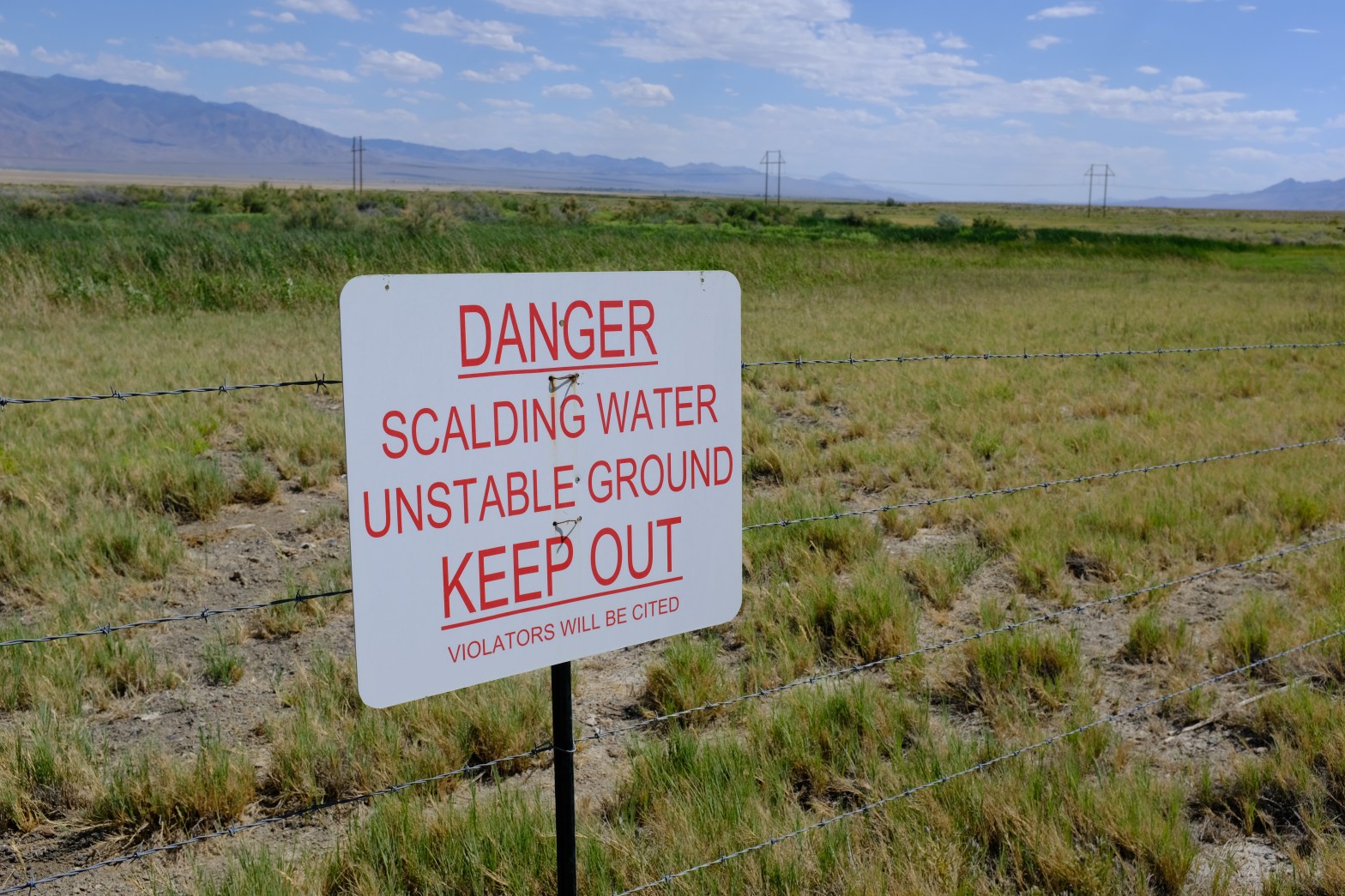
Dixie Meadows is a smudge of vibrant green in an otherwise muted pink and tan landscape. To travel there from Fallon, Nevada, the nearest city, one must first drive 40 miles east on US Route 50, a stretch of highway known as the “loneliest road in America,” and then another 40 miles north on a gravel road into Dixie Valley, a low-lying plain between the Stillwater Range and the Clan Alpine Mountains. Desert shrubs extend as far as the eye can see, until a shimmer of water appears on the horizon—the first sign of a desert oasis. Fed by a series of over 100 seeps and springs, these 760 lush acres at the foot of the Stillwater mountains encompass the entire global range of the endangered Dixie Valley toad. They are also a “surface expression,” as geologists put it, of an as-yet untapped geothermal energy source.

Wearing a straw cowboy hat and using a wooden staff as a walking stick, Patrick Donnelly leads the way into Dixie Meadows’ shoulder-high reeds, where we hope to find the smallest of the western toads. As the Great Basin director of the Center for Biological Diversity, Donnelly campaigned to get the Dixie Valley toad listed as endangered, which the Fish and Wildlife Service did in April on an emergency basis for only the second time in the past 20 years. Donnelly has also worked tirelessly to halt the progress of the largest threat to the Dixie Valley toad and the green oasis it calls home: the Dixie Meadows Geothermal Project. Donnelly is concerned that if the geothermal project proceeds as planned, it will disturb or even dry up the series of hot springs that have created this verdant oasis.

Read more…

The geothermal moonshot

Many experts believe the future of geothermal energy lies in enhanced geothermal systems, which lack some of the natural characteristics needed to produce electricity from the Earth’s heat but may be used as geothermal energy sources with the right human interventions. Proper development of enhanced systems would drastically expand the potential for geothermal energy’s role in the US energy system.

Read more…

Bulletin: Casino gambles on geothermal—and wins big

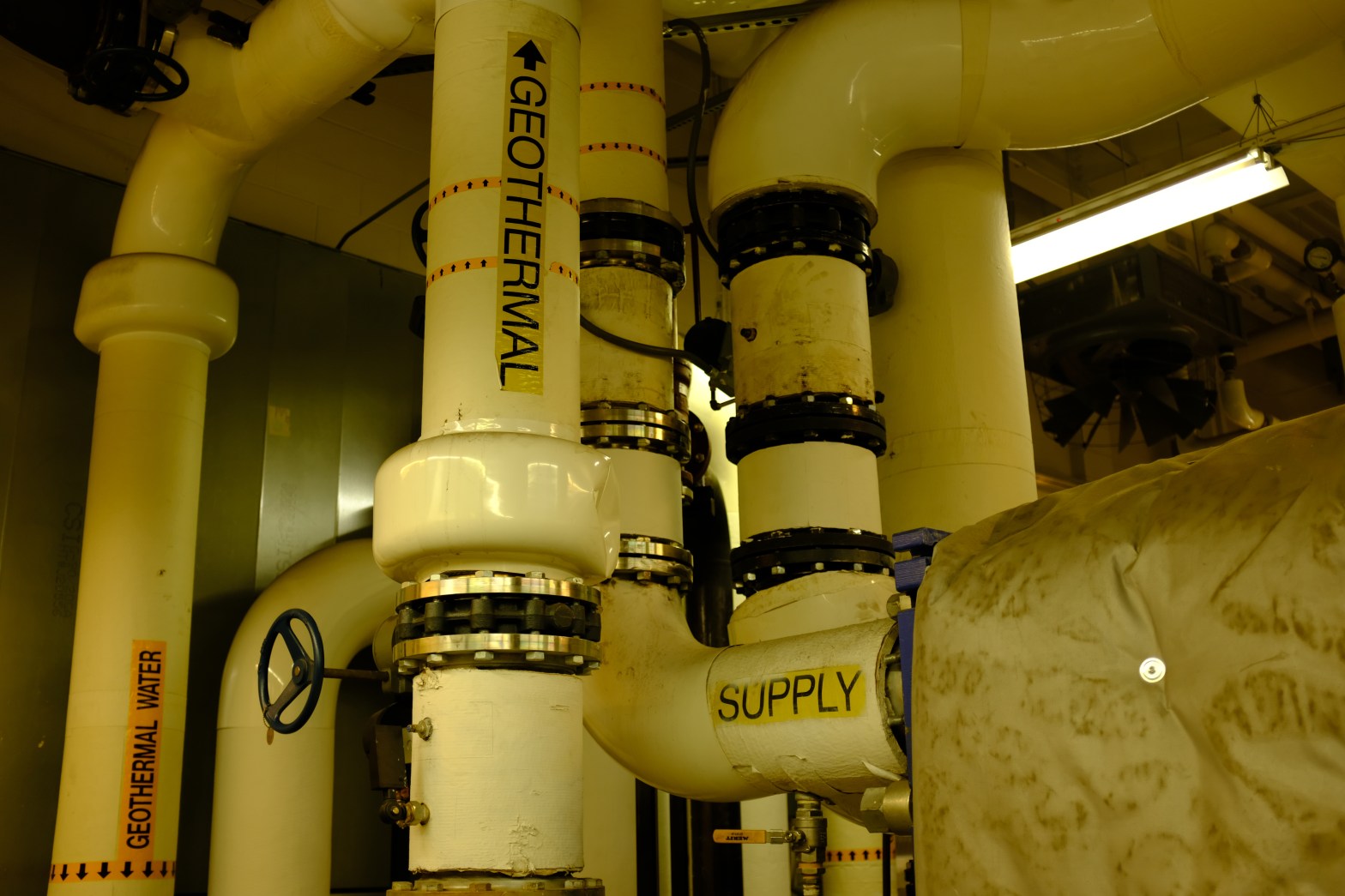
Using geothermal fluid in heating and cooling systems can help big institutions, like universities, city governments, and even upscale resorts save money and reduce their carbon footprint. The geothermal system at the Peppermill Reno Resort paid for itself in three years, two years faster than expected.

Read more…