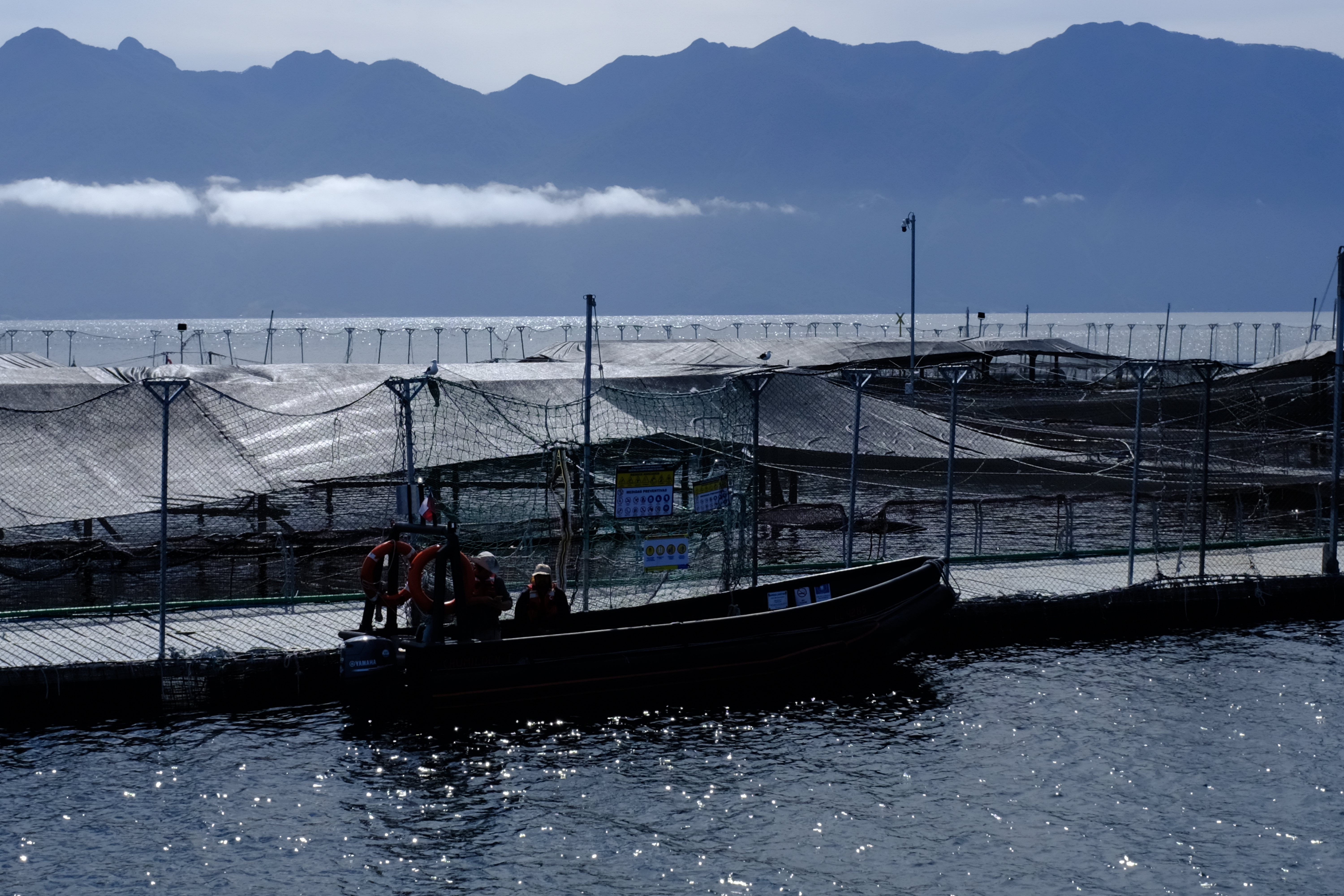
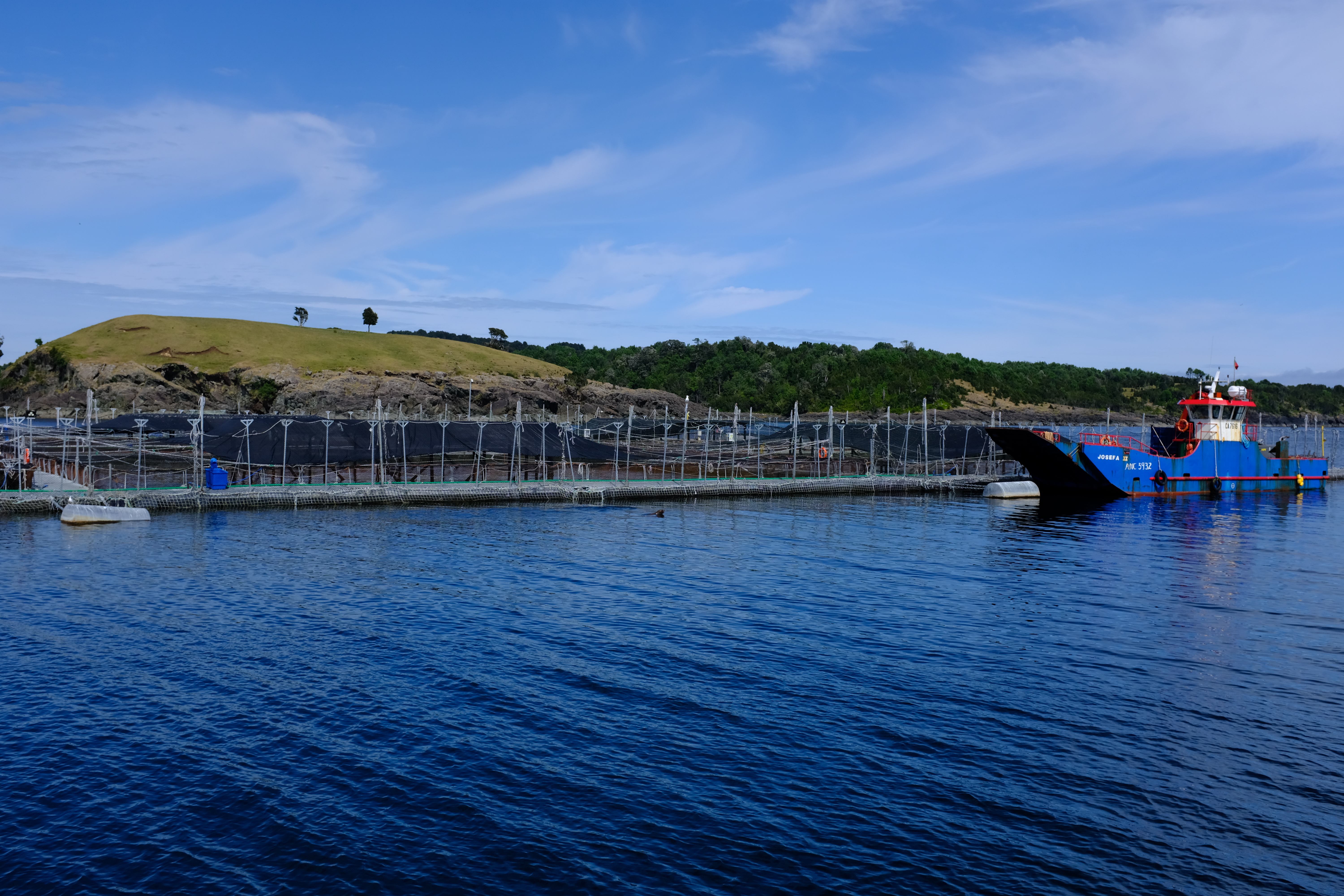
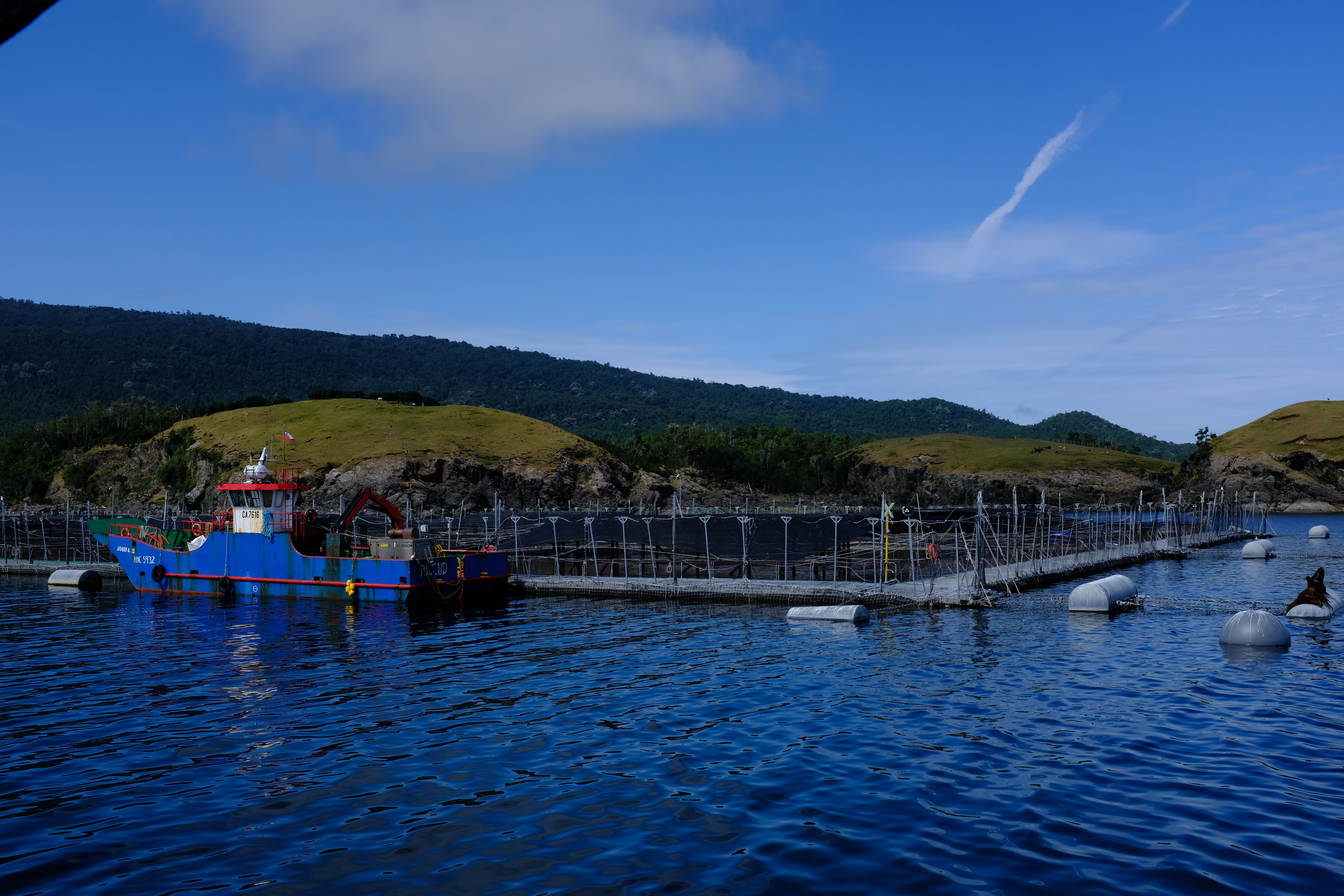
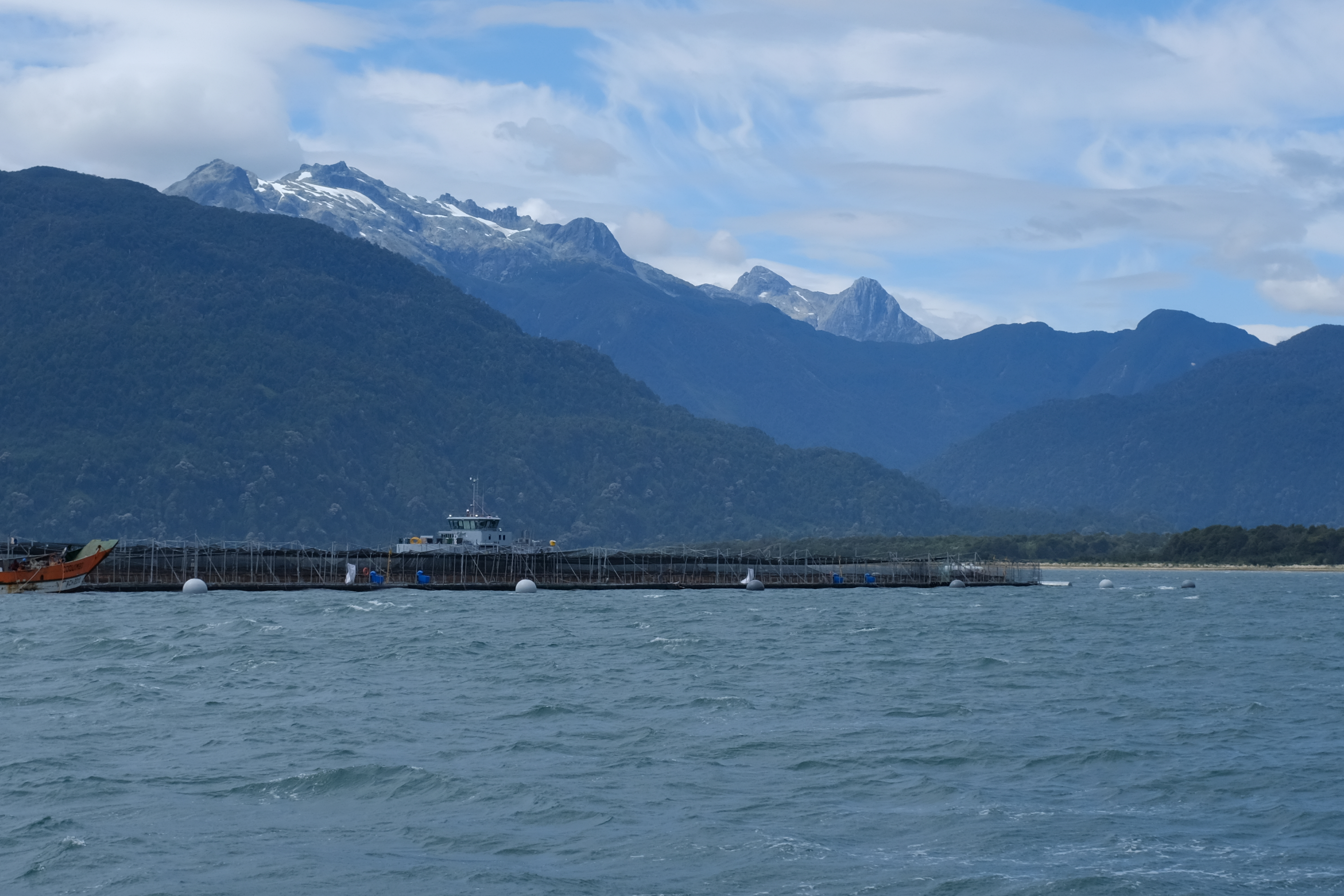
Photos: The environmental hazards of farming fish in a warming world

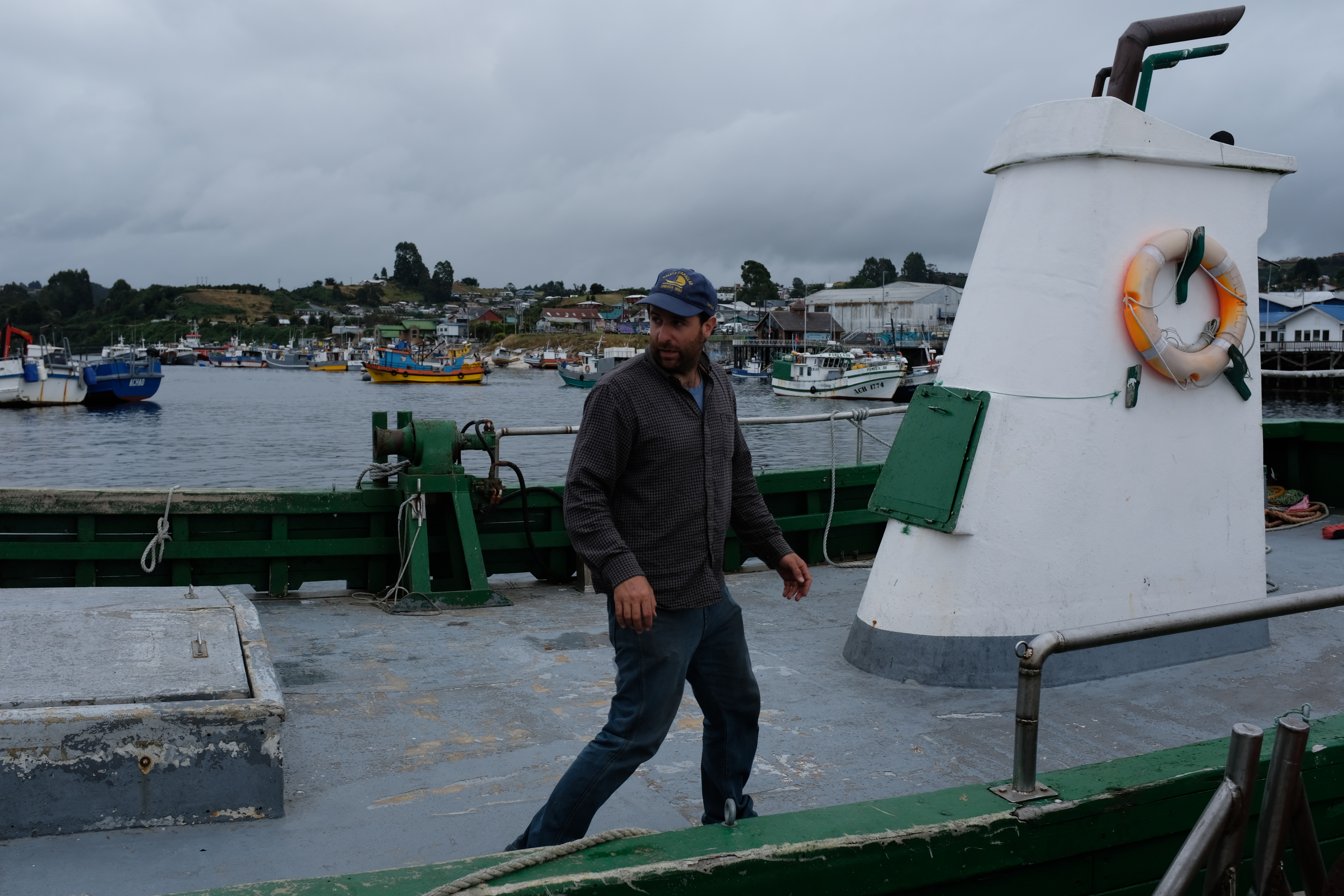
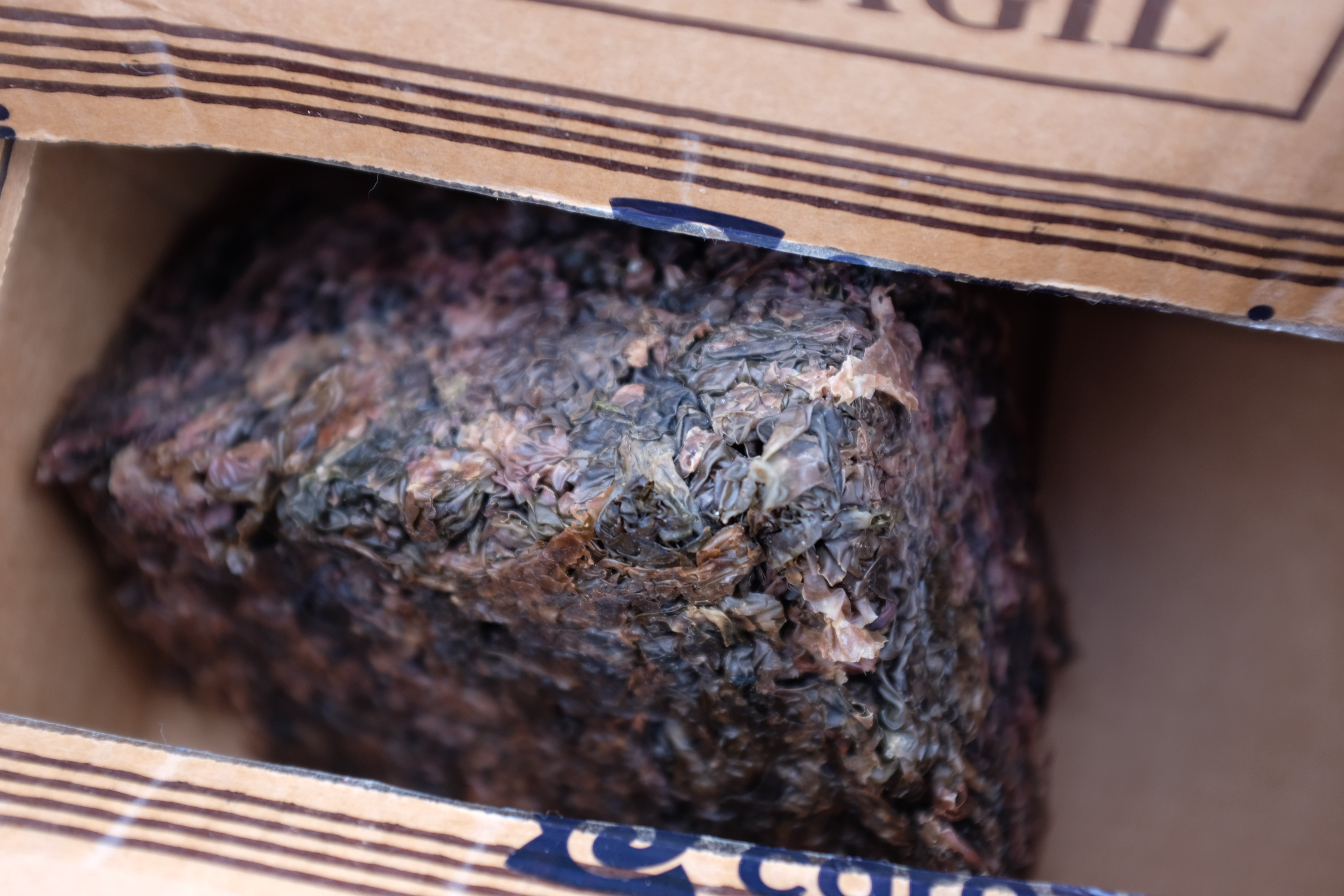
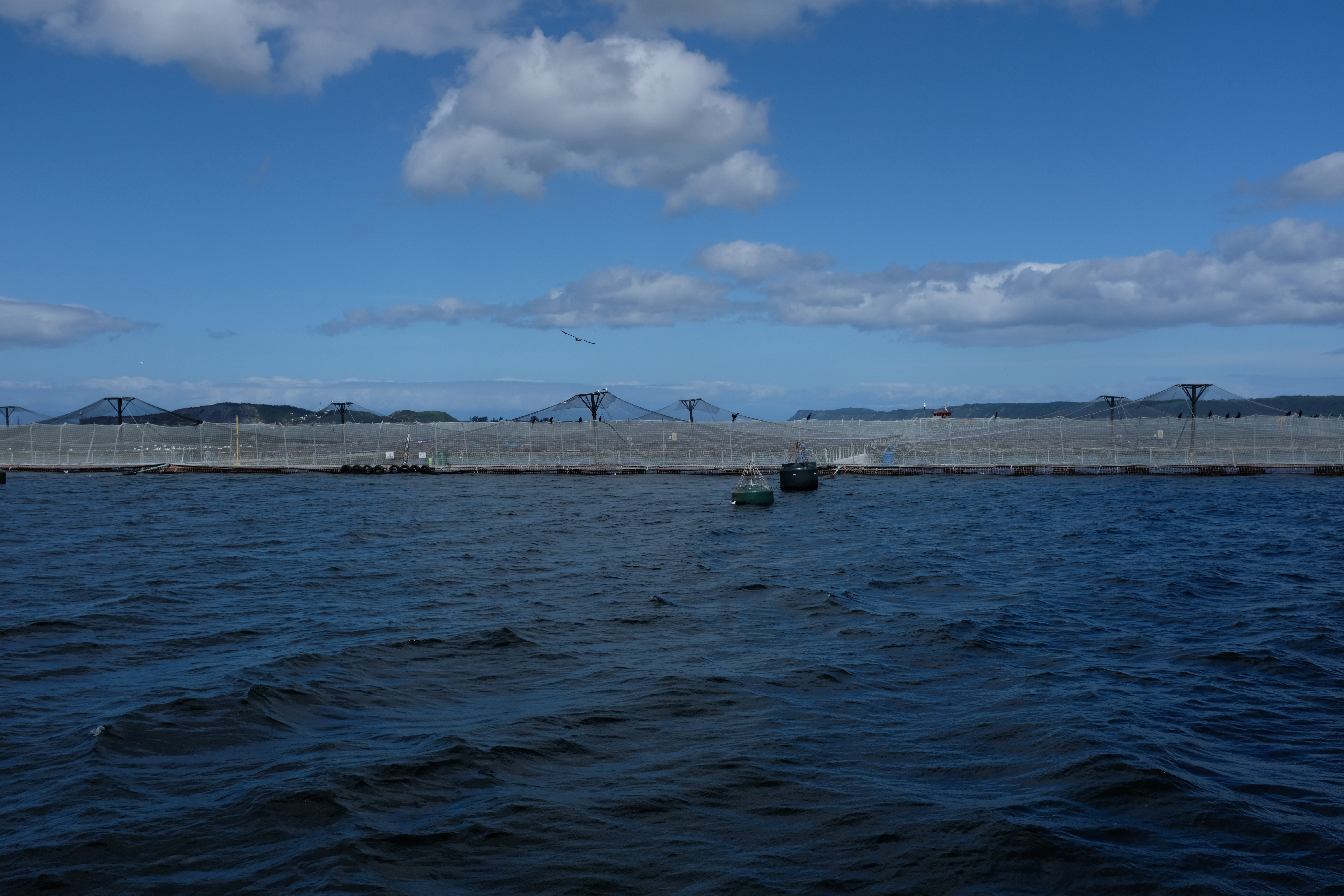
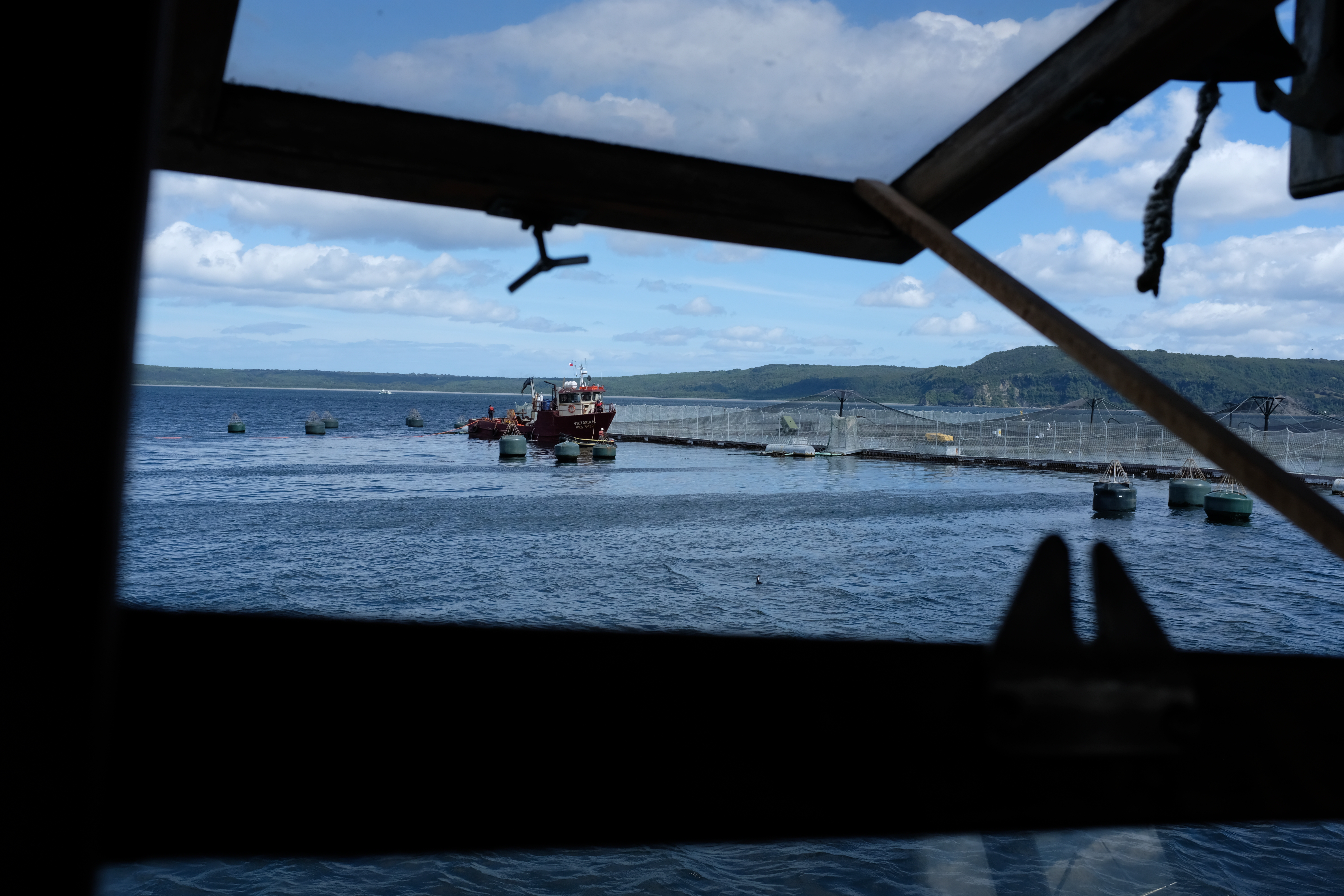
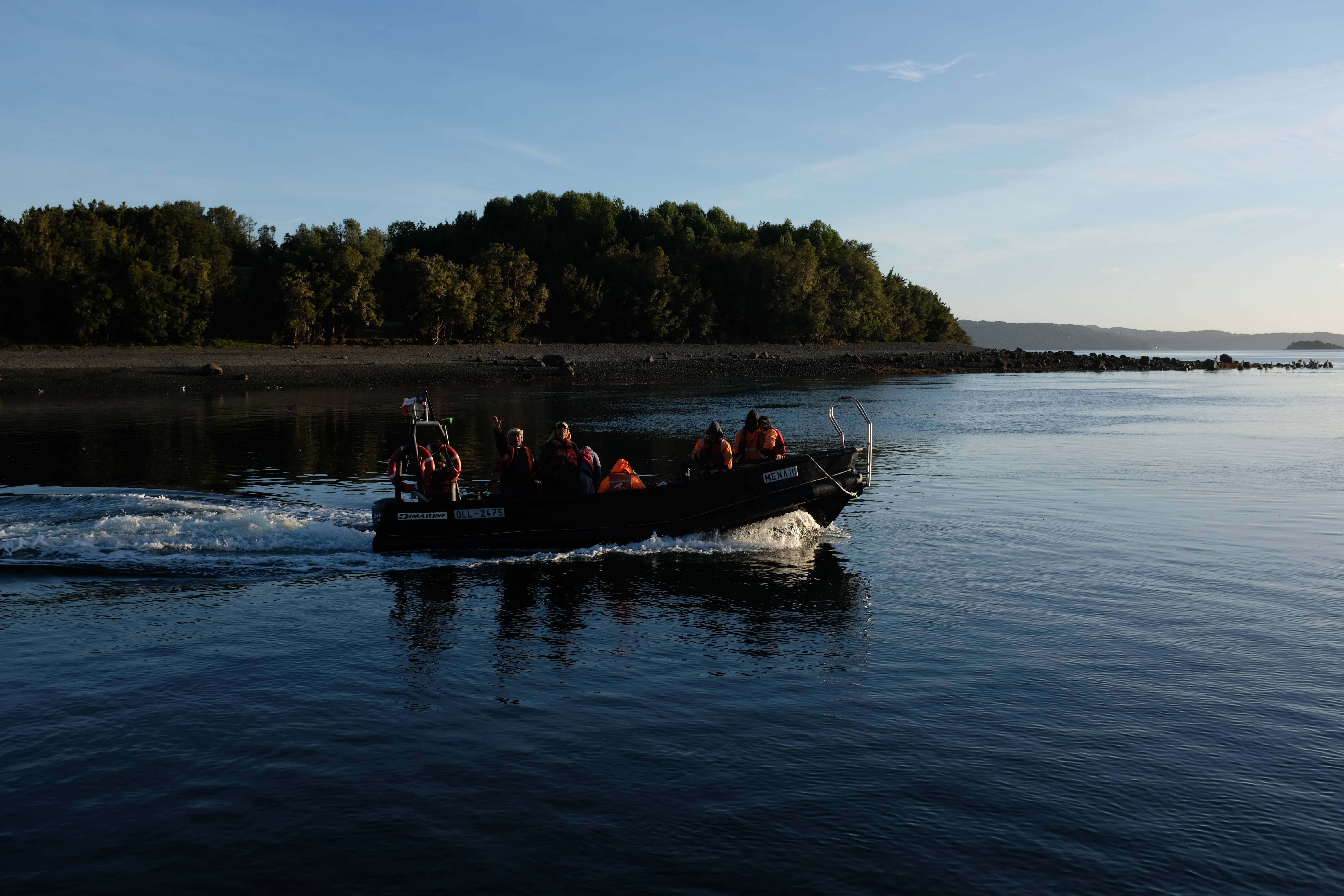
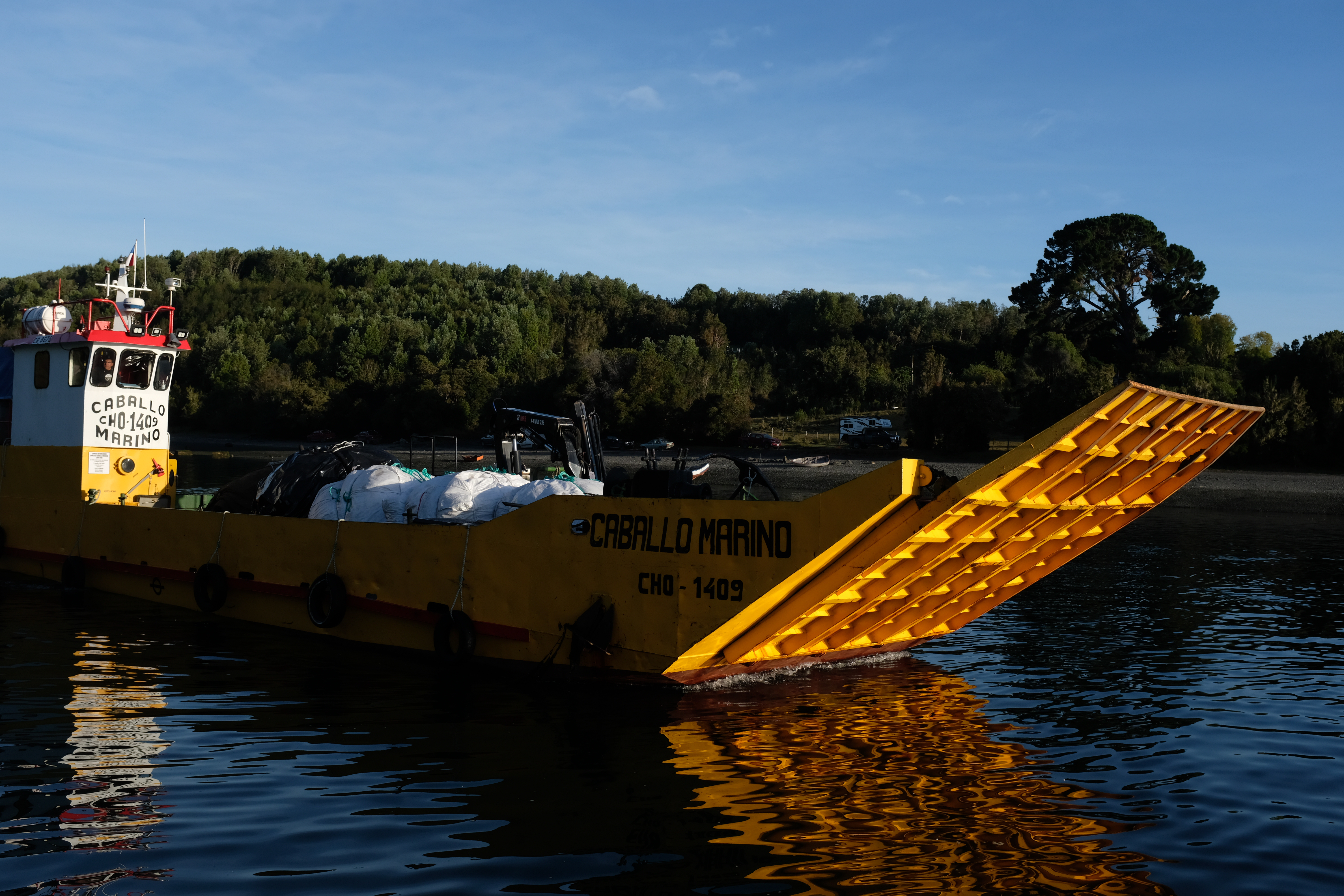
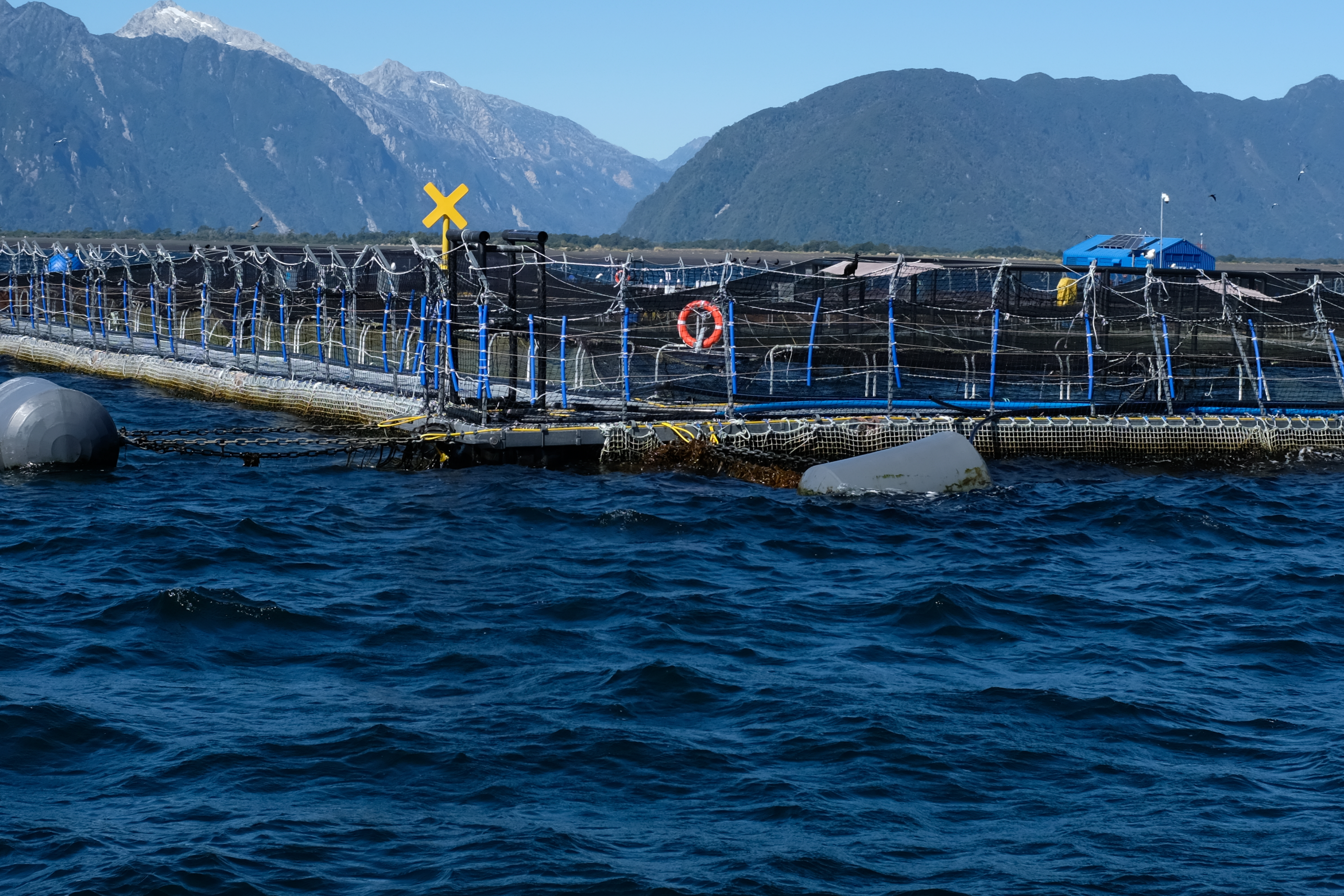
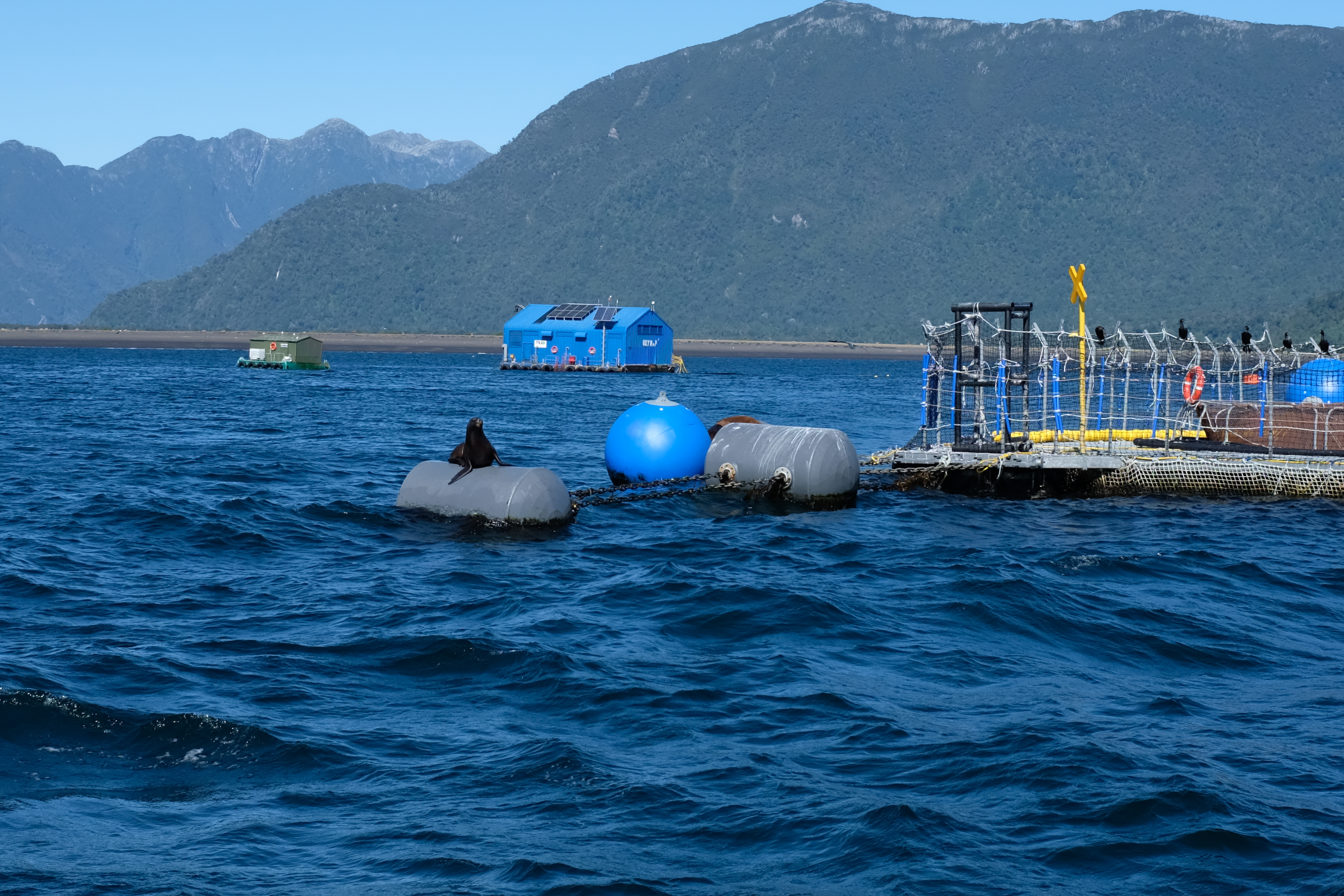
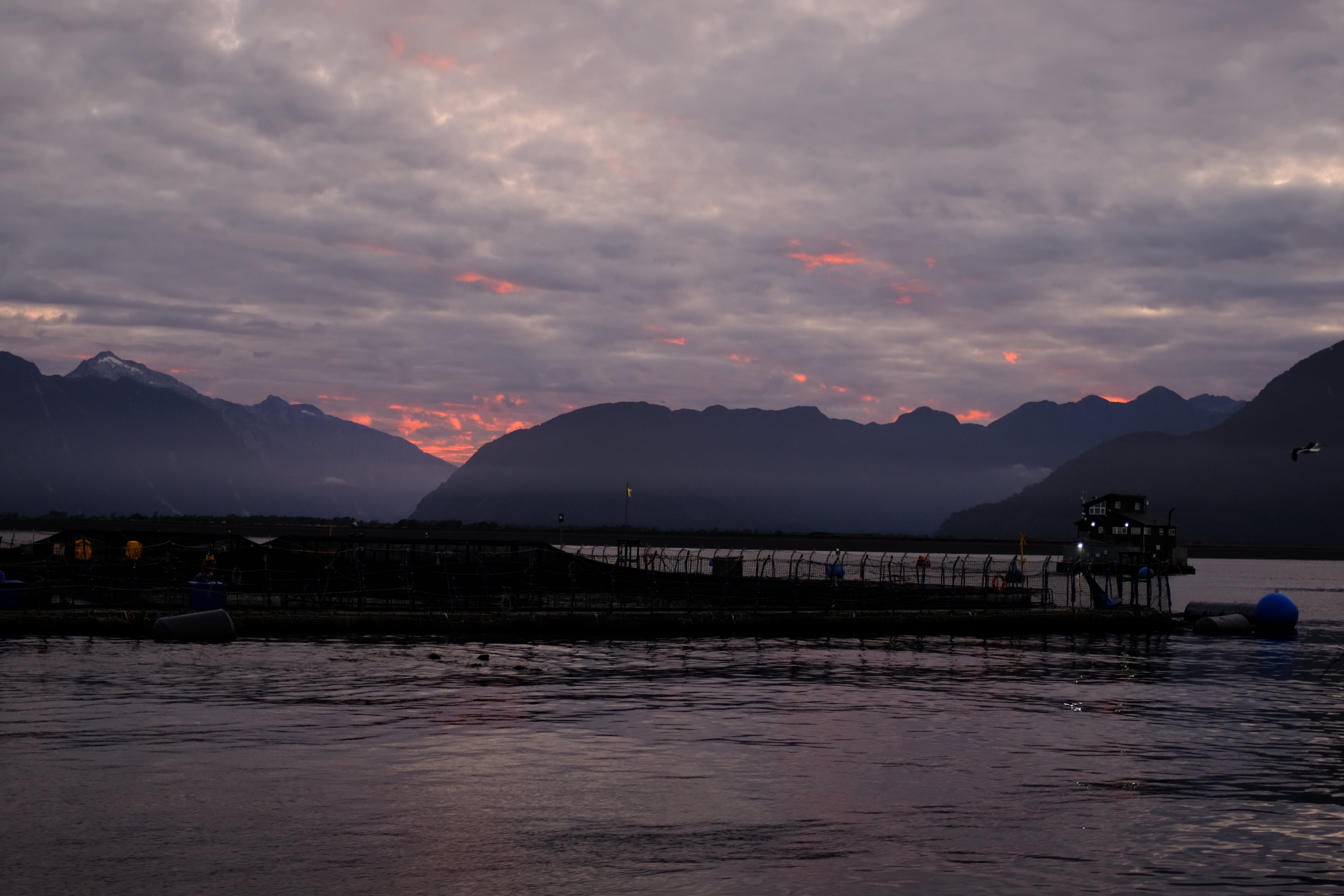
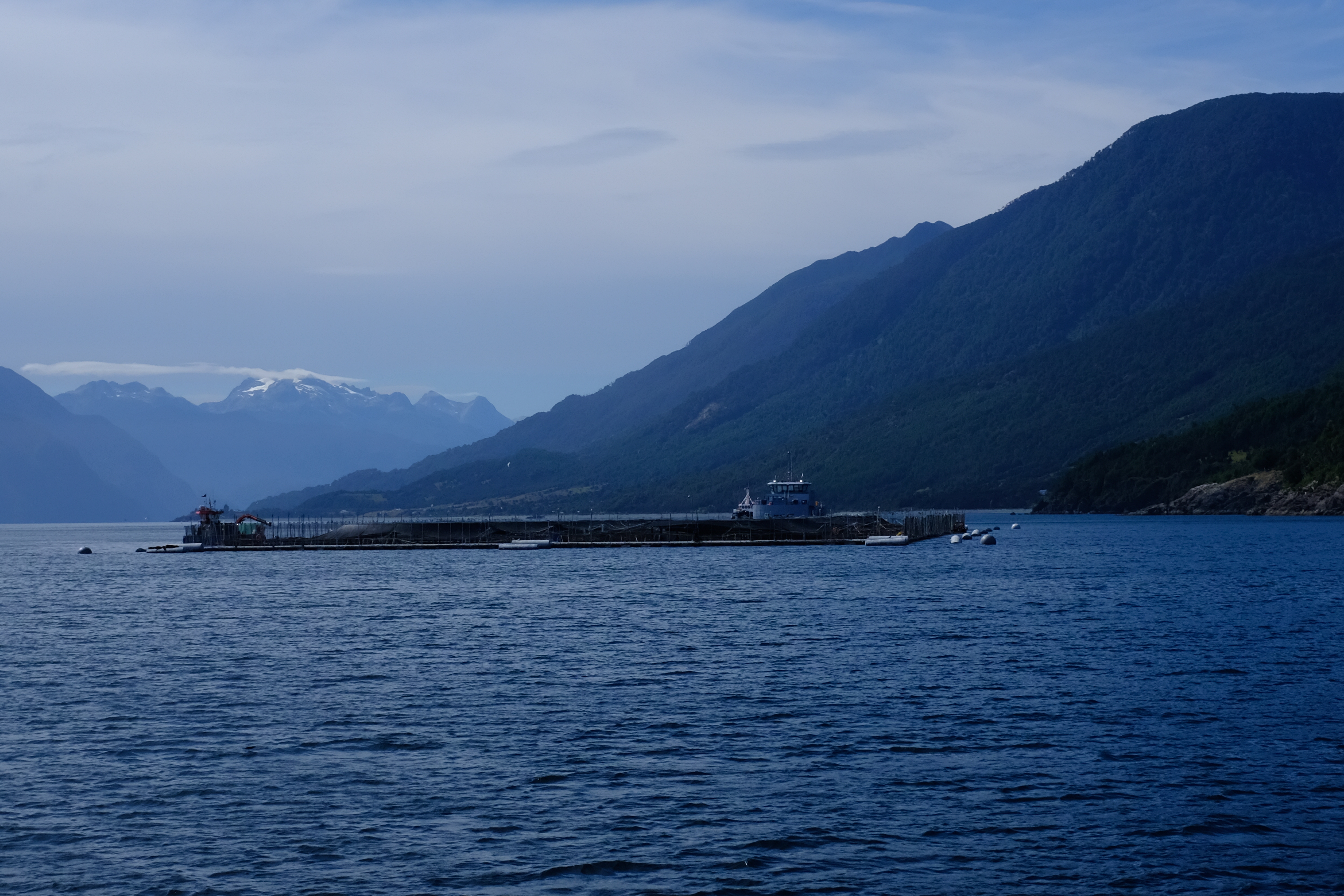
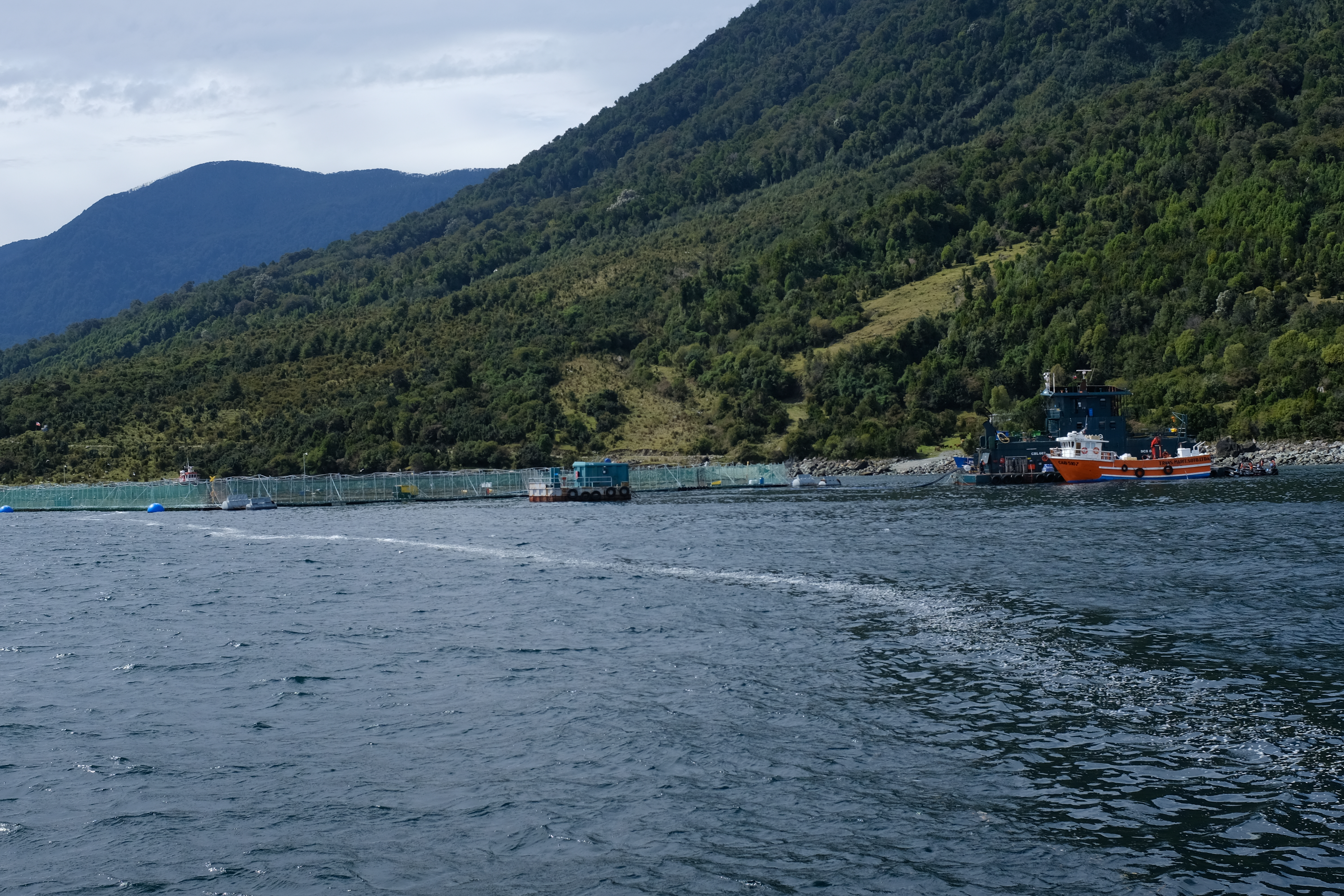
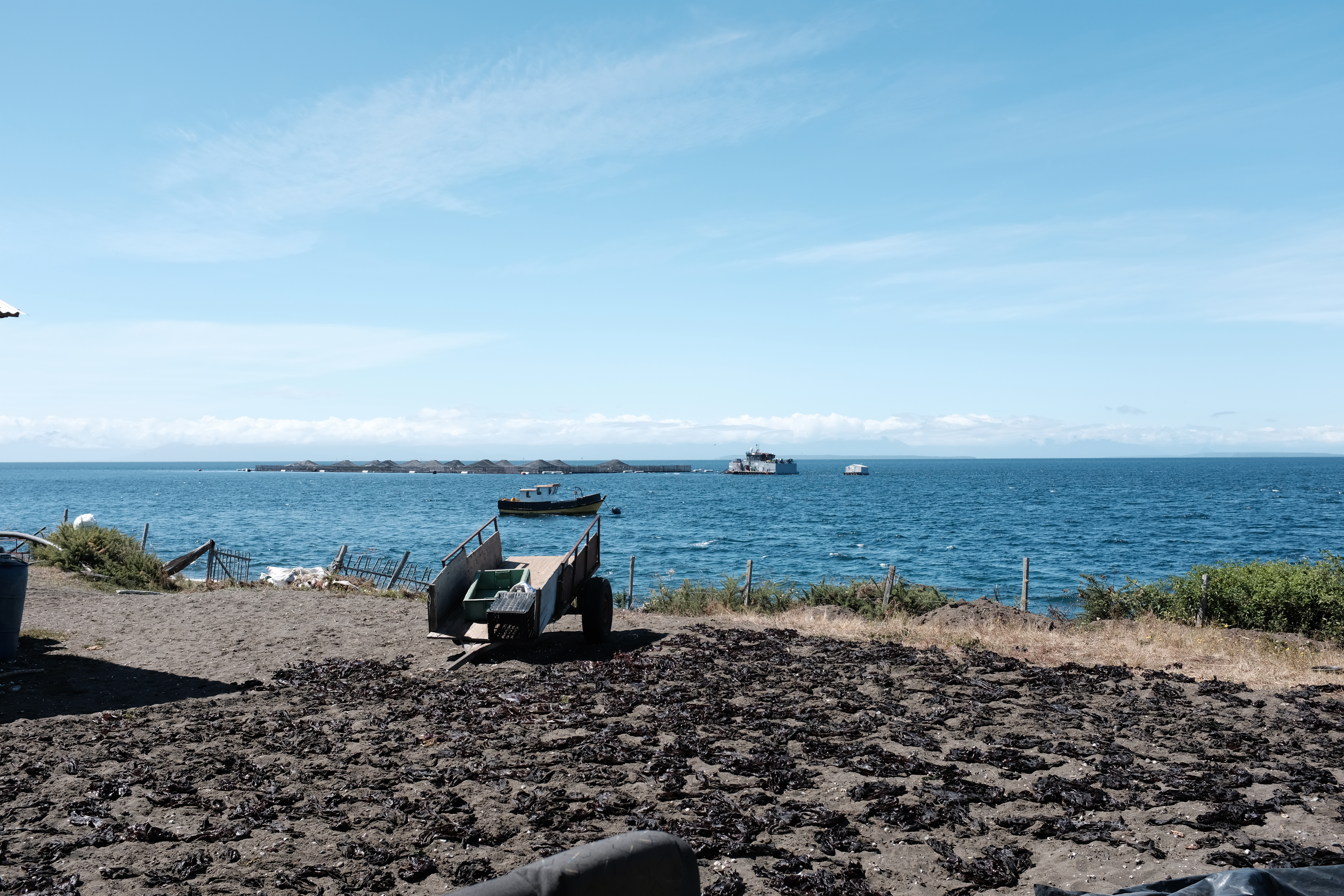
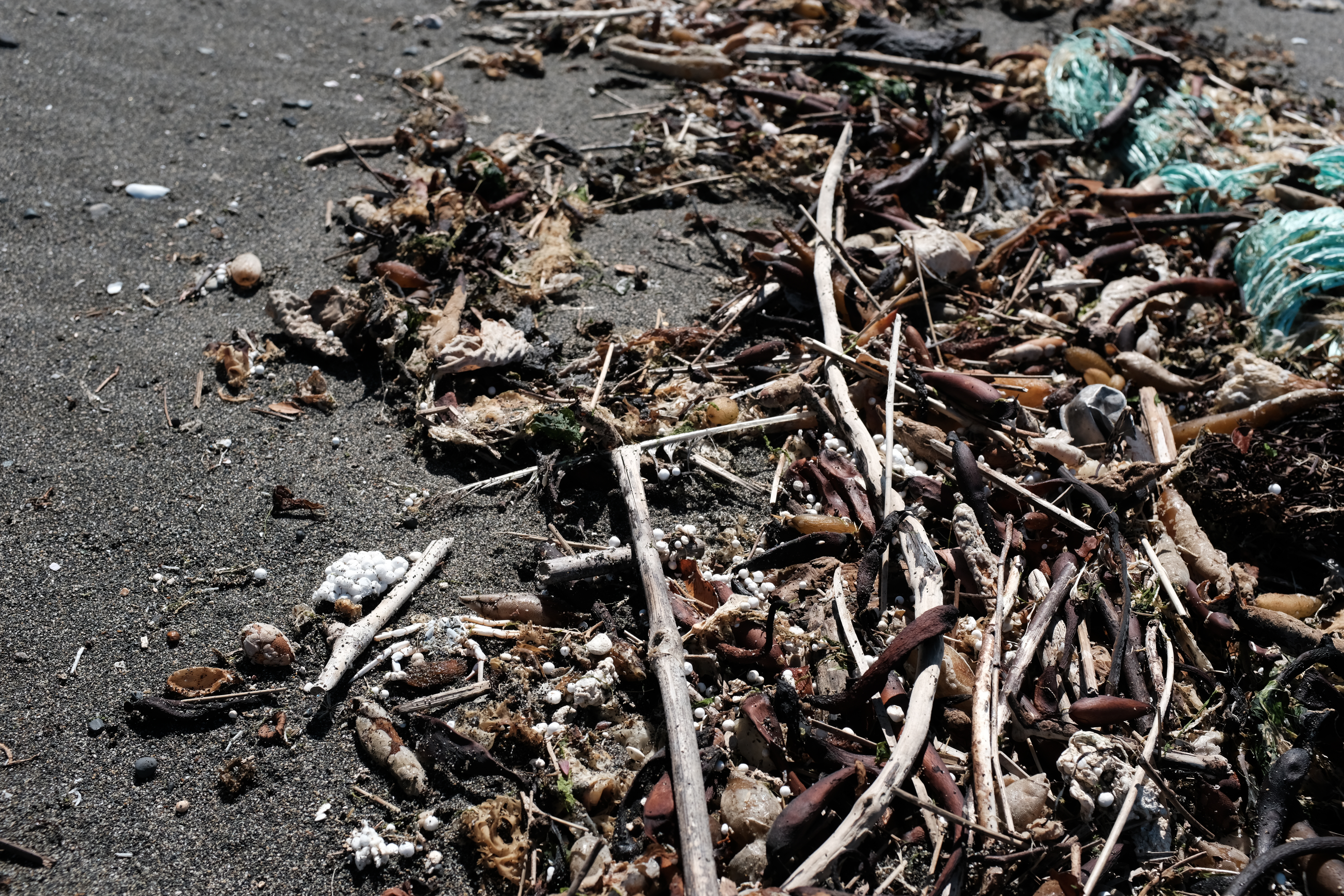
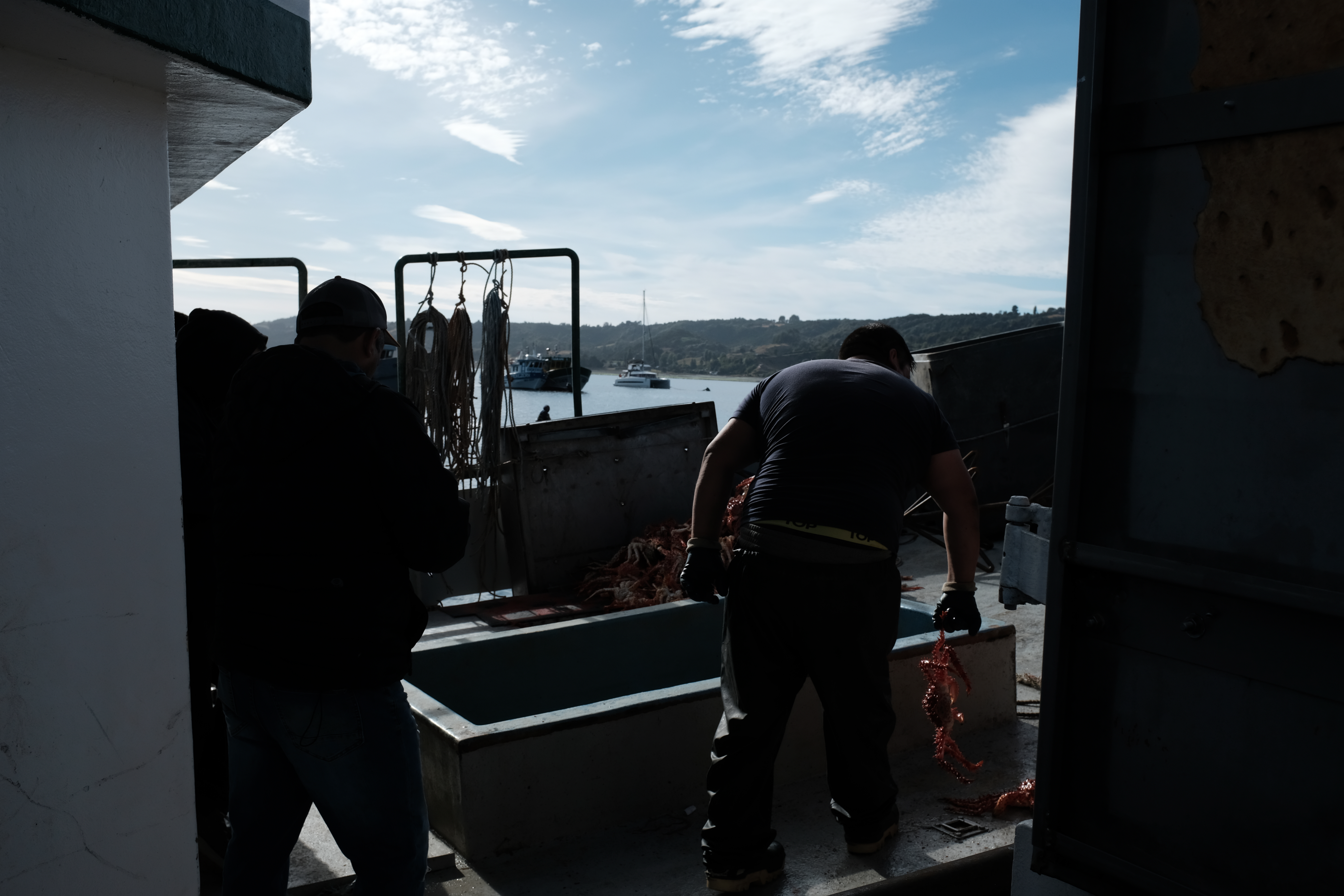
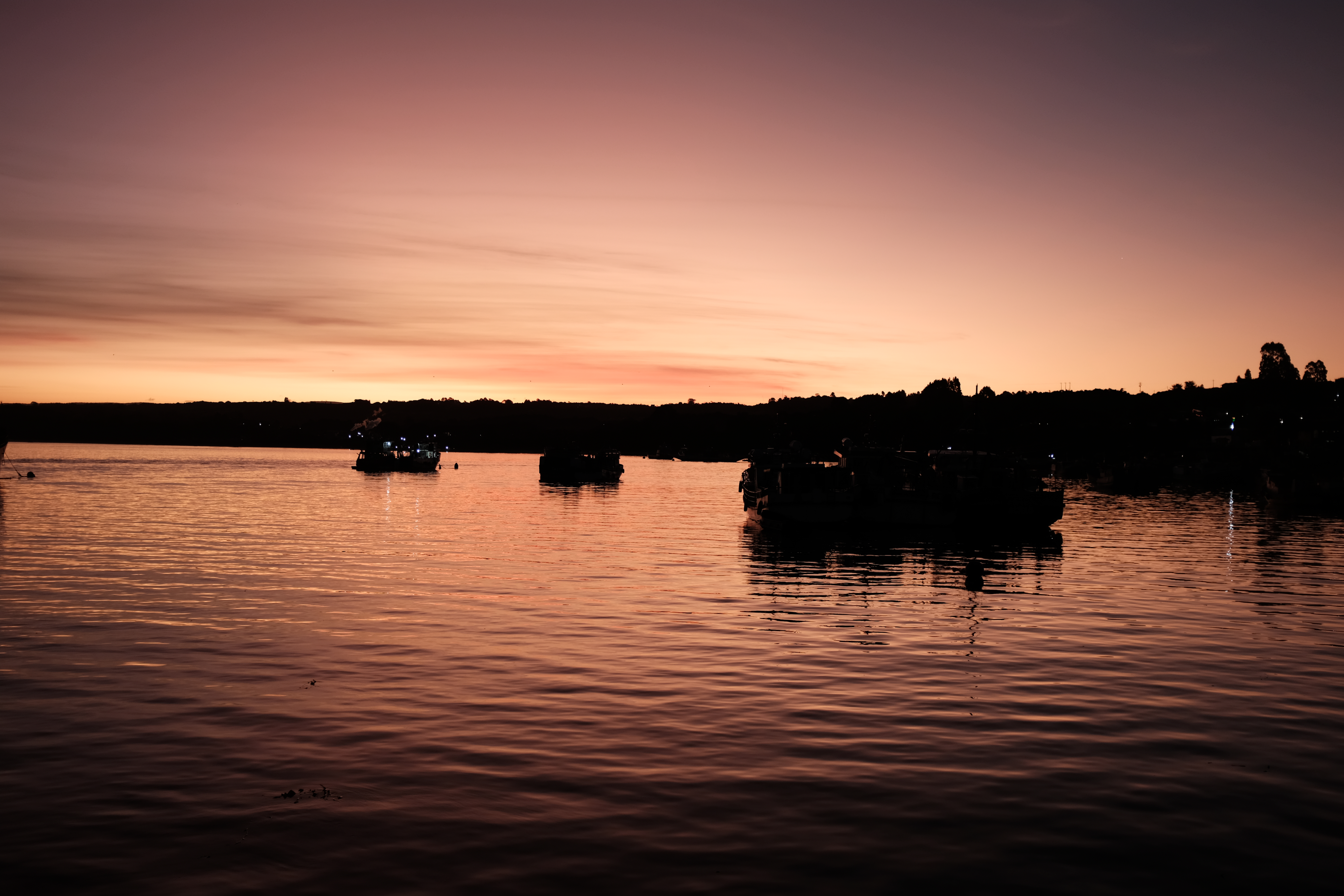
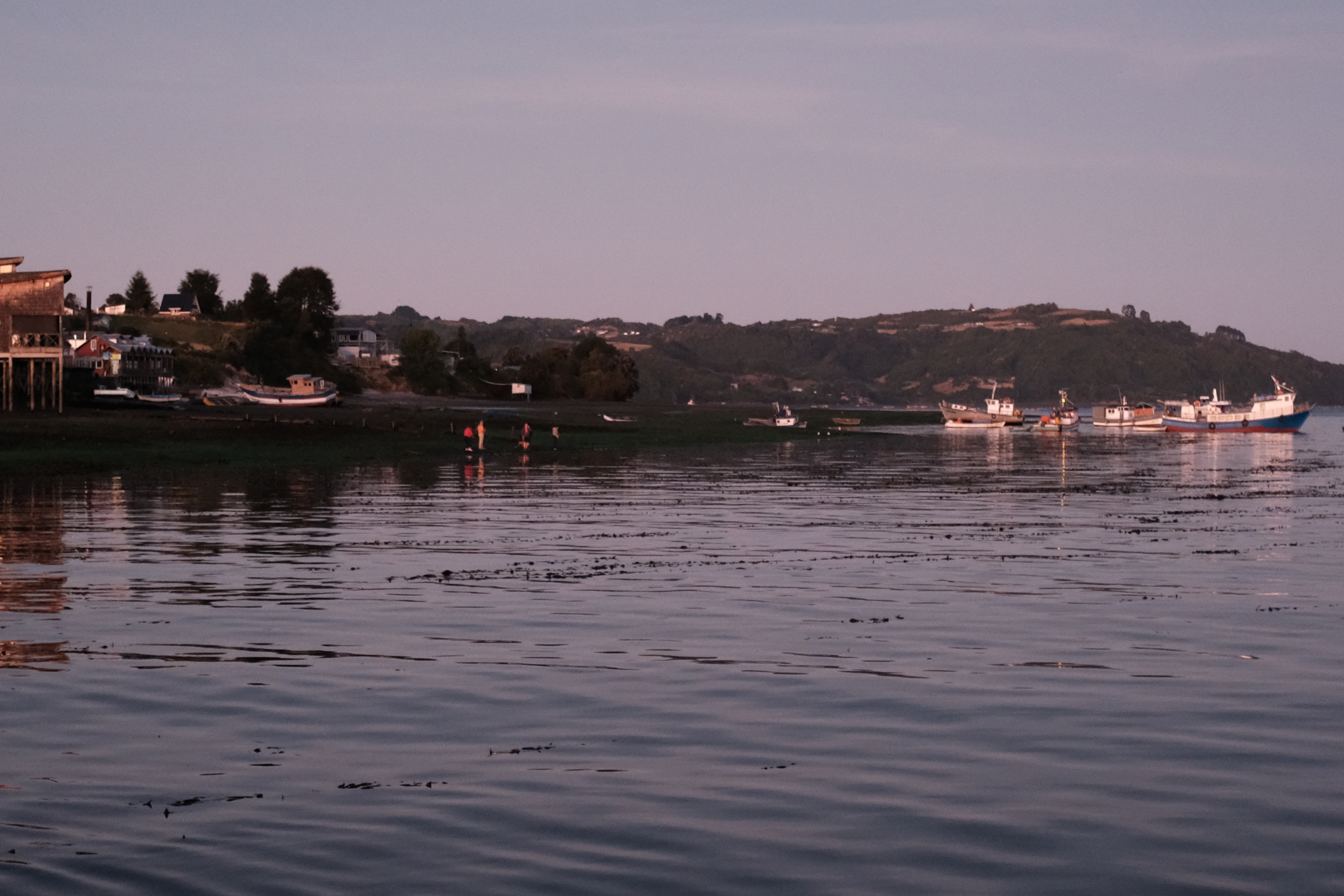
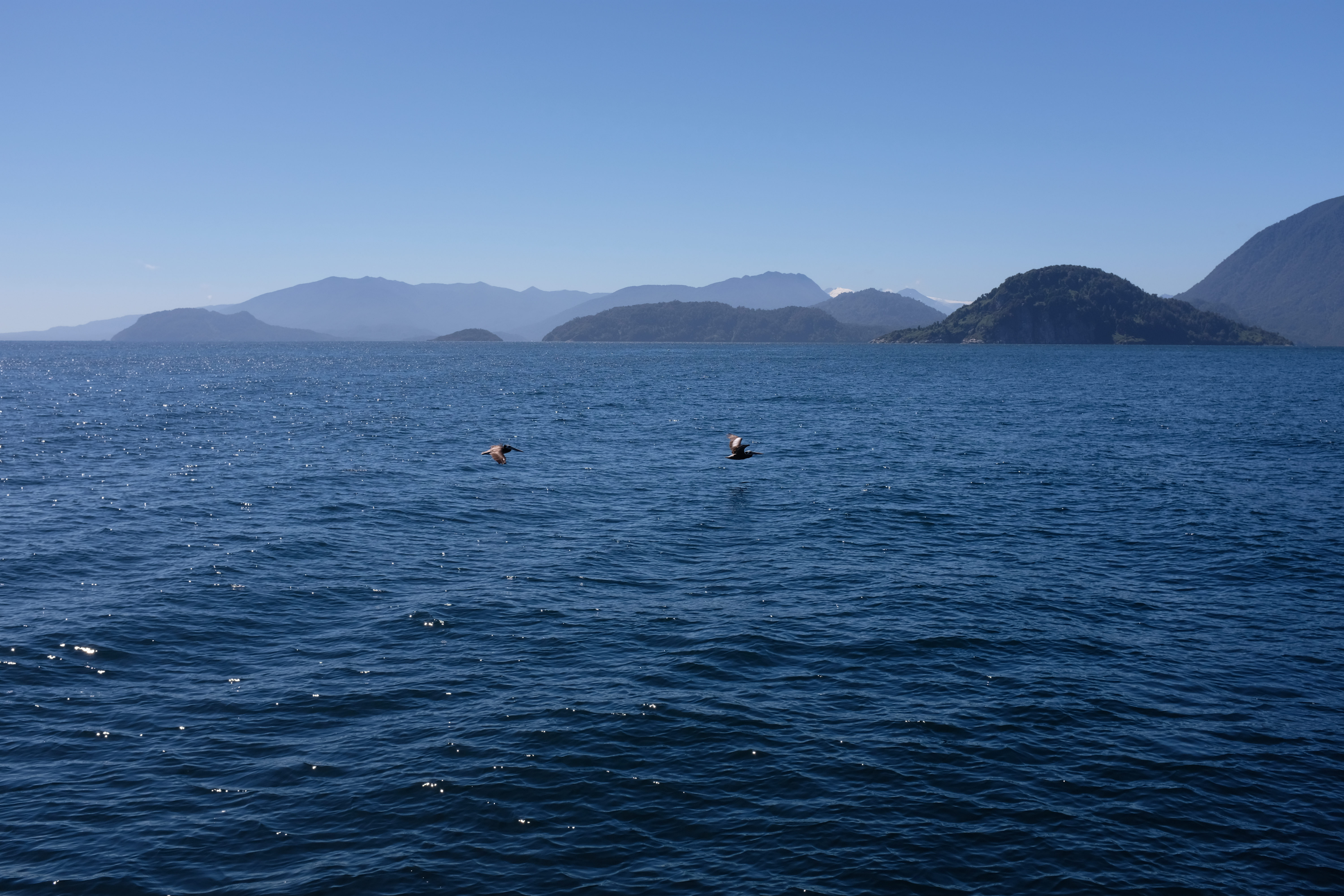
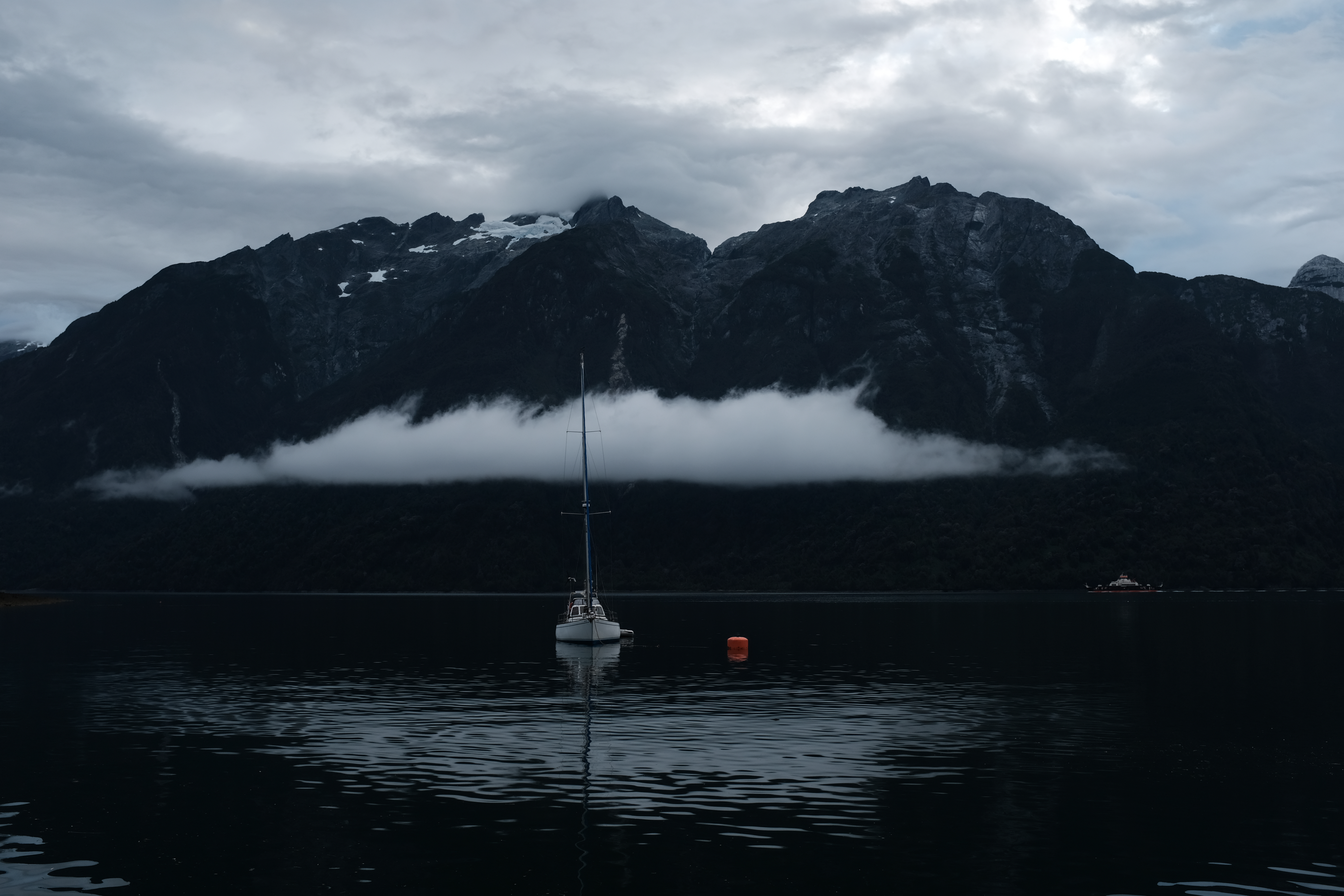
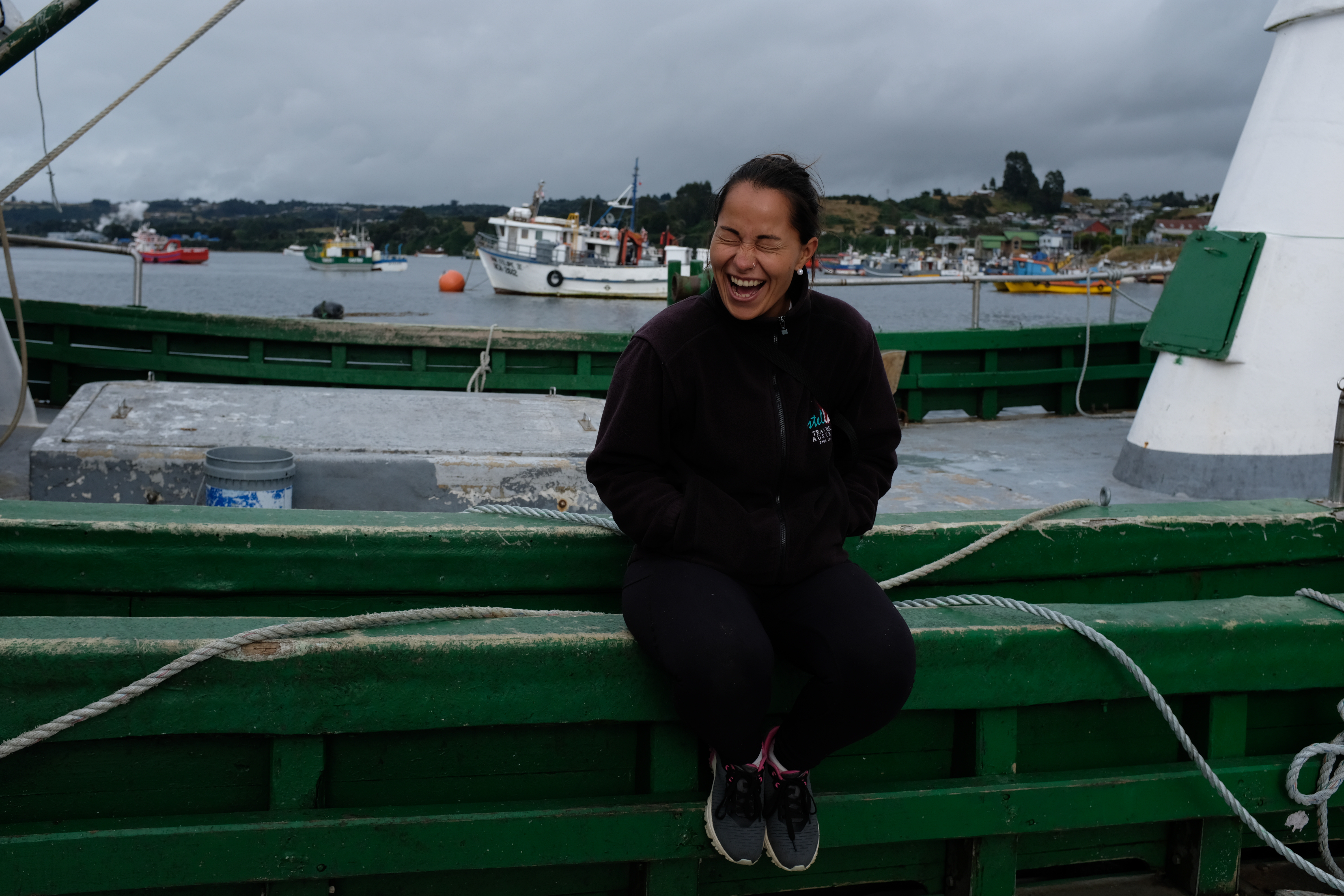
Additional photos from my reporting trip to Chile that didn’t make it into Patagonian paradise lost? The environmental hazards of farming fish in a warming world. Photo credit: Jessica McKenzie
Bulletin: Patagonian paradise lost? The environmental hazards of farming fish in a warming world

This story was supported by the Pulitzer Center and republished by Mother Jones as part of the Climate Desk collaboration

Comau Fjord is a sliver of sea framed by thickly forested mountain slopes. Melting glaciers peek between the crags. Waterfalls tumble down mountainsides, faint lines across vast expanses of gray rock. It is quintessential Chilean Patagonia, but in the austral summer of 2021, the narrow fjord filled with the smell of putrefying fish.

The salmon farms that populate the remote glacial fjord were in crisis. A massive algal bloom was suffocating salmon in their pens.

Boris Hernandez, a third-generation resident who lives in a house at the edge of the fjord, went out on the water for a closer look. He saw a boat sucking dead fish from one of the salmon farms and spewing pink liquid—a mix of seawater, liquified salmon remains, and algae—out the boat’s other side.

Hernandez contacted Thomas Montt, who had recently visited Comau Fjord and expressed concern about the proliferation of salmon farming operations in the area. A few days later, Montt came by boat with a photographer to document masses of dead salmon rotting in nets on the water.

“It was the biggest organic spill I had ever seen,” Montt recalled. “It’s something you can’t imagine. It’s hard to visualize the amount of organic garbage that was floating on the water and everywhere. It would go into the bathroom of the boat, it would go in the cooling system, it would go on your hands. Everything was oily, fishy, messy.”

That was early 2021. By April of that year, just one salmon company, Camanchaca, had lost 1.3 million fish—approximately 2,500 tons. By the end of the month, total losses in the fjord had reached 6,000 tons.

As bad as that sounds, it pales in comparison to 2016, when a red tide of algae killed approximately 27 million salmon in Chile, a staggering loss of more than 110,000 tons of fish. More salmon died in two weeks than would be expected to die in two years of normal production. Jose Miguel Burgos, the then-head of Sernapesca, the governmental office that oversees fishing and aquaculture, said the dead salmon could easily fill 14 Olympic-size swimming pools.

Read more…

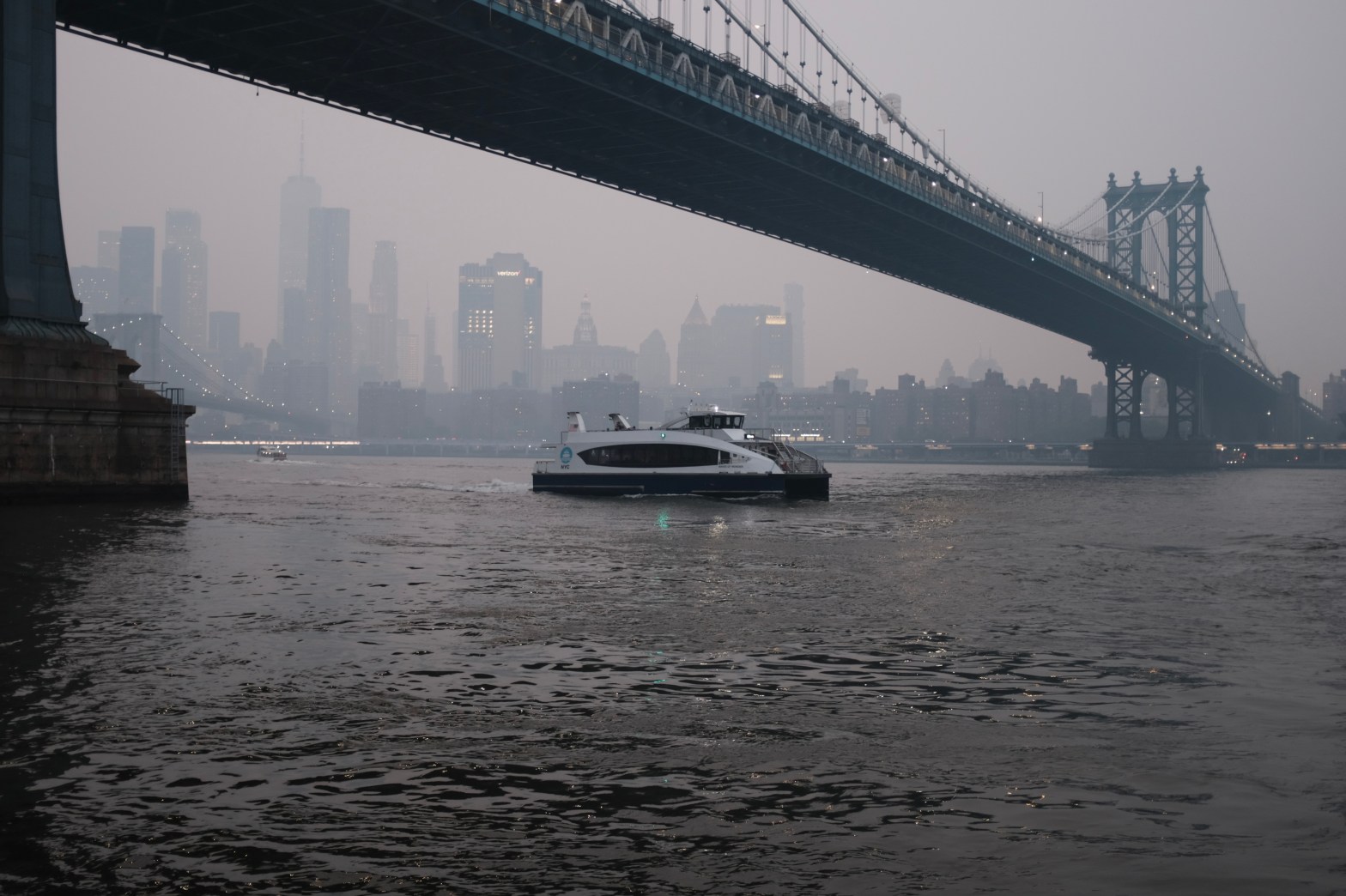
Bulletin: Wildfires push air quality in East Coast cities almost off the charts

The East Coast was blanketed in smoke from wildfires in Canada this week. I can feel the burn and sting from the toxic smog in the back of my throat even now, after the air quality in Brooklyn has somewhat improved. My eyes became swollen, puffy, and irritated the morning after a masked walk.

In New York City, the Air Quality Index (AQI), a measure of air pollution and health safety risk, peaked at 484 on Wednesday evening, the highest ever recorded in the city. (The index only goes up to 500.) Philadelphia also surpassed 400.

Read more…

What Will It Take for Geothermal To Heat Up the Renewable Energy Sector?

Geothermal energy’s potential contribution to reducing greenhouse gas emissions is enormous. Just 0.1 percent of the Earth’s heat could provide enough energy to power the world for two million years. And every gigawatt of energy from geothermal resources offsets approximately 380 metric tons of carbon dioxide emissions.

Yet geothermal energy is responsible for less than 1% of the total electricity generation in the United States.

So why has it been so slow to tap into this vast and essentially inexhaustible resource? And how might that soon change?

Read more…

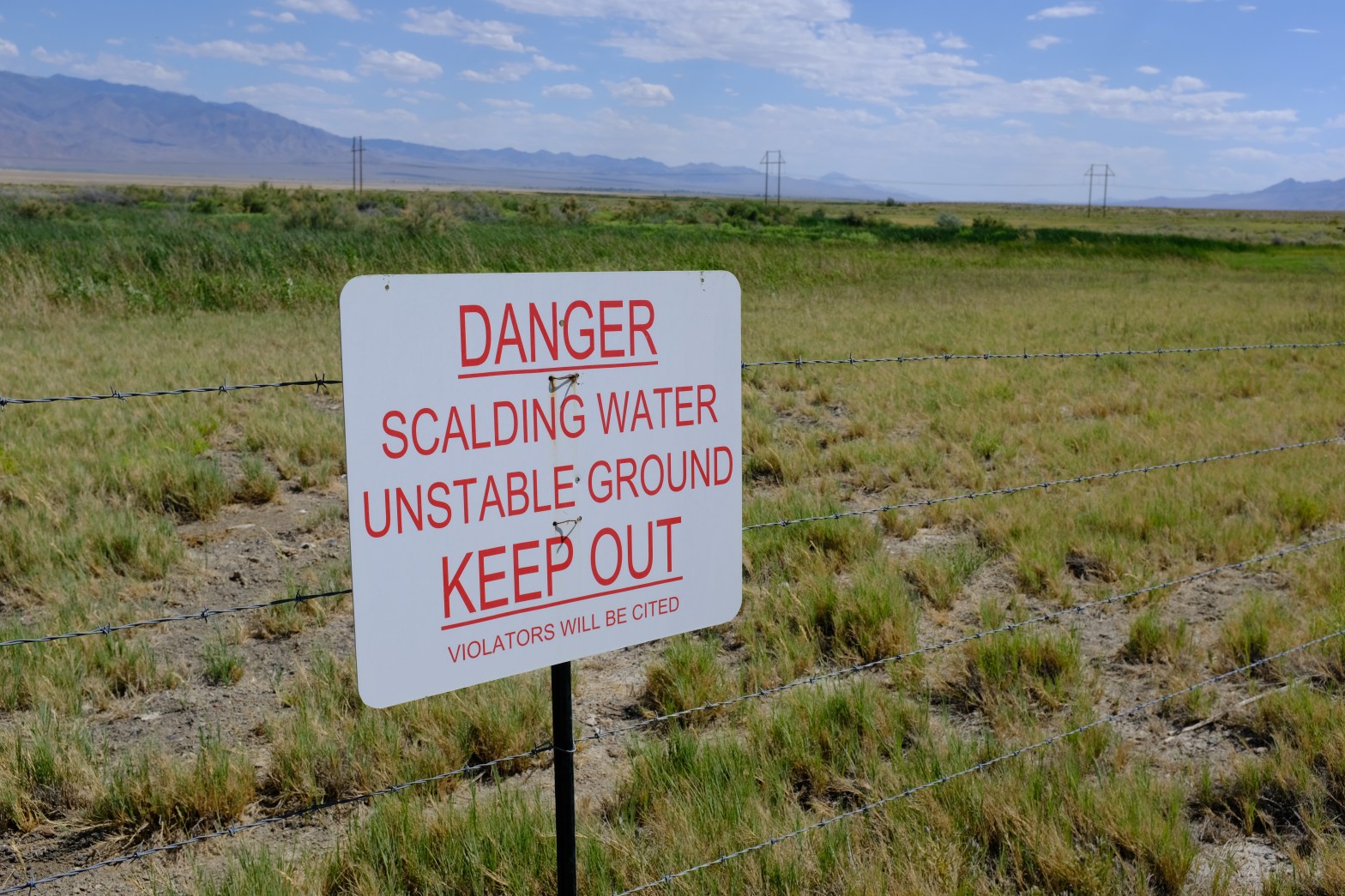
Bulletin: Battle over geothermal project pits tiny toad against renewable energy

Dixie Meadows is a smudge of vibrant green in an otherwise muted pink and tan landscape. To travel there from Fallon, Nevada, the nearest city, one must first drive 40 miles east on US Route 50, a stretch of highway known as the “loneliest road in America,” and then another 40 miles north on a gravel road into Dixie Valley, a low-lying plain between the Stillwater Range and the Clan Alpine Mountains. Desert shrubs extend as far as the eye can see, until a shimmer of water appears on the horizon—the first sign of a desert oasis. Fed by a series of over 100 seeps and springs, these 760 lush acres at the foot of the Stillwater mountains encompass the entire global range of the endangered Dixie Valley toad. They are also a “surface expression,” as geologists put it, of an as-yet untapped geothermal energy source.

Wearing a straw cowboy hat and using a wooden staff as a walking stick, Patrick Donnelly leads the way into Dixie Meadows’ shoulder-high reeds, where we hope to find the smallest of the western toads. As the Great Basin director of the Center for Biological Diversity, Donnelly campaigned to get the Dixie Valley toad listed as endangered, which the Fish and Wildlife Service did in April on an emergency basis for only the second time in the past 20 years. Donnelly has also worked tirelessly to halt the progress of the largest threat to the Dixie Valley toad and the green oasis it calls home: the Dixie Meadows Geothermal Project. Donnelly is concerned that if the geothermal project proceeds as planned, it will disturb or even dry up the series of hot springs that have created this verdant oasis.

Read more…