NASA missions at risk under the Trump administration

As part of the budget proposal for NASA submitted earlier this year, the Trump administration proposed cancelling more than 40 missions, including at least 14 Earth science missions.

Agency employees have already been instructed to do the preparatory work for ending these satellite and instrument programs, according to a NASA scientist who spoke with the Bulletin.

Read more…

Bulletin: Dire wolf, or Colossal misrepresentation?

Amid a supremely chaotic news environment—dominated by Trump’s deportations, Trump’s funding cuts and layoffs, Trump’s tariffs and, of course, the tumultuous stock market the tariffs produced—one carefully calibrated science story managed to break through the noise and make global headlines this week: A biotechnology company called Colossal Biosciences claims to have resurrected the dire wolf, a species that went extinct over 10,000 years ago.

Read more…

Republished by Mother Jones here.

Bulletin: Is the University of Chicago’s new climate initiative a brave research program or potentially dangerous foray into solar geoengineering?

In 2006, a group of preeminent scientists met for a two-day conference at the NASA Ames Research Center in California to discuss cooling the Earth by injecting particles into the stratosphere to reflect sunlight into space.

At some point, one of the conference rooms became overheated.

“The room was getting kind of hot, and somebody went over to the thermostat to try and fix it,” recalled Alan Robock, a Rutgers climatologist who was in attendance. “And they couldn’t adjust it. And so many people didn’t understand the irony that you can’t control the temperature of a room, but you’re talking about controlling the temperature of the whole Earth.”

Solar geoengineering—also called solar radiation management or solar radiation modification—was then and is now a fraught subject. Many experts and nonexperts alike consider the idea of deliberately mucking about with Earth’s climate systems to counteract centuries of mostly accidental mucking about in Earth’s climate systems ethically dubious and potentially highly dangerous.

And yet: Last year, the global average temperature was almost 1.5 degrees Celsius warmer than the pre-industrial average, due to the vast amounts of heat-trapping carbon dioxide that humans have added to the atmosphere by burning fossil fuels. This warming is responsible for a wide range of climate impacts, from more extreme storms and longer heat waves to increased precipitation and flooding as well as more severe droughts and longer wildfire seasons.

As the climate crisis has escalated, some experts have suggested that drastic measures like solar geoengineering may eventually become necessary and so should be researched now.

Read more…

What Will It Take for Geothermal To Heat Up the Renewable Energy Sector?

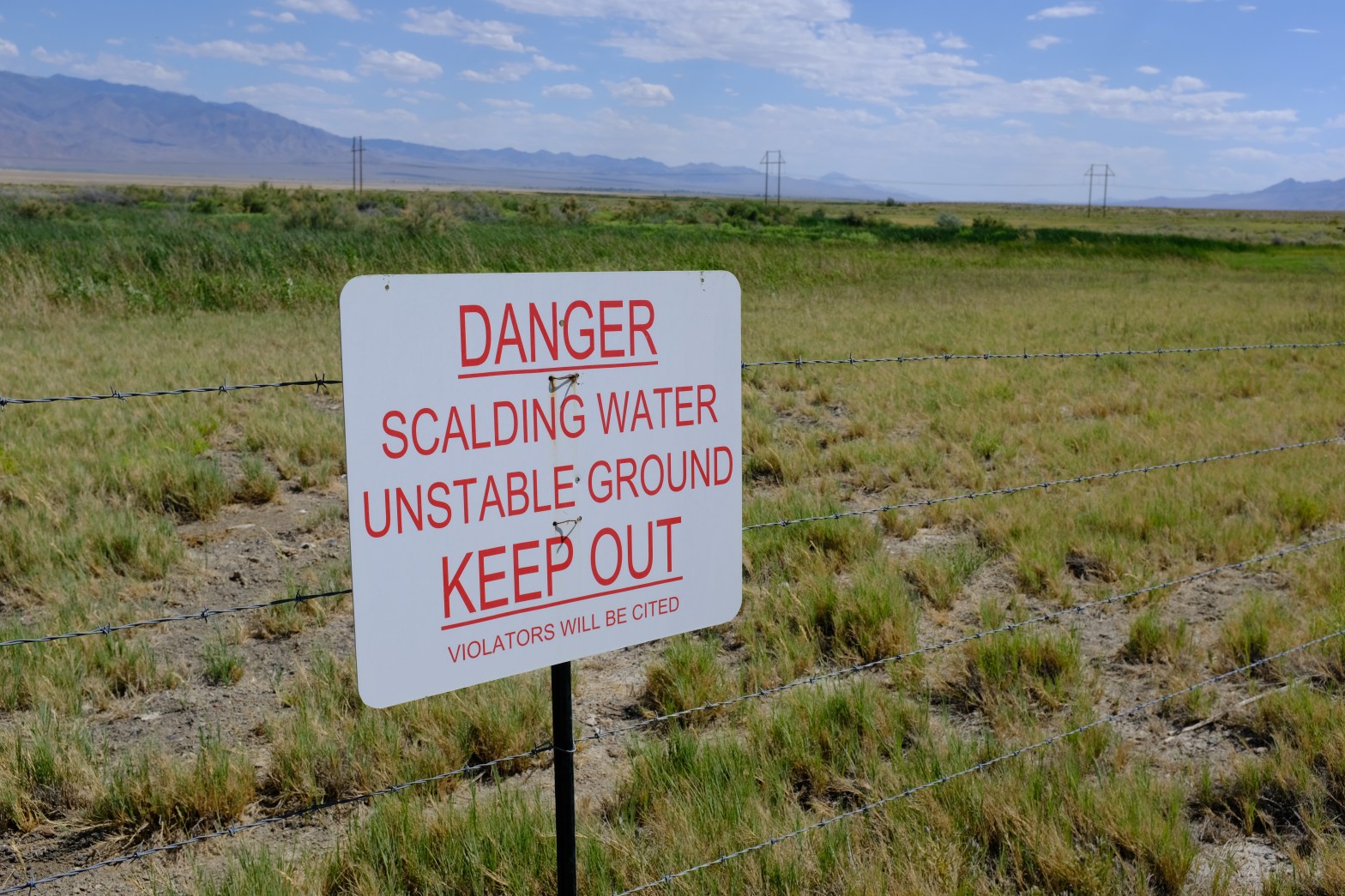
Geothermal energy’s potential contribution to reducing greenhouse gas emissions is enormous. Just 0.1 percent of the Earth’s heat could provide enough energy to power the world for two million years. And every gigawatt of energy from geothermal resources offsets approximately 380 metric tons of carbon dioxide emissions.

Yet geothermal energy is responsible for less than 1% of the total electricity generation in the United States.

So why has it been so slow to tap into this vast and essentially inexhaustible resource? And how might that soon change?

Read more…

Bulletin: Casino gambles on geothermal—and wins big

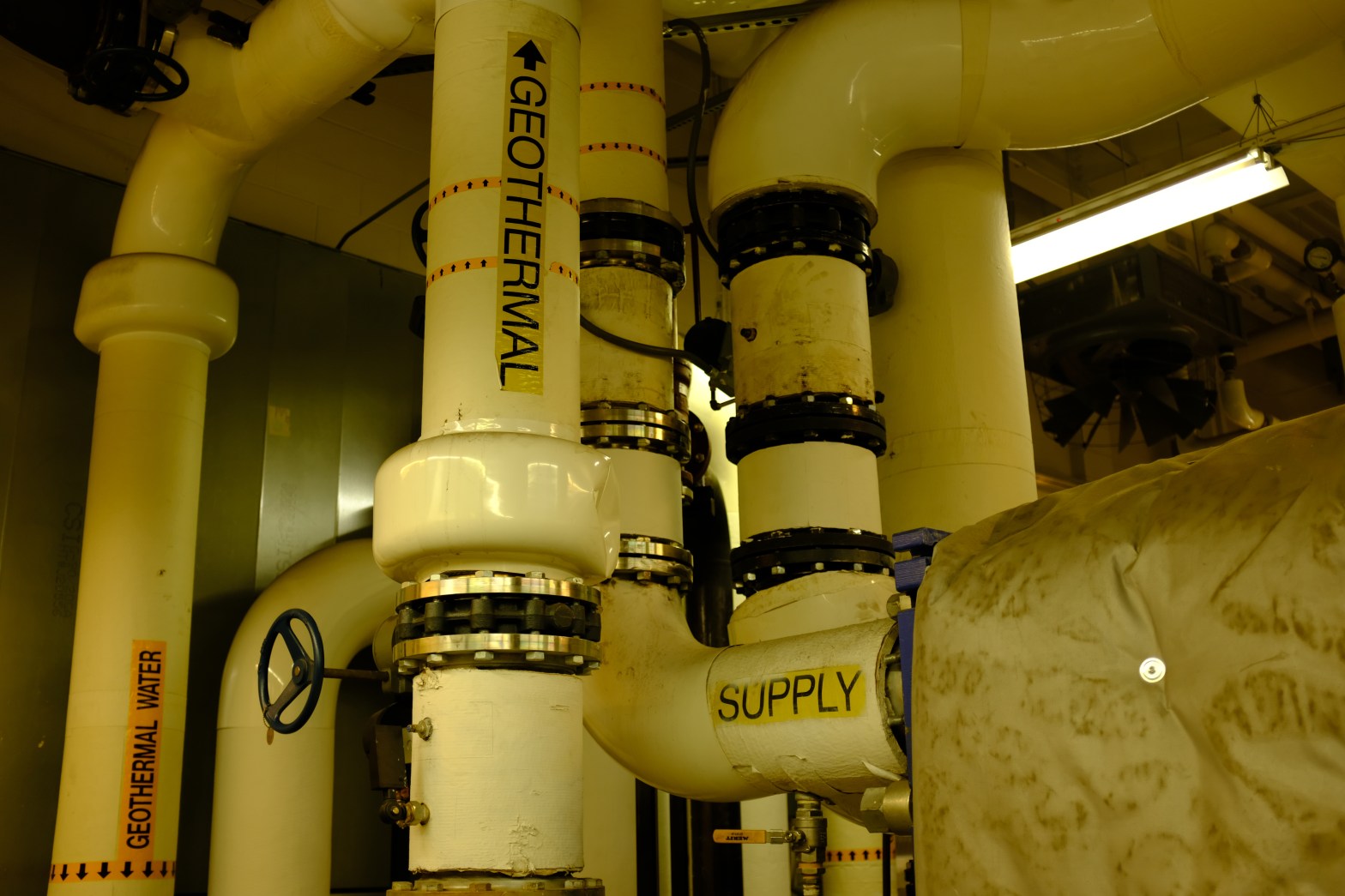
Using geothermal fluid in heating and cooling systems can help big institutions, like universities, city governments, and even upscale resorts save money and reduce their carbon footprint. The geothermal system at the Peppermill Reno Resort paid for itself in three years, two years faster than expected.

Read more…