Bulletin: Don’t call toxic wildfire smoke on the East Coast the ‘new normal’

A haze of wildfire smoke drifting down from Canada blanketed the Catskill Mountains in the days leading up to the recent holiday weekend. The air quality levels displayed in my weather app hovered between 100 and 200 on the US air quality index—not as bad as it had been a month before, but still unhealthy, especially for sensitive groups. Although my friends and I had come up for a long weekend in the fresh country air, we kept the doors shut and the windows closed tight, venturing out only for short periods until a front blew most of the smoke away.

Expect more days like those, New York Governor Kathy Hochul warned.

“There is no end in sight,” Hochul said on June 29. “This is the new normal for New Yorkers.”

Read more…

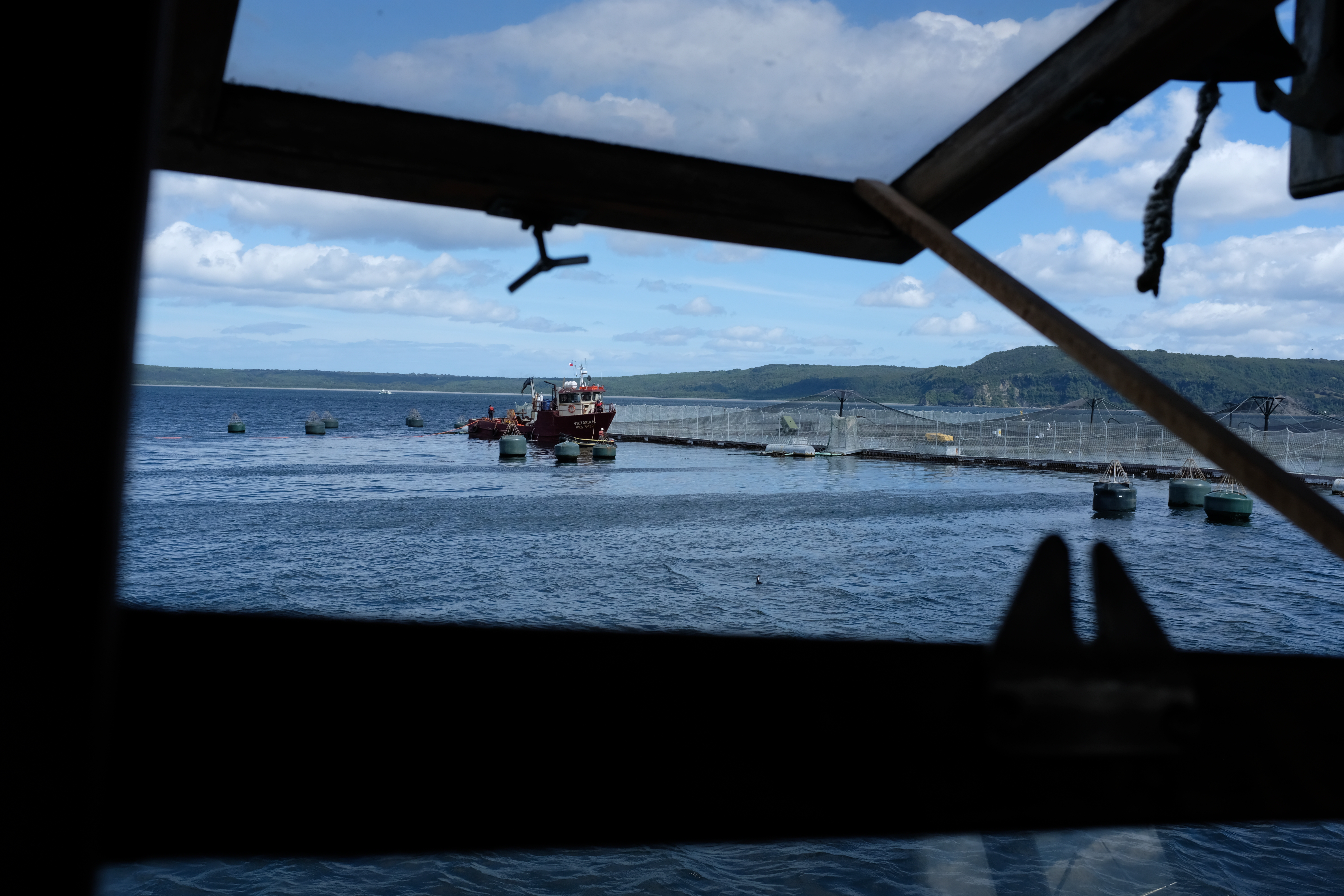
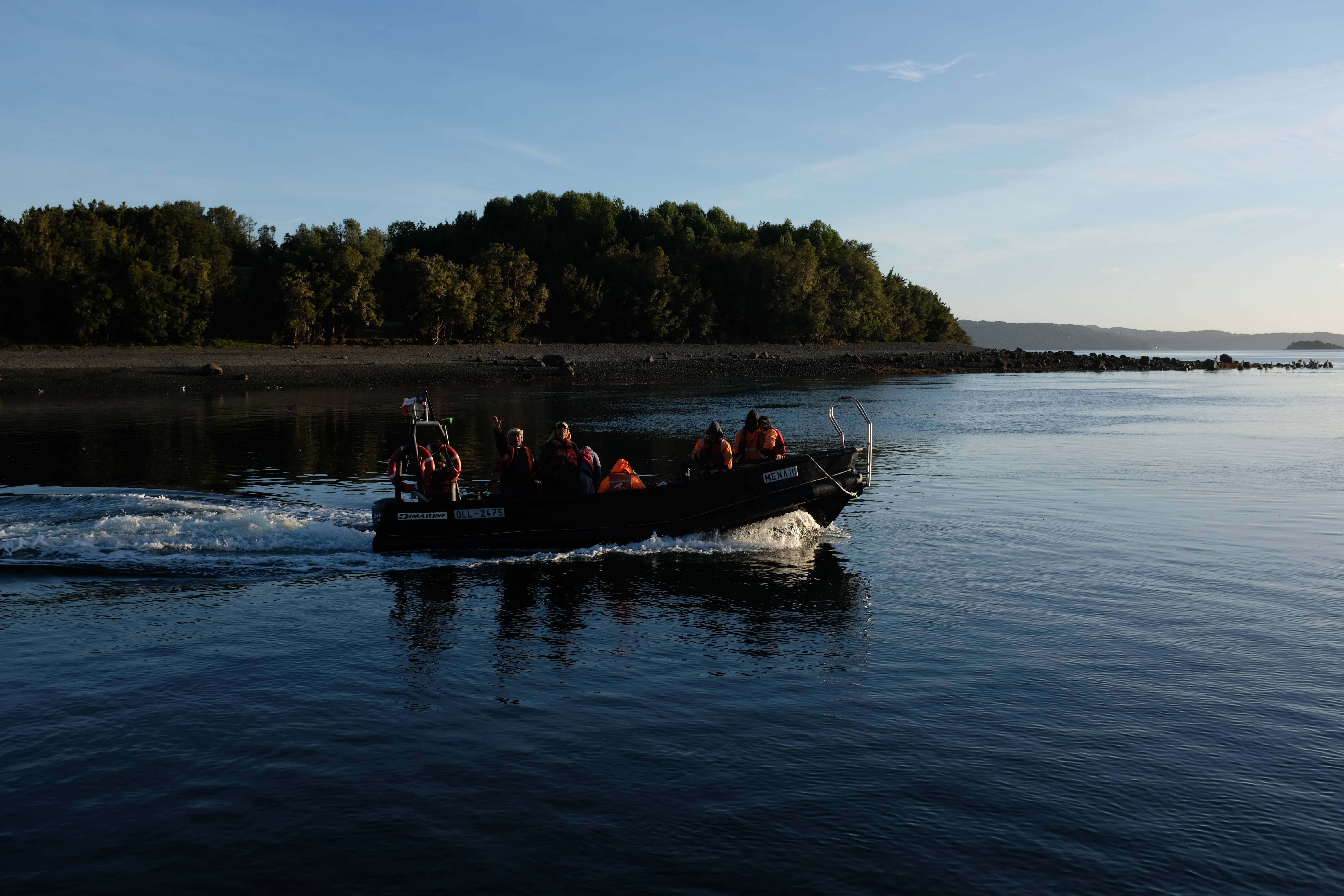
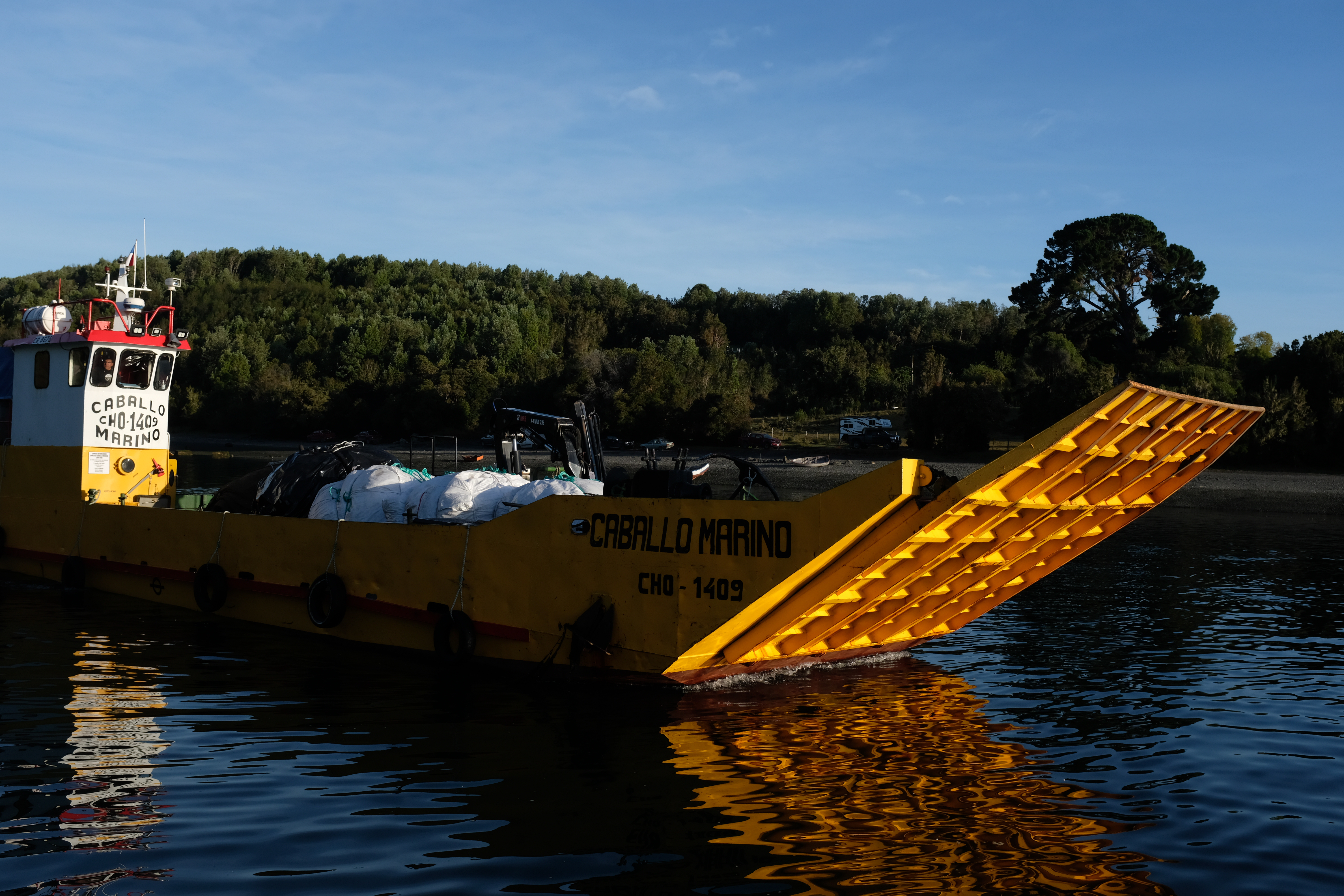
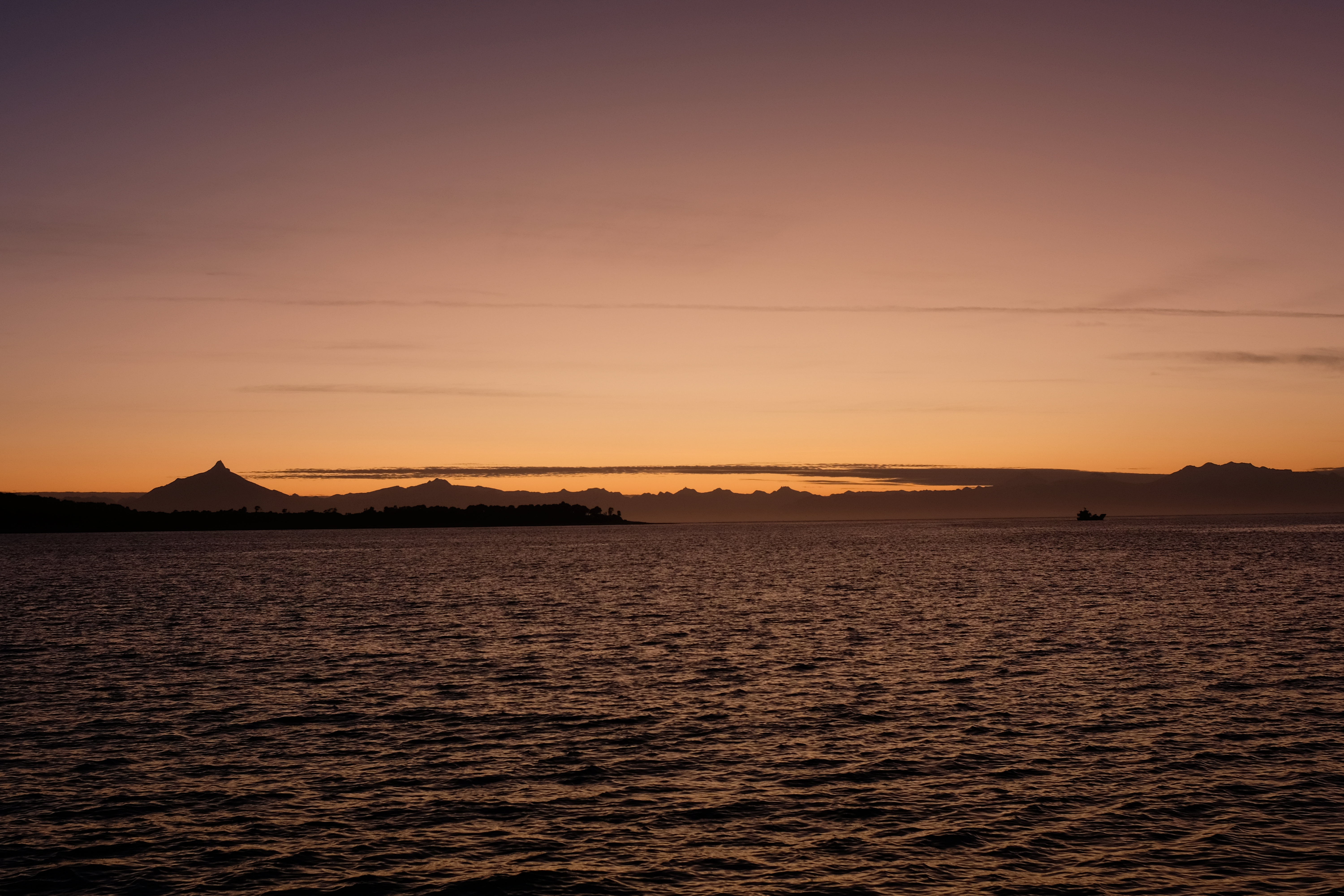
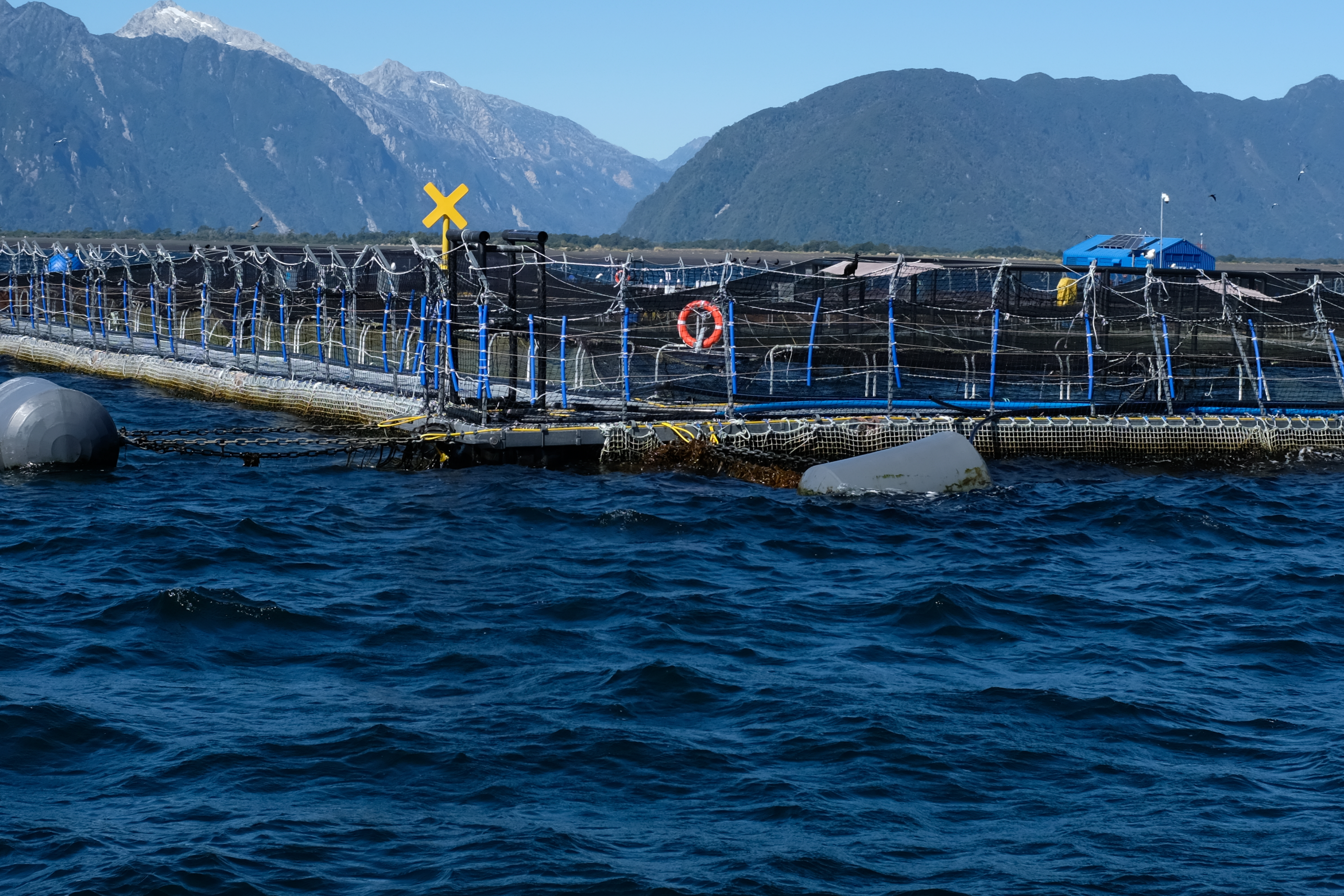
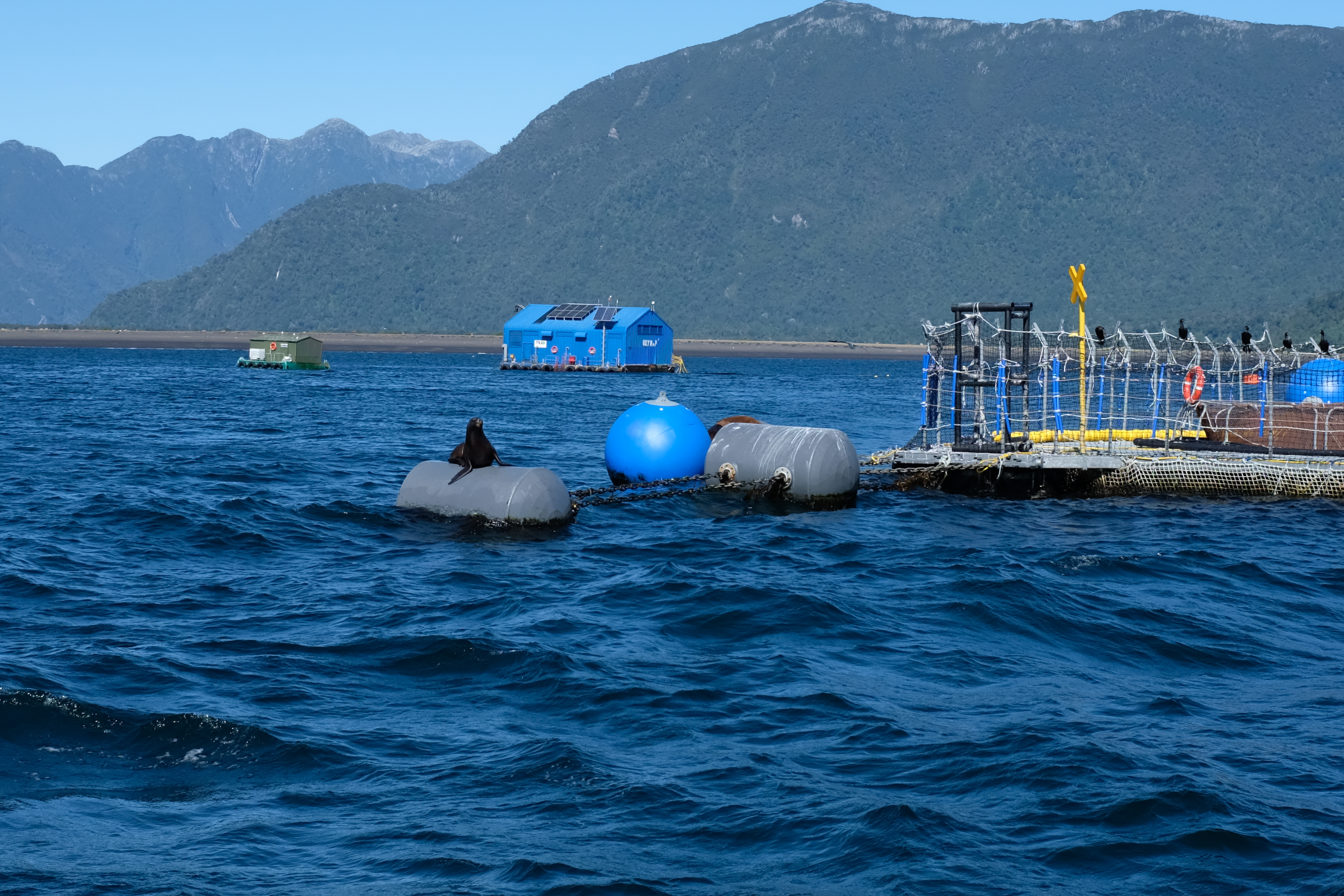
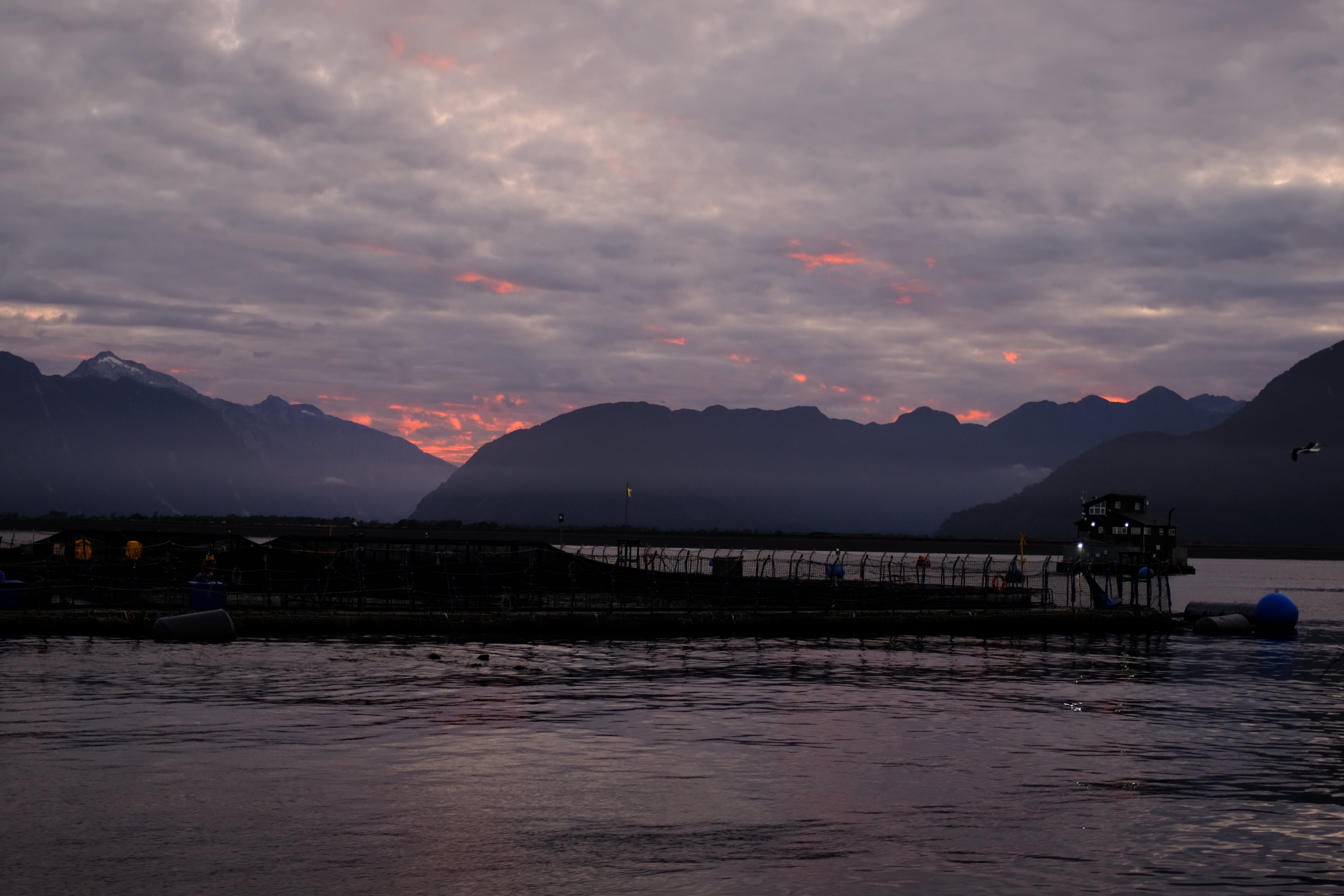
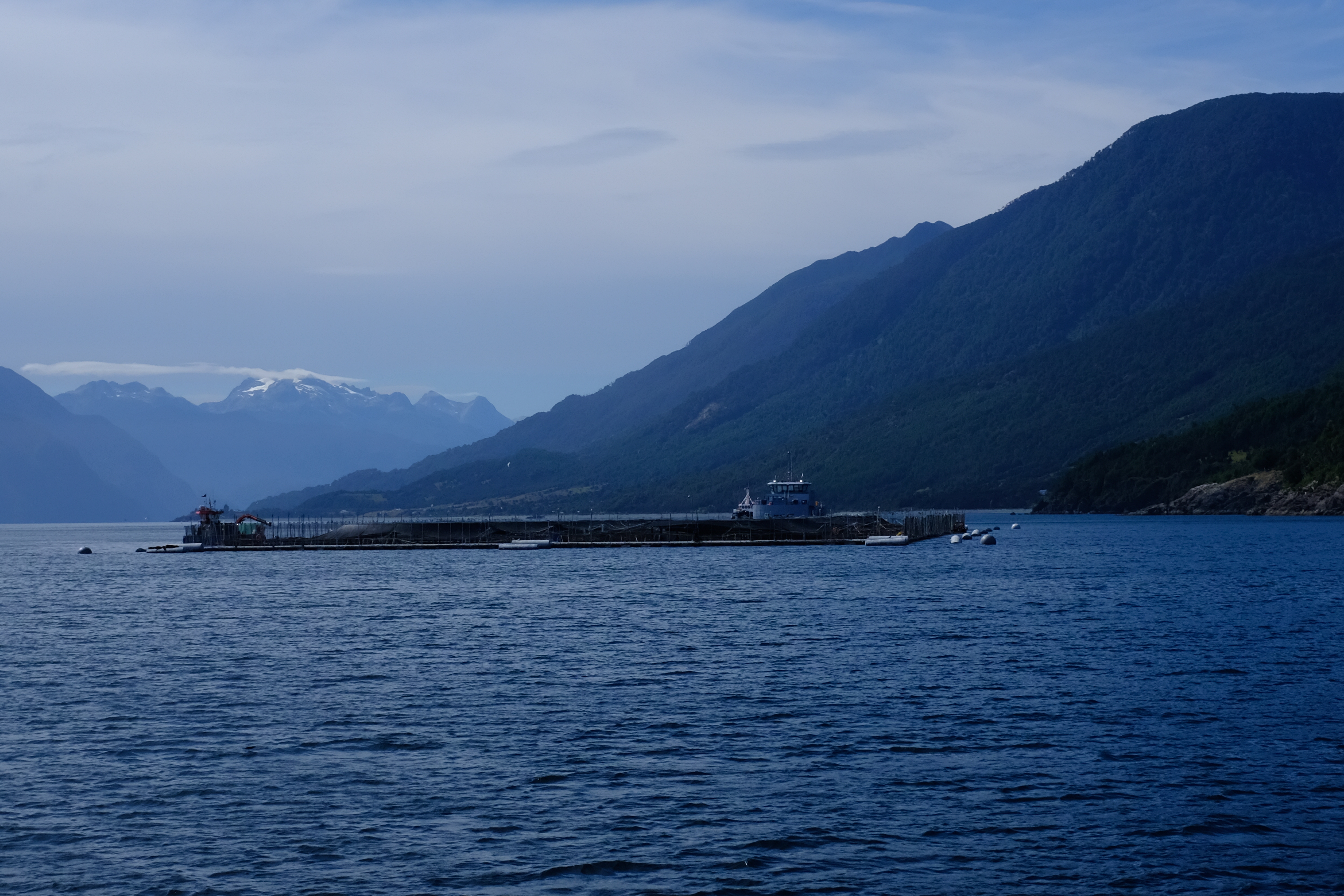
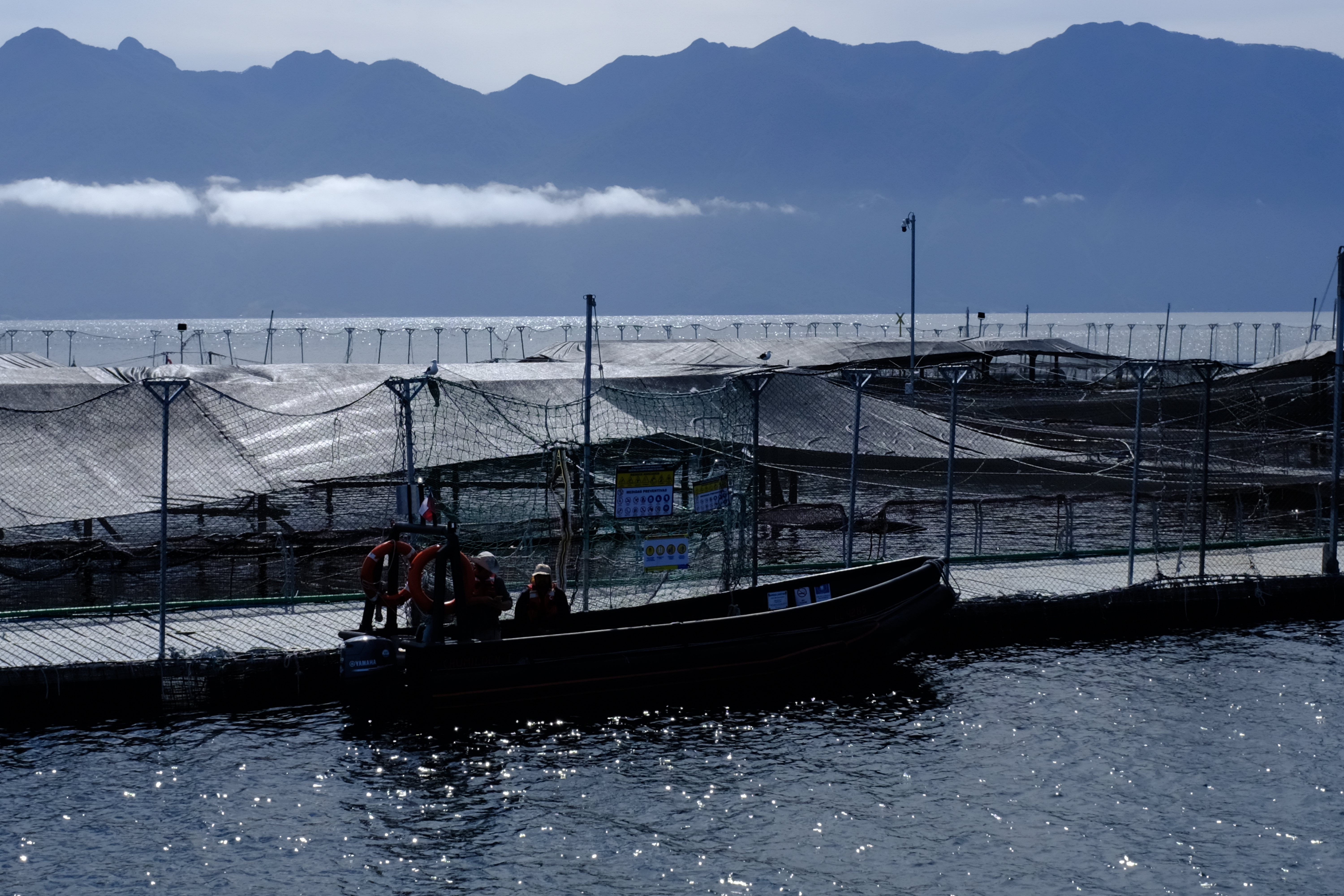
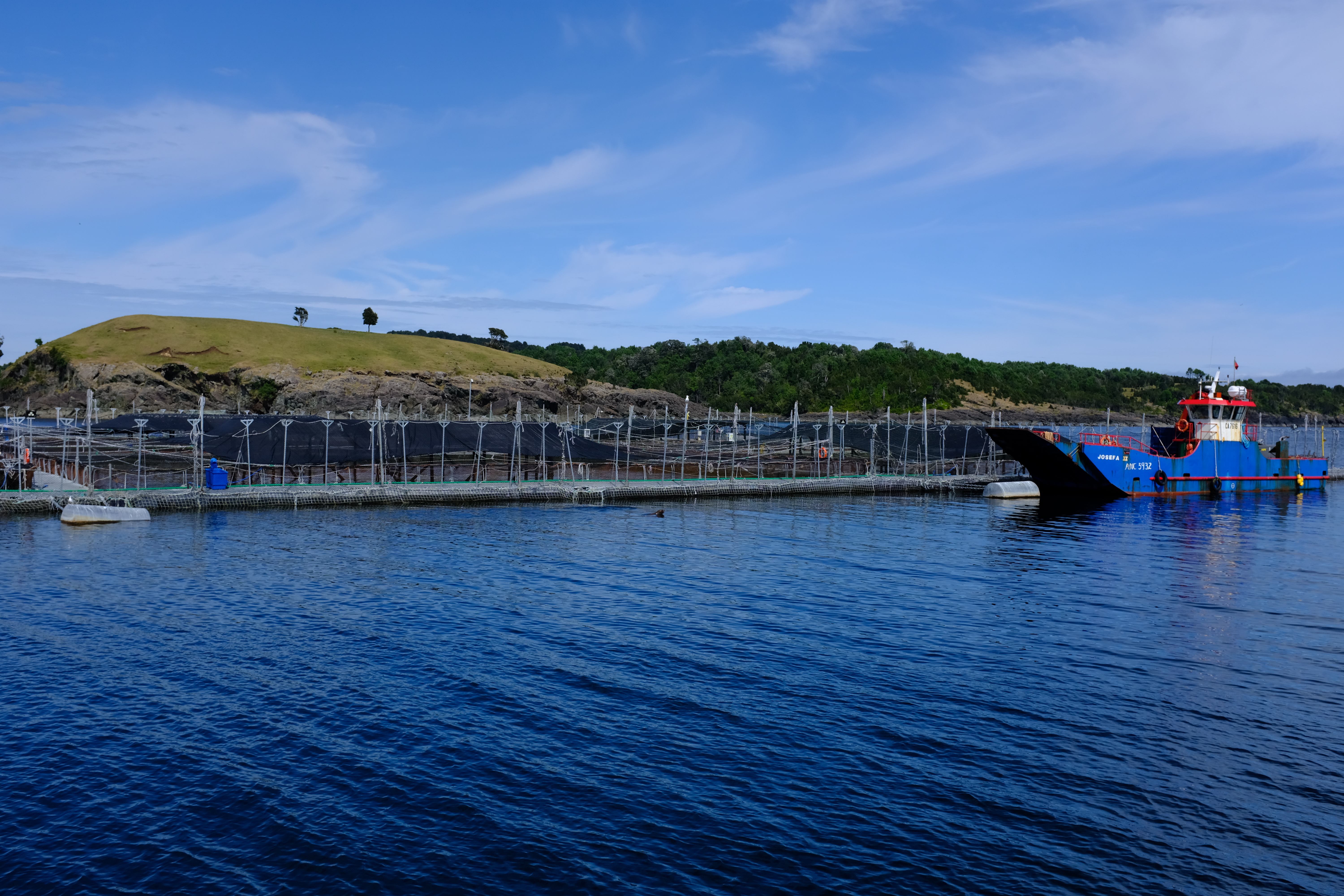
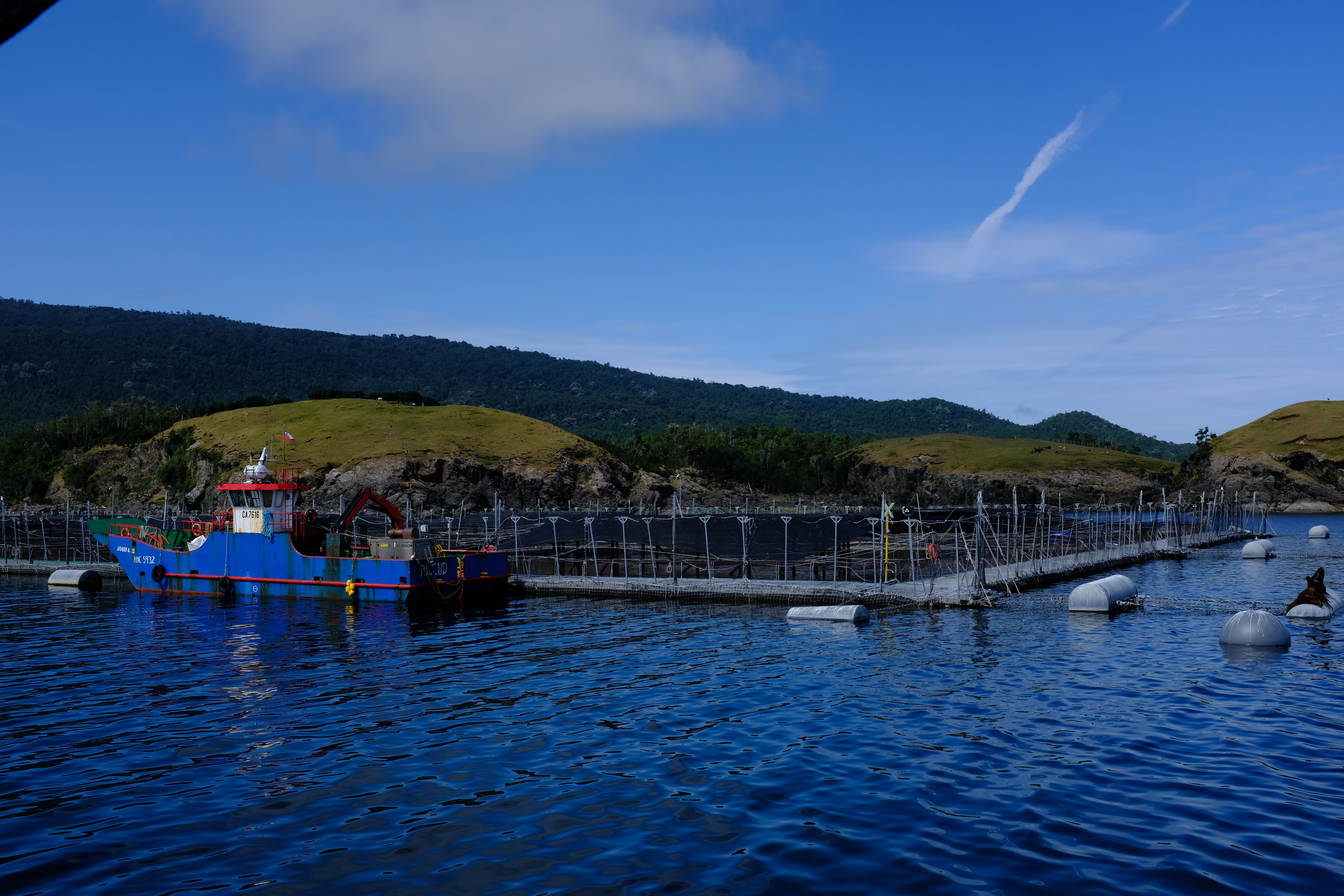
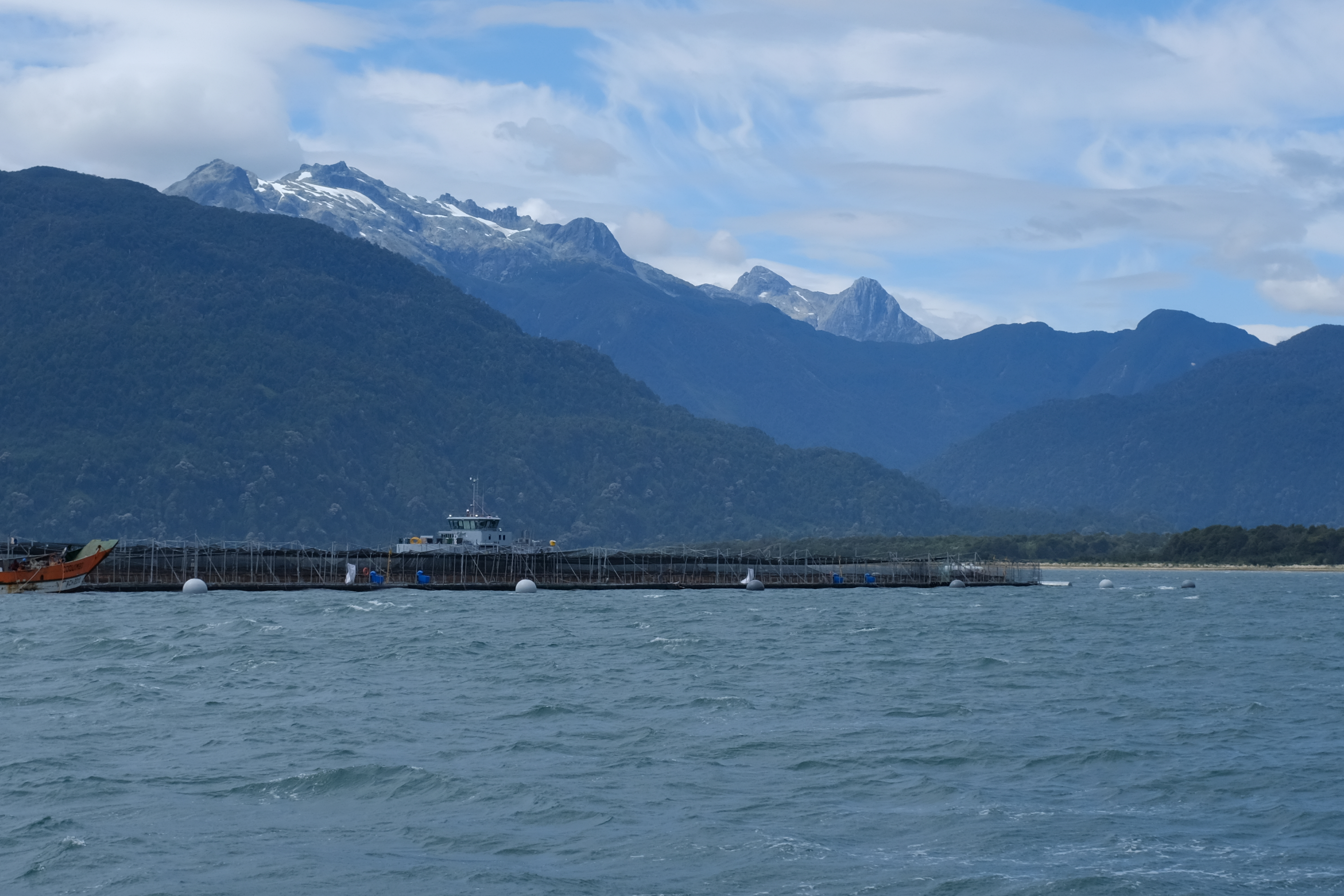
Photos: The environmental hazards of farming fish in a warming world

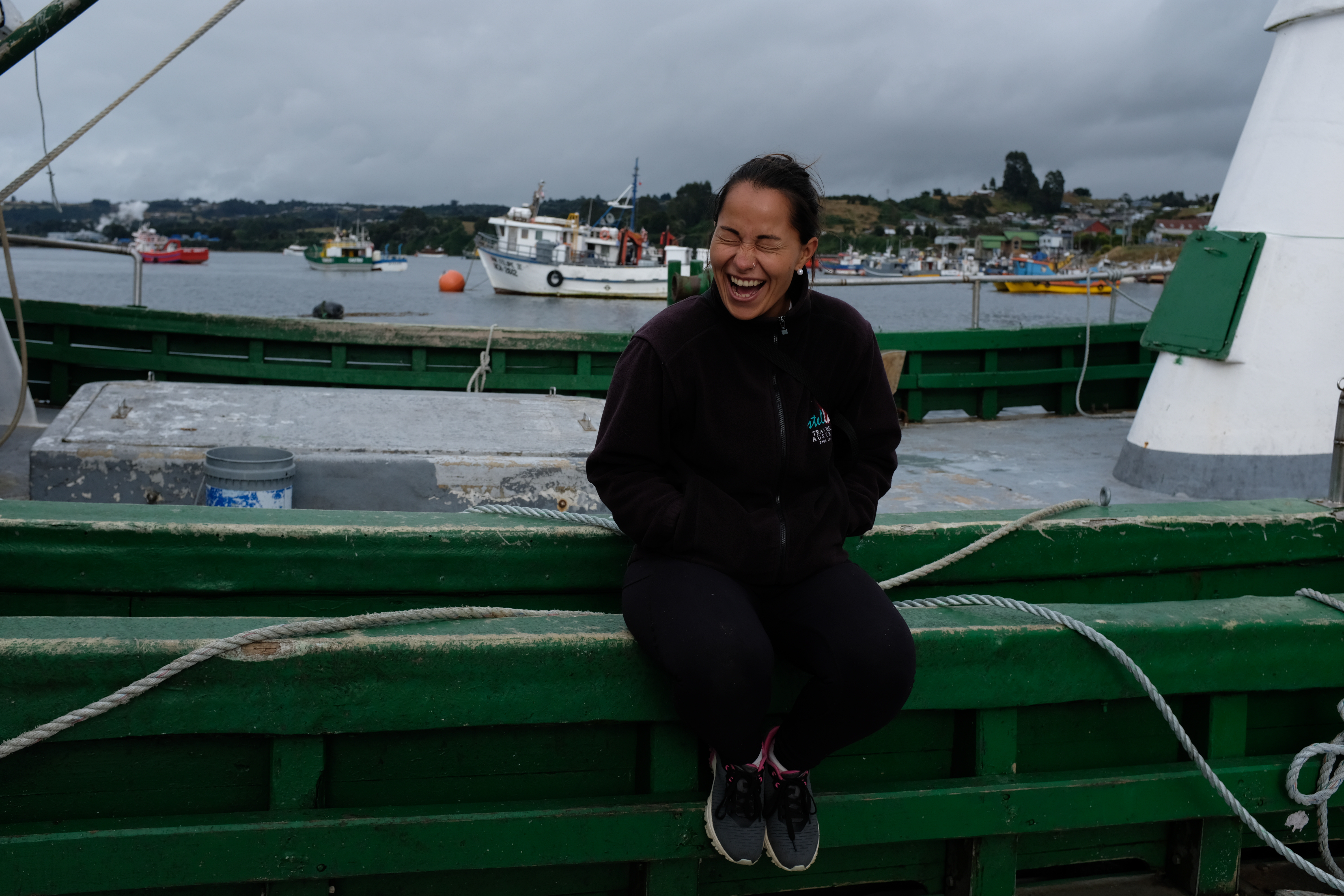
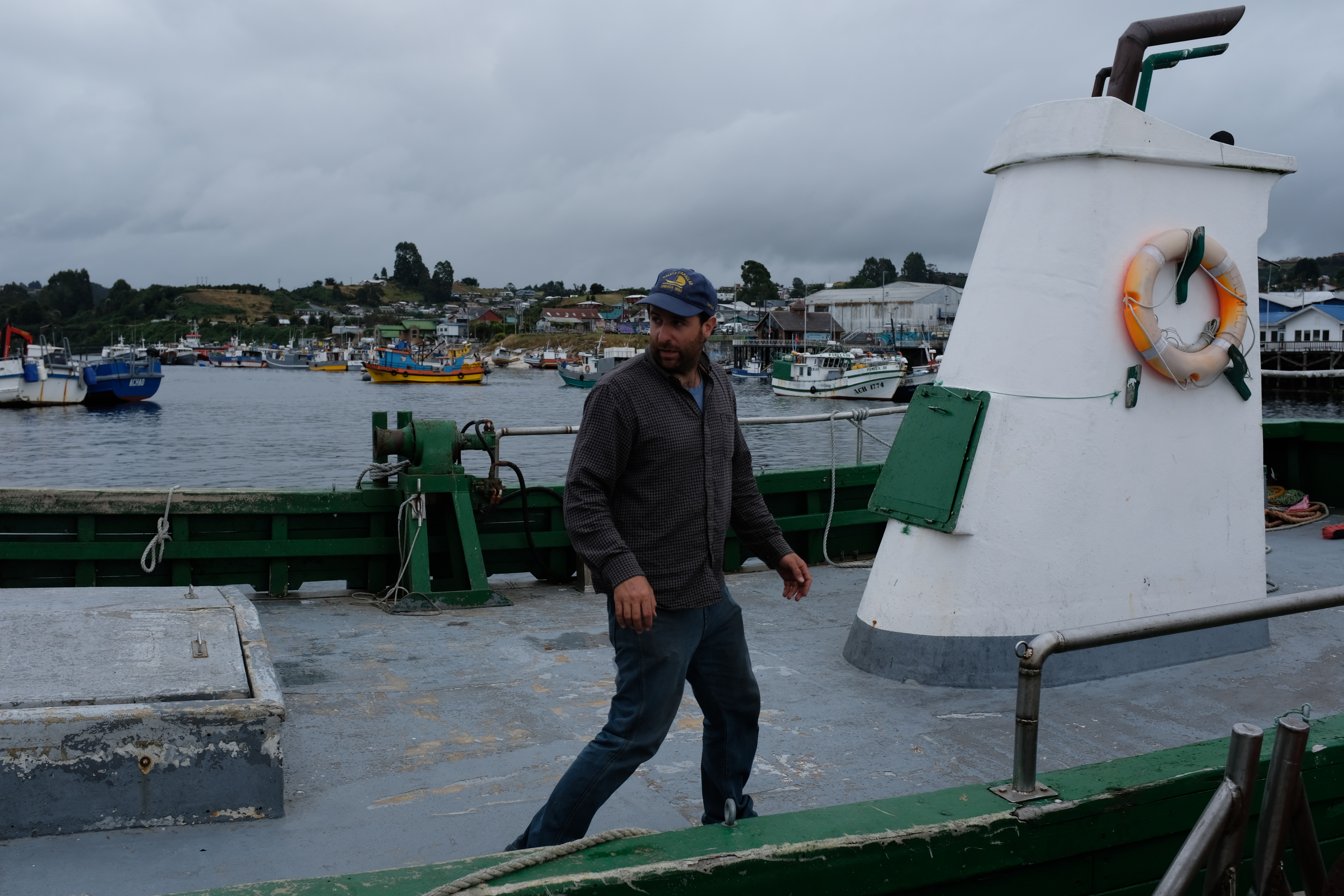
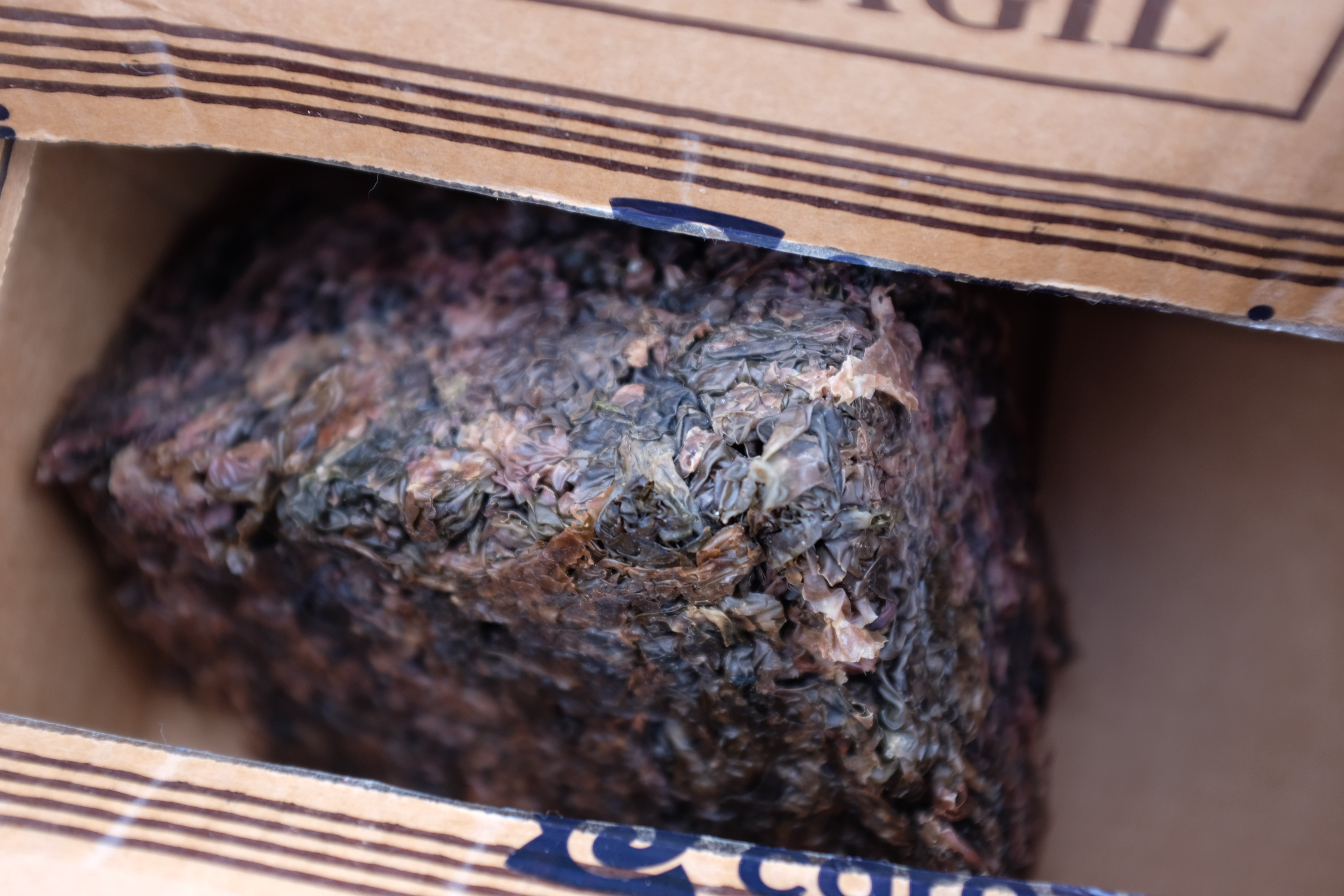
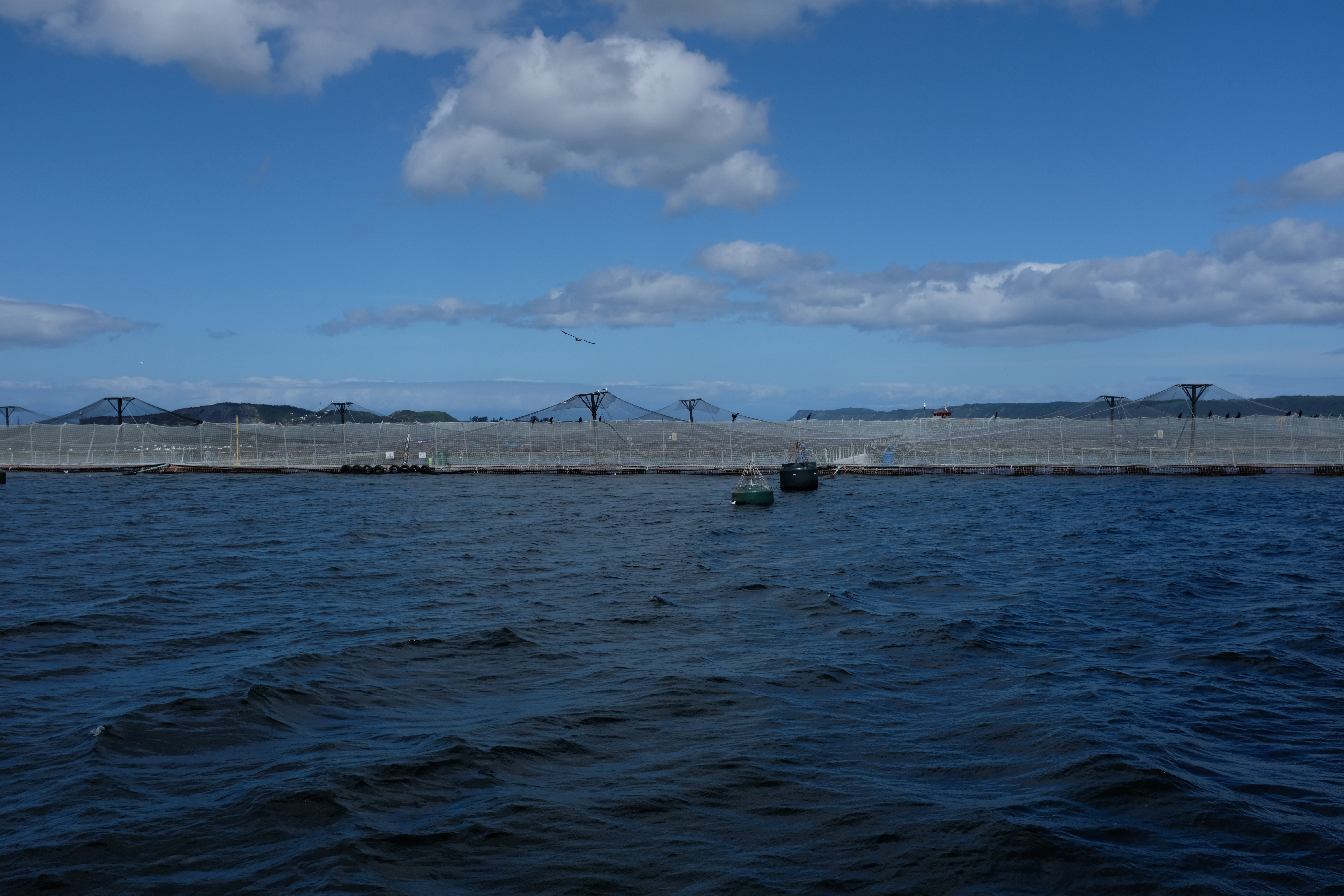
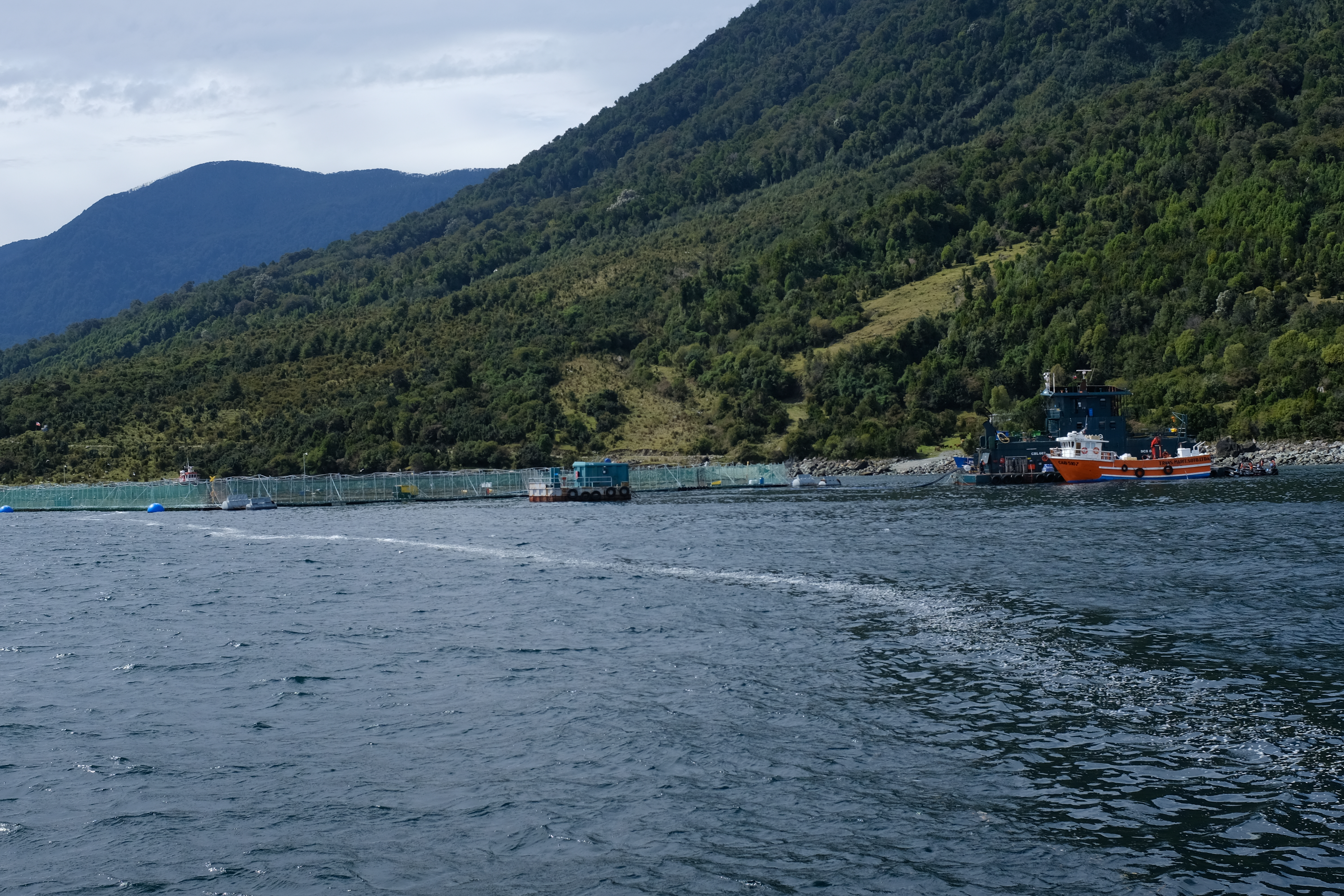
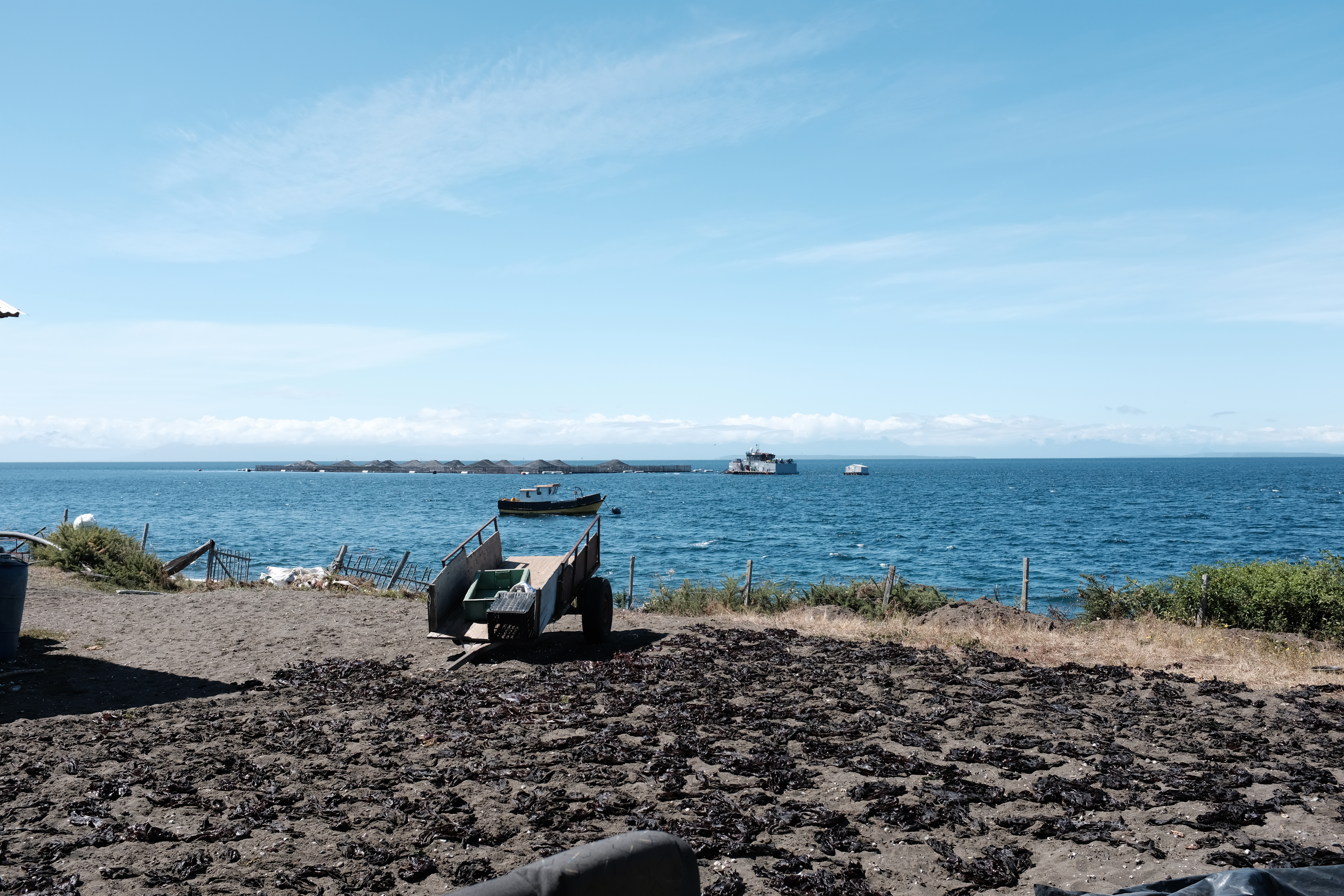
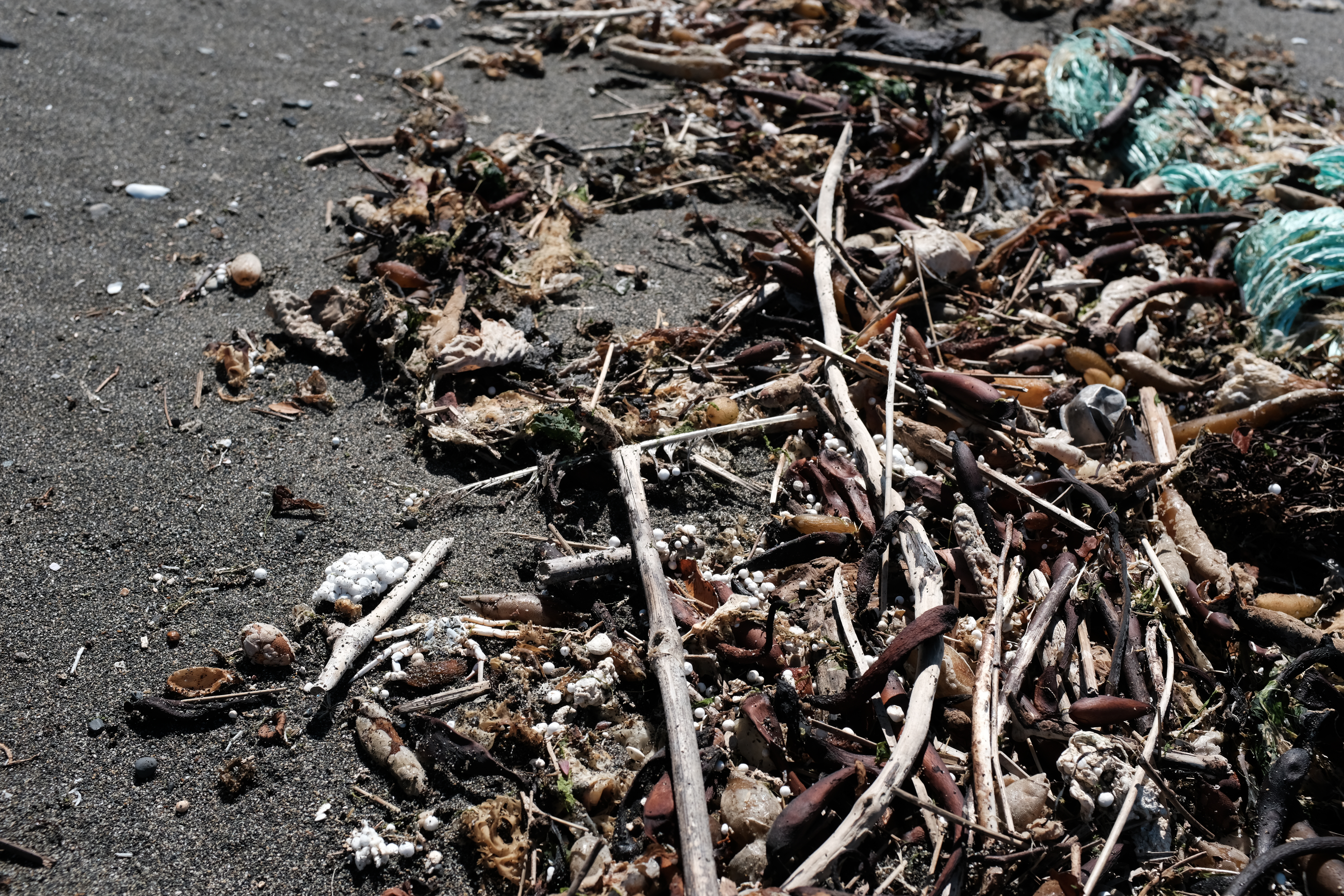
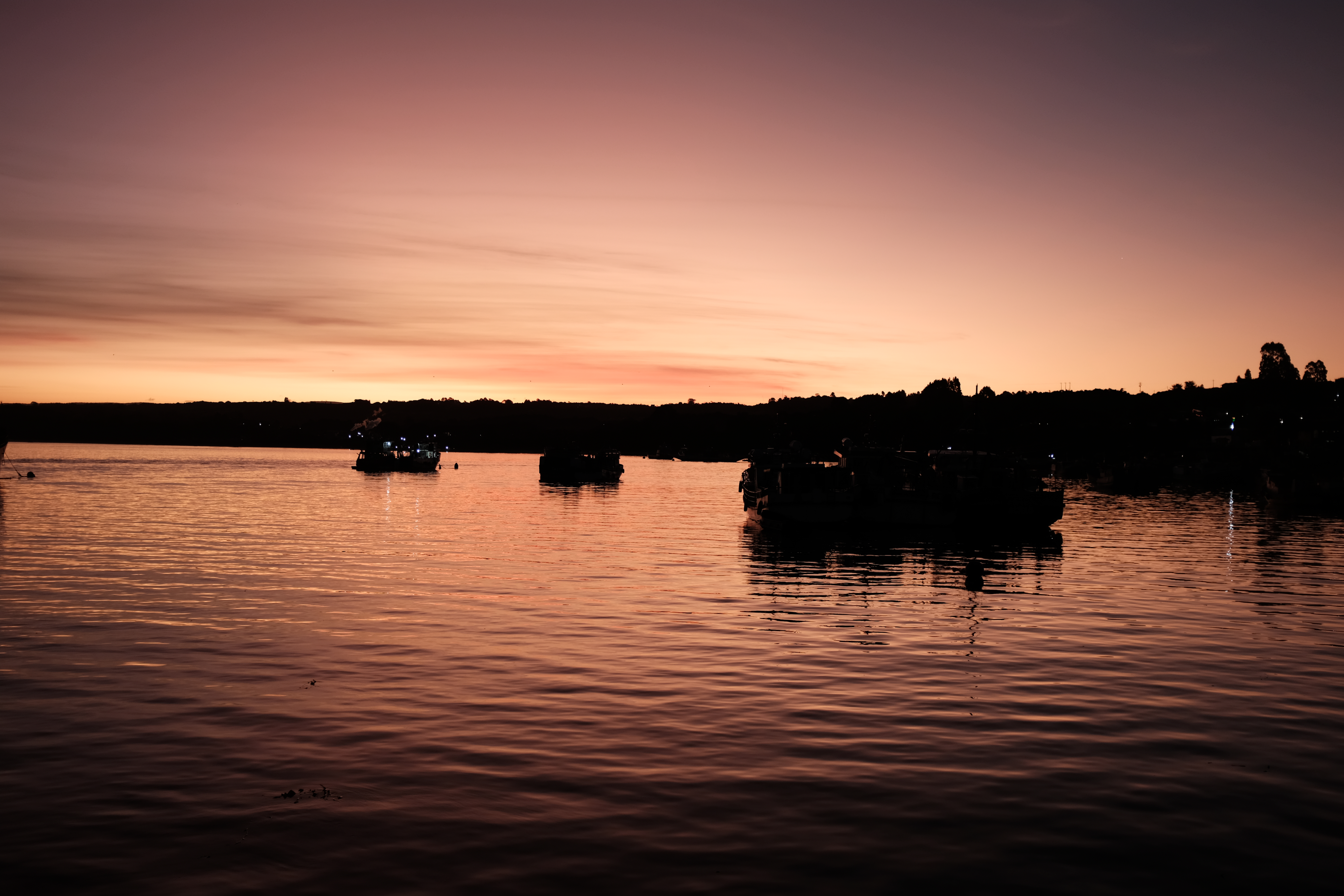
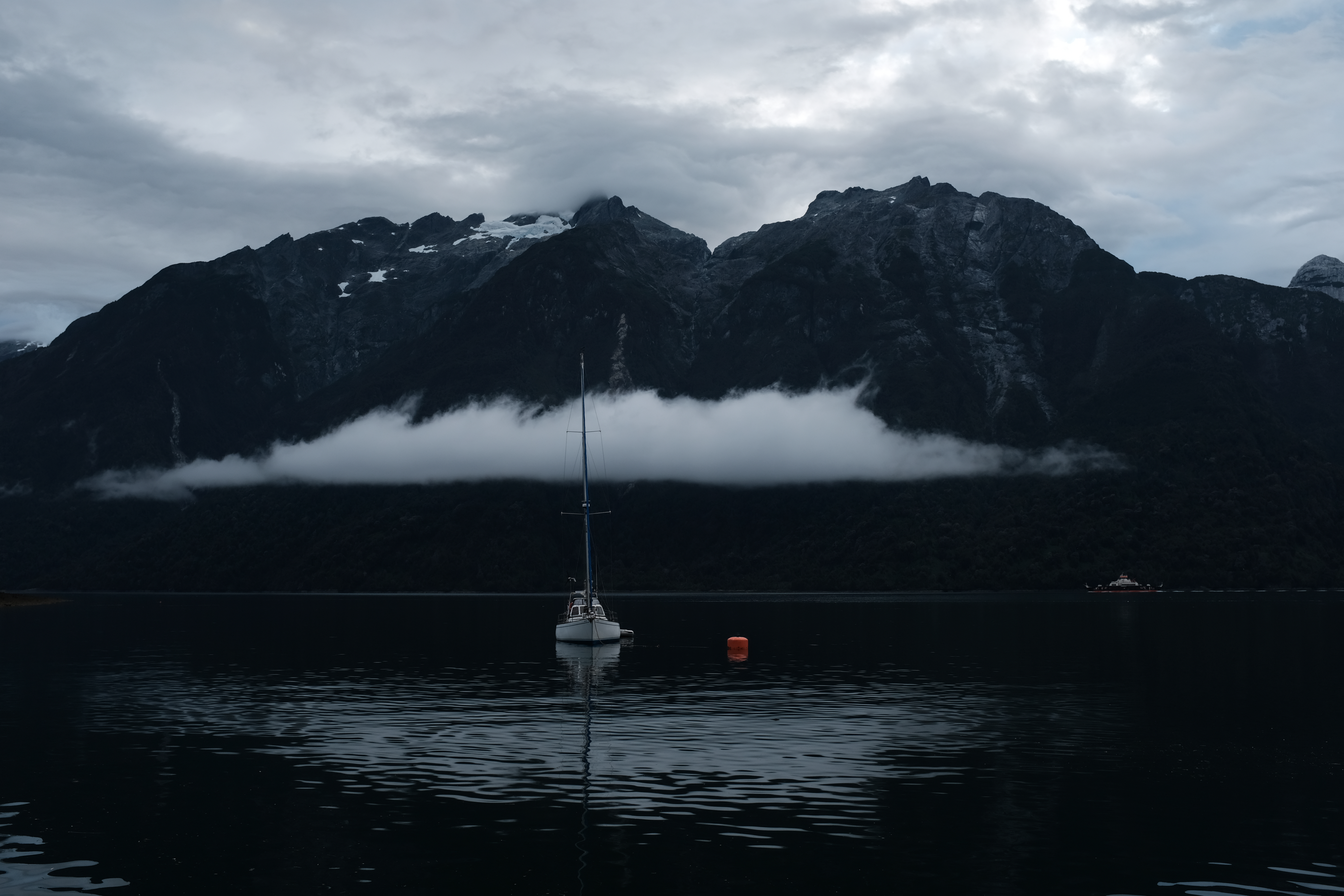
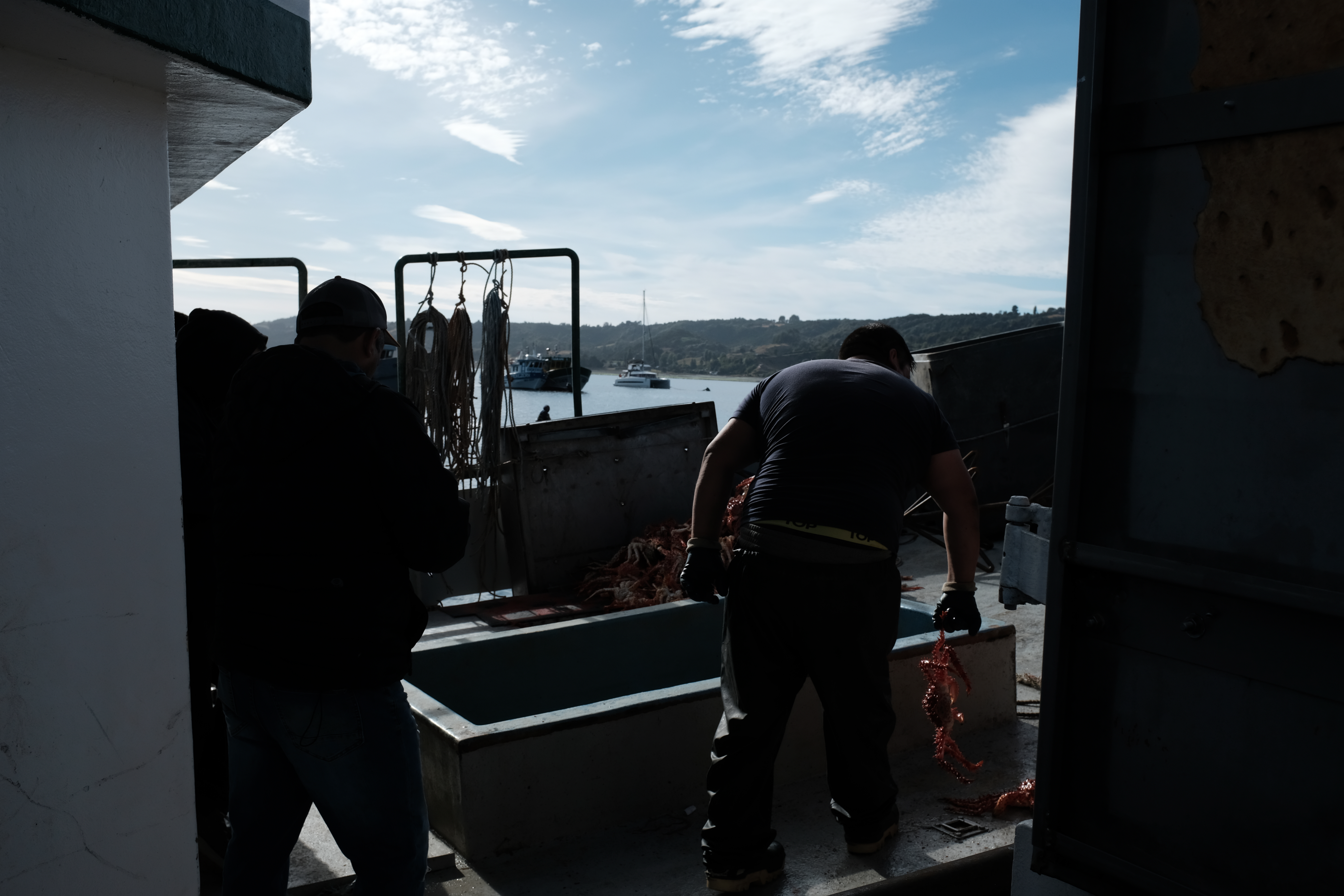
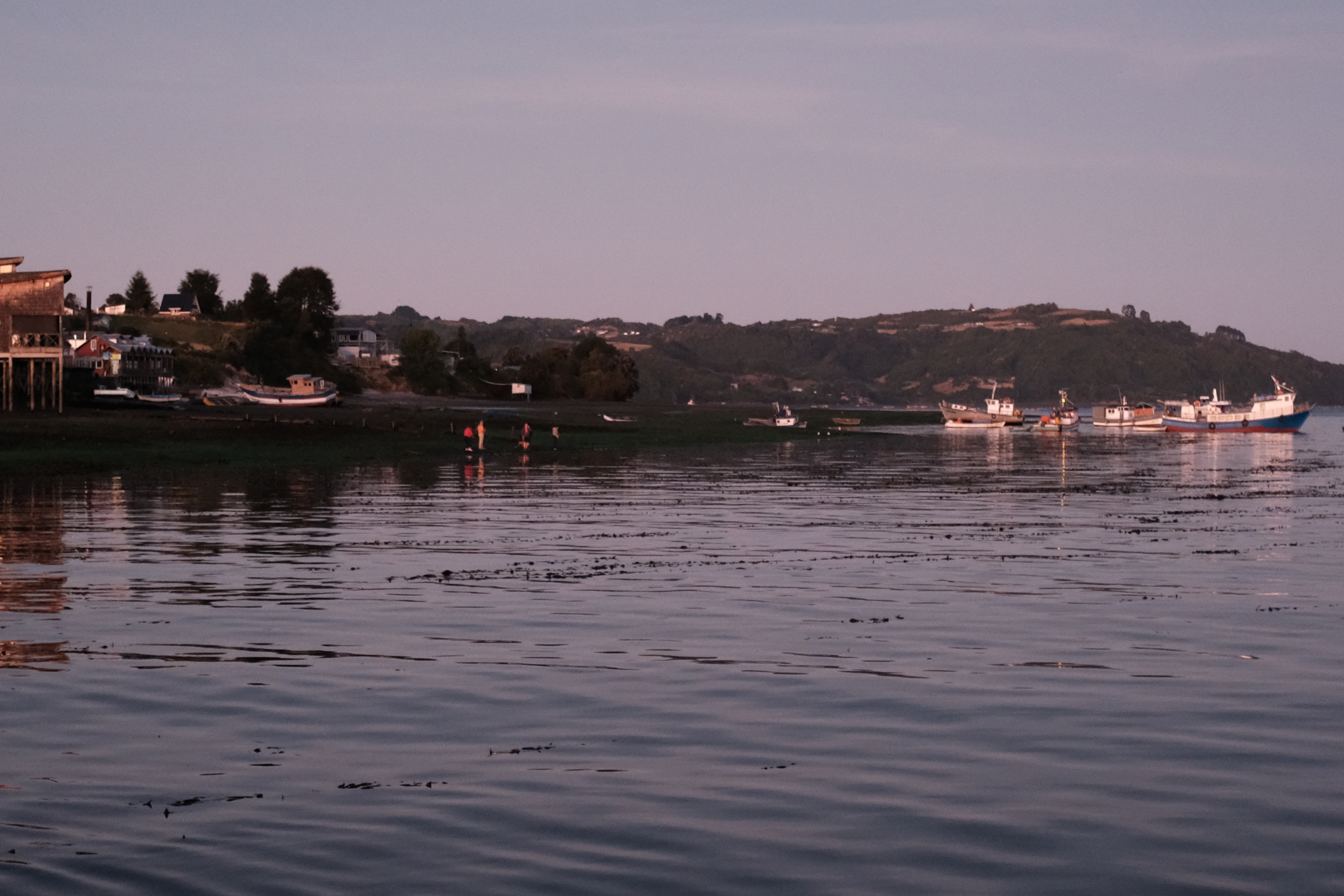
Additional photos from my reporting trip to Chile that didn’t make it into Patagonian paradise lost? The environmental hazards of farming fish in a warming world. Photo credit: Jessica McKenzie

Bulletin: Patagonian paradise lost? The environmental hazards of farming fish in a warming world

This story was supported by the Pulitzer Center and republished by Mother Jones as part of the Climate Desk collaboration

Comau Fjord is a sliver of sea framed by thickly forested mountain slopes. Melting glaciers peek between the crags. Waterfalls tumble down mountainsides, faint lines across vast expanses of gray rock. It is quintessential Chilean Patagonia, but in the austral summer of 2021, the narrow fjord filled with the smell of putrefying fish.

The salmon farms that populate the remote glacial fjord were in crisis. A massive algal bloom was suffocating salmon in their pens.

Boris Hernandez, a third-generation resident who lives in a house at the edge of the fjord, went out on the water for a closer look. He saw a boat sucking dead fish from one of the salmon farms and spewing pink liquid—a mix of seawater, liquified salmon remains, and algae—out the boat’s other side.

Hernandez contacted Thomas Montt, who had recently visited Comau Fjord and expressed concern about the proliferation of salmon farming operations in the area. A few days later, Montt came by boat with a photographer to document masses of dead salmon rotting in nets on the water.
“It was the biggest organic spill I had ever seen,” Montt recalled. “It’s something you can’t imagine. It’s hard to visualize the amount of organic garbage that was floating on the water and everywhere. It would go into the bathroom of the boat, it would go in the cooling system, it would go on your hands. Everything was oily, fishy, messy.”

That was early 2021. By April of that year, just one salmon company, Camanchaca, had lost 1.3 million fish—approximately 2,500 tons. By the end of the month, total losses in the fjord had reached 6,000 tons.

As bad as that sounds, it pales in comparison to 2016, when a red tide of algae killed approximately 27 million salmon in Chile, a staggering loss of more than 110,000 tons of fish. More salmon died in two weeks than would be expected to die in two years of normal production. Jose Miguel Burgos, the then-head of Sernapesca, the governmental office that oversees fishing and aquaculture, said the dead salmon could easily fill 14 Olympic-size swimming pools.

Read more…

Bulletin: Wildfires push air quality in East Coast cities almost off the charts

The East Coast was blanketed in smoke from wildfires in Canada this week. I can feel the burn and sting from the toxic smog in the back of my throat even now, after the air quality in Brooklyn has somewhat improved. My eyes became swollen, puffy, and irritated the morning after a masked walk.

In New York City, the Air Quality Index (AQI), a measure of air pollution and health safety risk, peaked at 484 on Wednesday evening, the highest ever recorded in the city. (The index only goes up to 500.) Philadelphia also surpassed 400.

Read more…

Bulletin: ‘Uncharted territory’: Warming oceans and disappearing sea ice alarm scientists

There has been a wave of new research and warnings related to the oceans and climate change this year. Little of the news is good.
Almost 90 percent of the heat added to the Earth system between 1971 and 2020 has gone into the ocean. When the sun shines, it warms the air, water, and soil. But the Earth also reflects and releases heat back into space. If the amount of incoming solar radiation is greater than outgoing radiation, then it creates an energy imbalance. And boy is our world out of whack.

Read more…