Putting the Quiet Dignity of the Wood Stork to Paper

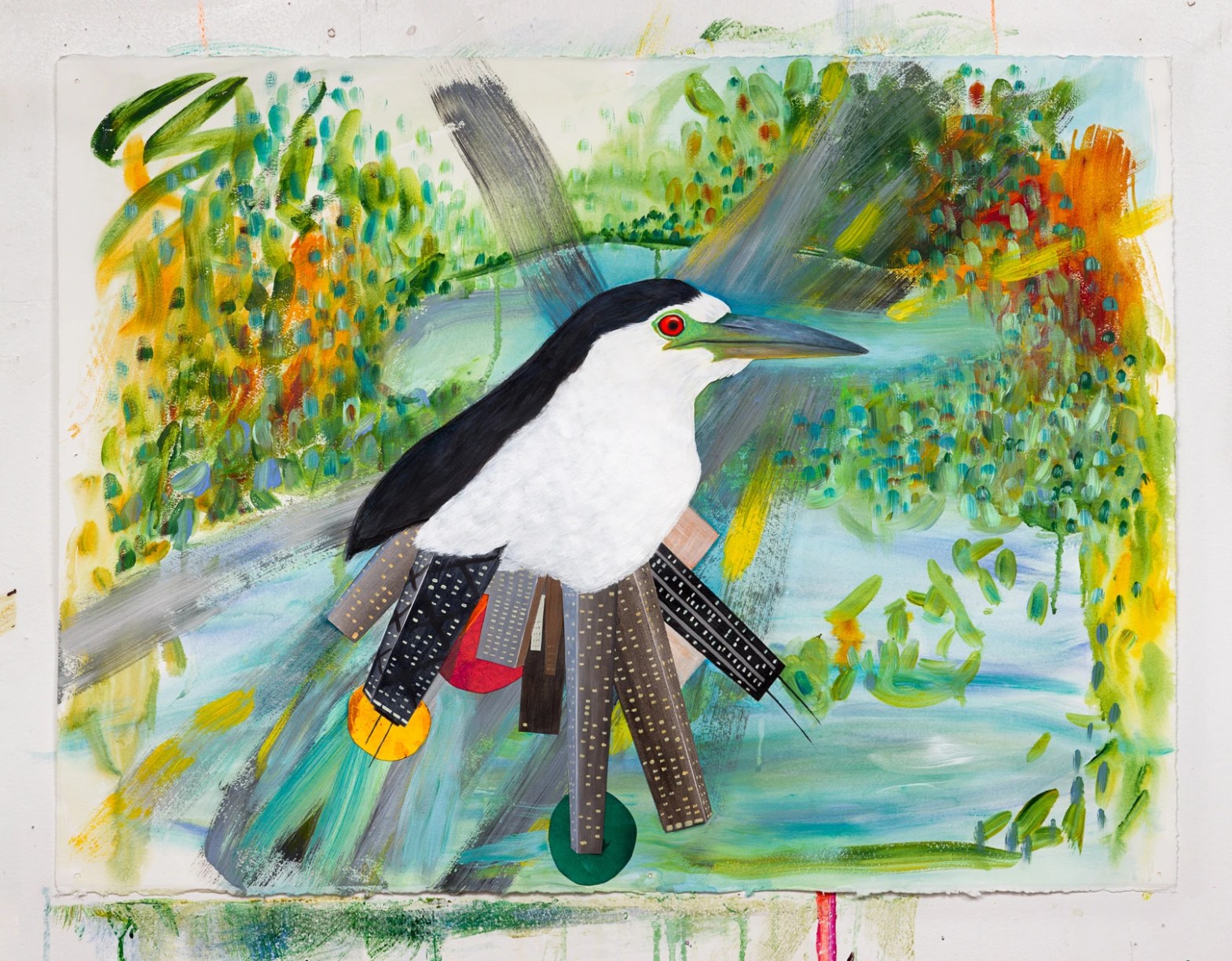
When Franna Lusson embarks on one of her wildlife portraits, she doesn’t bother with practice sketches. She dives right in on the final sheet of paper—drawing and redrawing in bold, expressive lines until she’s satisfied. “I work very instinctively and intuitively,” explains the Bay Area-based artist. “That’s why I erase so much, because I just have to work it until I get it right—until I can live with it.” Her mixed-media pieces aim to capture not only physical characteristics, but also what she calls the “elemental aspect” of an animal, or the feeling it evokes.

Although Lusson had never even seen a photo of a Wood Stork before she began researching them for The Aviary, she was instantly taken by the bird’s distinctive presence. The large wader—the only stork native to North America—has mostly white plumage and a bare, scaly head and neck. “I wouldn’t call Wood Storks pretty birds, but I just loved them,” she says. “It’s not like an everyday bird that you’d see in the neighborhood.”
Read more…

The Hidden World of the American Oystercatcher


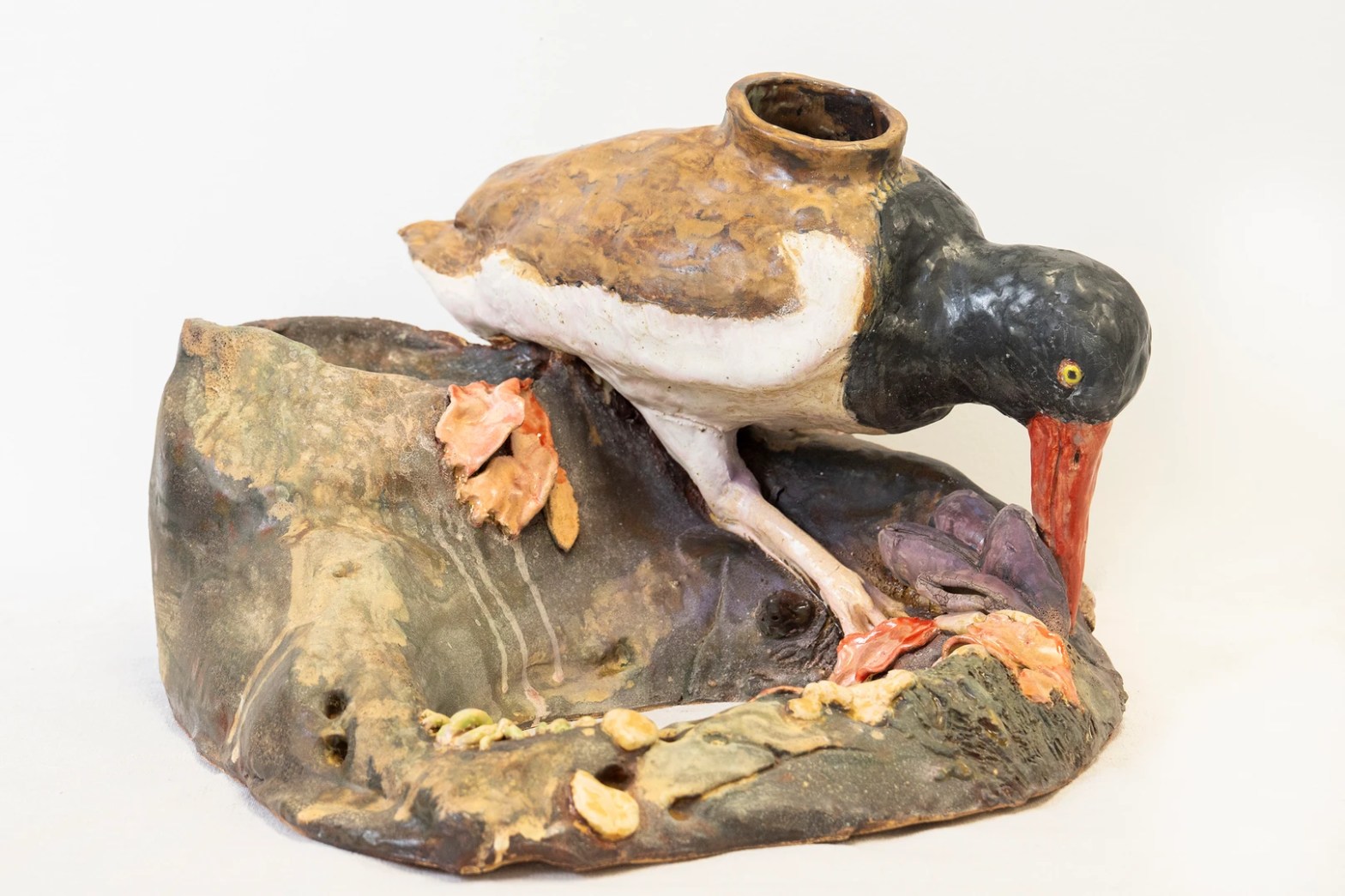
Sculptors often spend a lot of time with their subjects, but Rachel Frank takes that connection to another level. As a rehabilitator at the Wild Bird Fund in Manhattan, she’s cared for an array of creatures that live in or pass through the city, including rodenticide-poisoned owls, kestrels injured by cats, and diseased hawks. Her intimate knowledge of wildlife infuses the ceramic sculptures she creates in her Brooklyn studio.

Read more…

Audubon: This Bar-tailed Godwit Decoy Delivers Folk Art with a Contemporary Feel

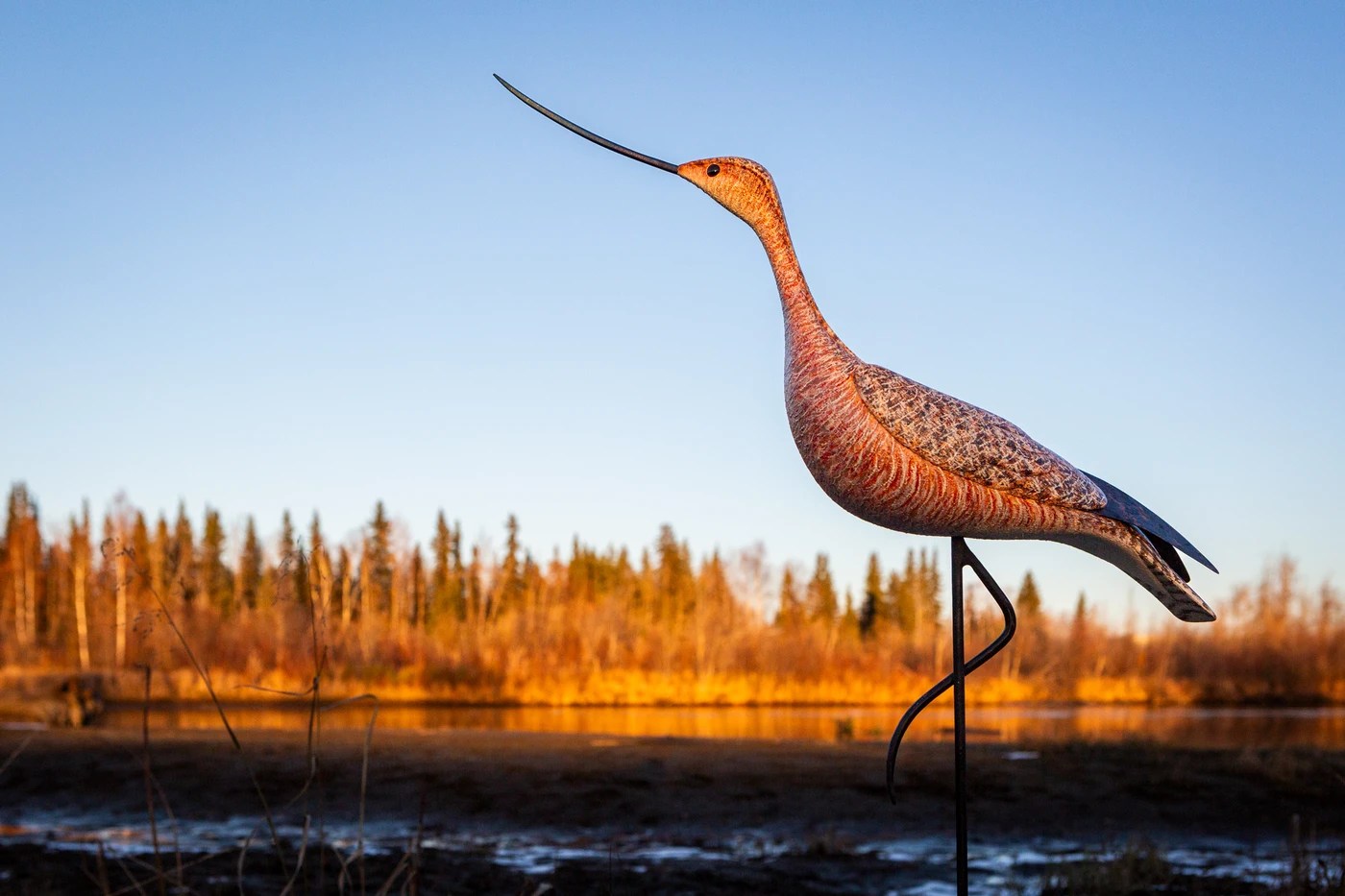
By the time artist David Personius was growing up in the 1950s, carved wooden bird decoys were largely a thing of the past—collector’s items for folk art aficionados like his dad. European settlers, inspired by Native Americans creating avian replicas out of natural materials to attract live birds, picked up the practice of carving fake fowl. Those decoys became a vital tool for commercial hunting in the 1800s, a trade that slashed migratory bird populations and helped drive the Passenger Pigeon to extinction before the practice was banned. Eventually, the invention of plastic decoys for sport hunting in the 20th century made the handmade versions obsolete. But folk artists like Personius have kept the tradition alive.

Personius carved his first few decoys for personal use when he went duck hunting with his dad. He turned the hobby into a career after graduating from college in the 1980s, and spent a decade selling meticulously crafted shorebirds at art fairs and waterfowl shows across the country. “I feel fortunate that I was at it long enough and had enough experience and talent to create my own little style,” he says. Unfortunately, it was also a hard way to pay the bills—so Personius set his carving tools aside to work in publishing, then in horticulture. He finally returned to the craft 14 years ago, now living in Fairbanks, Alaska.

Read more…

Audubon: The Black-crowned Night-Heron’s Unlikely Refuge

Growing up in the steel mill corridor near Chicago, artist Lauren Levato Coyne was surrounded by waterbirds. They lived in the marshes and swamps, even as crisscrossing highways and railroads increasingly encroached upon their habitat. Levato Coyne drew on that landscape—“all the birds, the sounds, the smells”—while creating this portrait of the Black-crowned Night-Heron.

Read more…