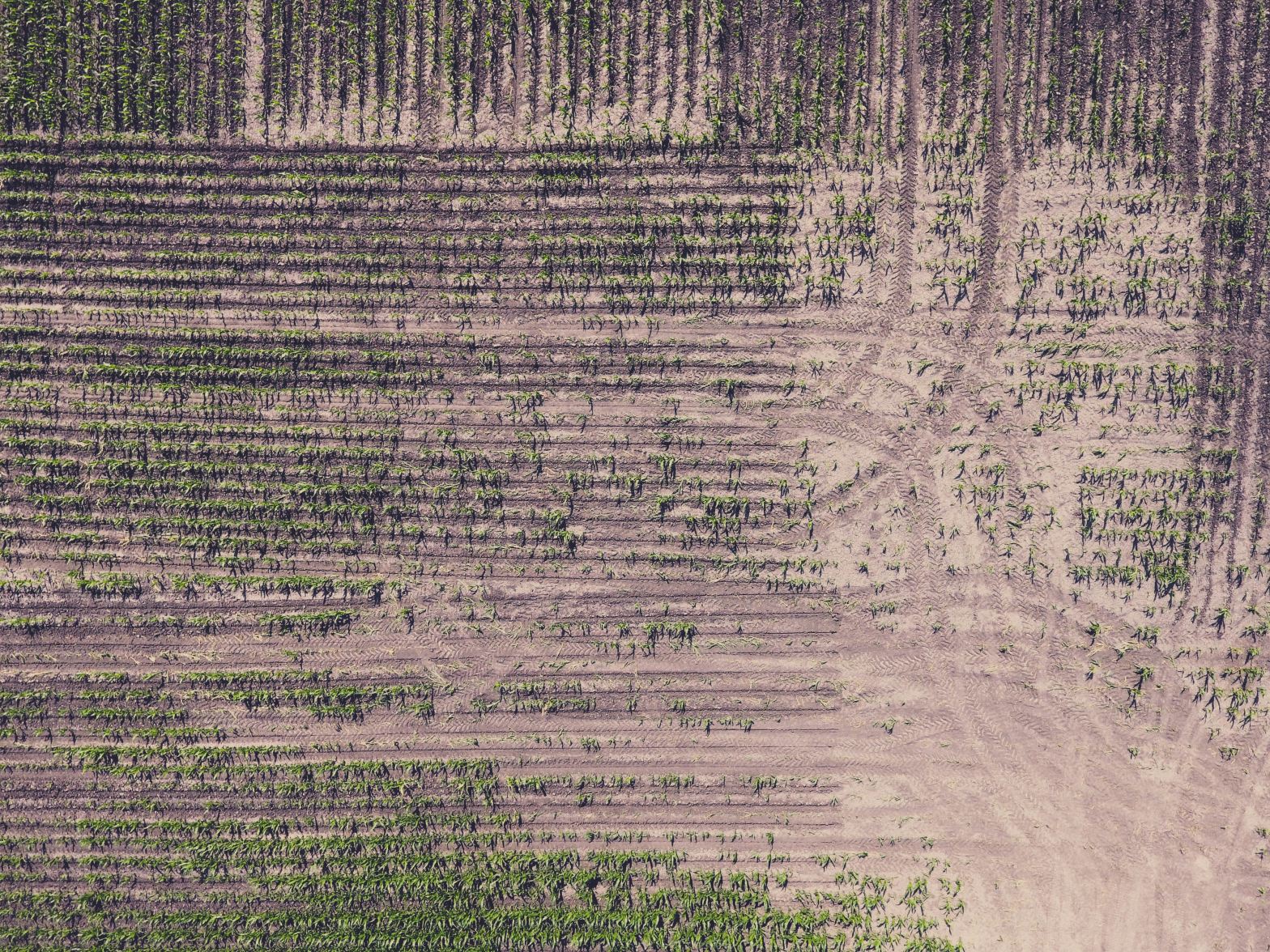
New Food Economy: Regenerative agriculture could save soil, water, and the climate. Here’s how the U.S. government actively discourages it.

Cover crops and other regenerative agriculture practices are still pigeonholed as conservation practices, not as good farming practices. But if farmers want crop insurance, they have to play by the rules.

Last year, a few days before Christmas, Gail Fuller drove me out to the middle of a wind-whipped field just north of Emporia, Kansas. “This is really where it started for me,” he said as he climbed out of the truck, spade in hand. With a thunk, he drove the spade into the ground and pulled out a hunk of earth, holding it up so I could see the texture, which he described as like “chocolate cake” and “black cottage cheese.” Read more…
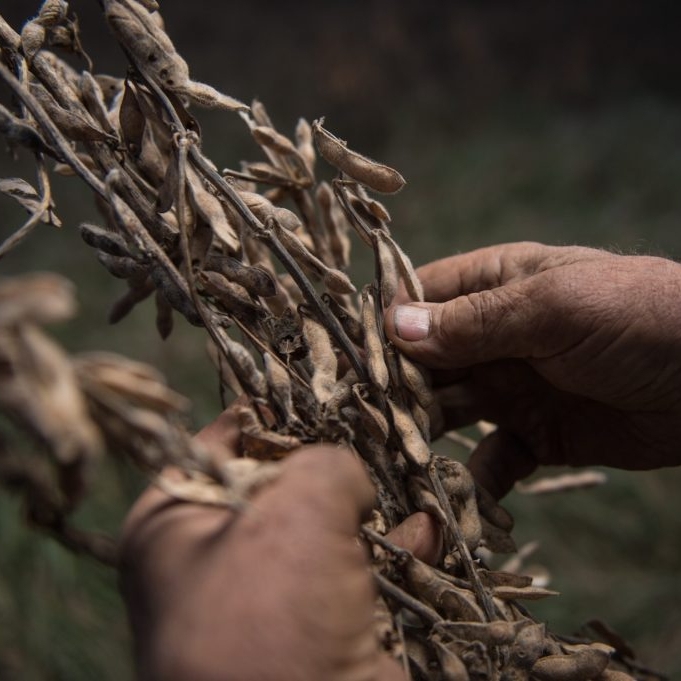
New Food Economy: The explosive dominance of soy over a century went unnoticed by most Americans—except for those growing it.

They were a fixture of the landscape as I was growing up, but I never stopped to wonder why that might be, or whether that might ever change. At least, I didn’t until soybeans began making headlines earlier this year. 

It’s a late weekday afternoon when I get the call inviting me to come ride. I quickly throw on jeans and boots and several layers to shield against the November chill. It’s a short drive, but when I pull off the road, the combine is already going full tilt, three to five miles per hour. Soon enough the John Deere is bearing down on me, towering 14 feet tall and nearly twice as wide, spitting out a cloud of dust that trails in its wake like smoke. I throw my hands up in greeting, and alarm. Read more…