Bulletin: Scrap solution: Burning tires to mine bitcoin

A bitcoin mine located at a waste coal power plant in Pennsylvania wants to add a new fuel to its power generation mix: scrap tires.

Stronghold Digital Mining describes itself as an “environmentally beneficial” bitcoin miner. But during a virtual press conference on Monday, Russell Zerbo, an advocate at Clean Air Council, said the facility, Panther Creek, had received at least seven air quality violations since it was acquired by the cryptocurrency mining company in 2021.

The press conference brought together representatives of local and national environmental organizations, including Earthjustice and PennFuture, along with residents of Carbon County—where the plant is located—to ask the Pennsylvania Department of Environmental Protection to reject Stronghold’s permit application for this new fuel source.

Read more…

Bulletin: From Montana fires to floods in Vermont: Interview with a climate migrant

This week Vermont (as well as parts of New York and Massachusetts) saw heavy rainfall resulting in catastrophic flooding in the state capital and other low-lying towns across the state. One man drowned in his home; hundreds of others were rescued or evacuated. The full extent of the damage to infrastructure and personal property will not be known for some time, and more rain is forecast for this weekend.

State climate assessments have already found that, because of climate change, Vermont is getting wetter: Precipitation is up 21 percent since the beginning of the 20th century, and the state sees almost two and a half more days of heavy precipitation annually than in the 1960s. Consequently, the state is at an increased risk for damaging rainfall and flooding. And yet Vermont has for several years now been positioning itself as a refuge for people looking to escape the worst ravages of the climate crisis.

“Climate change could be, in some ways, beneficial to Vermont,” Republican Gov. Phil Scott said in 2017. “When we’re seeing some of the activity in California today with wildfires and the lack of water in some regions of the country, if we protect our resources, we could use this as an economic boom in some respects.”

While events this week have underscored the reality that there is no escaping the climate crisis, it is true that people have moved to Vermont because the state is perceived to be safer than other places. Zack Porter, the co-founder of a regional environmental nonprofit called Standing Trees, chose to move with his family from Montana to Montpelier, Vermont, in 2018 to get away from the long wildfire seasons out West. The Bulletin reached out to Porter to ask him about experience as a voluntary climate migrant, and about his hopes and dreams for how Vermont will recover and rebuild from this disaster.

Read more…

Bulletin: Don’t call toxic wildfire smoke on the East Coast the ‘new normal’

A haze of wildfire smoke drifting down from Canada blanketed the Catskill Mountains in the days leading up to the recent holiday weekend. The air quality levels displayed in my weather app hovered between 100 and 200 on the US air quality index—not as bad as it had been a month before, but still unhealthy, especially for sensitive groups. Although my friends and I had come up for a long weekend in the fresh country air, we kept the doors shut and the windows closed tight, venturing out only for short periods until a front blew most of the smoke away.

Expect more days like those, New York Governor Kathy Hochul warned.

“There is no end in sight,” Hochul said on June 29. “This is the new normal for New Yorkers.”

Read more…
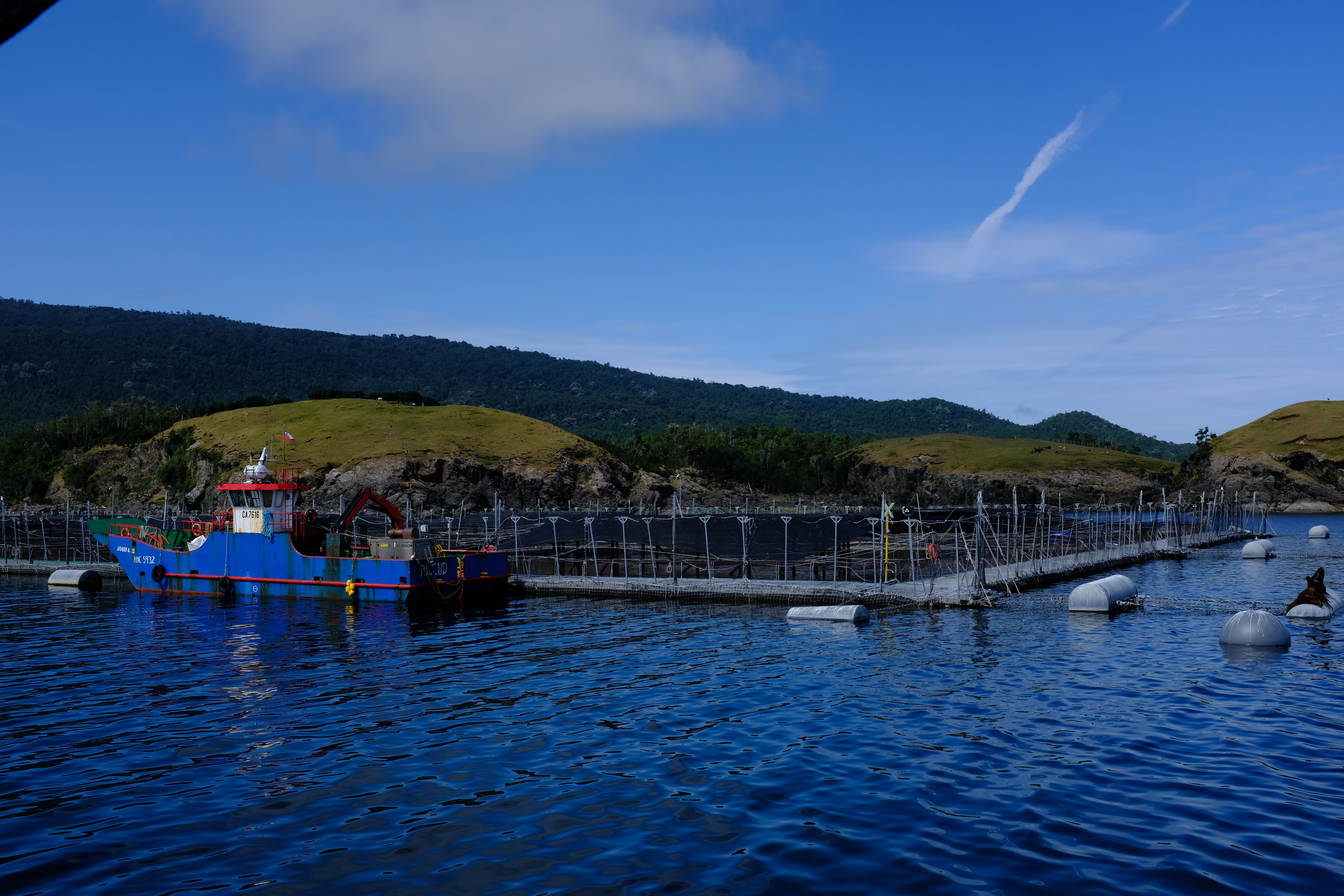
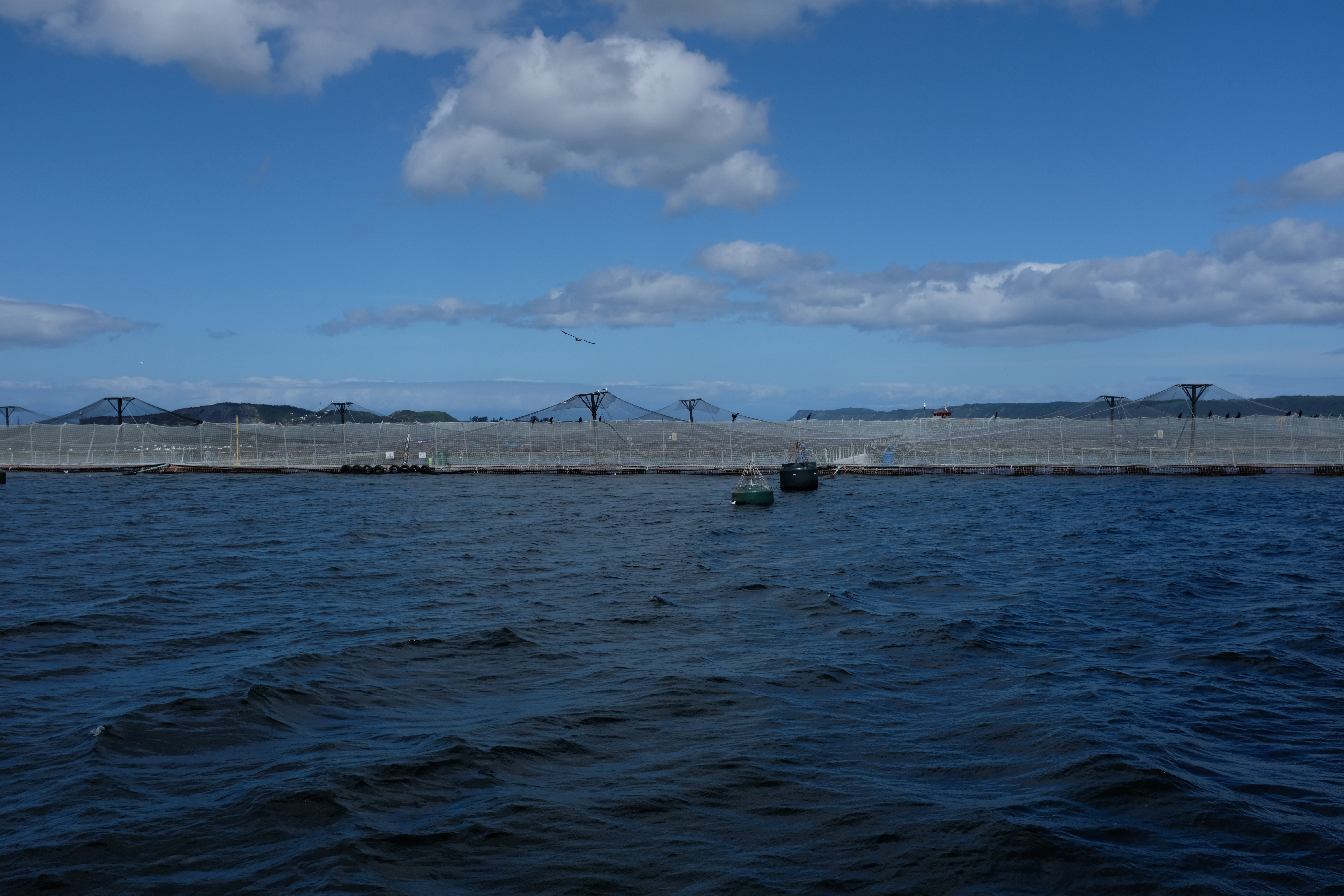
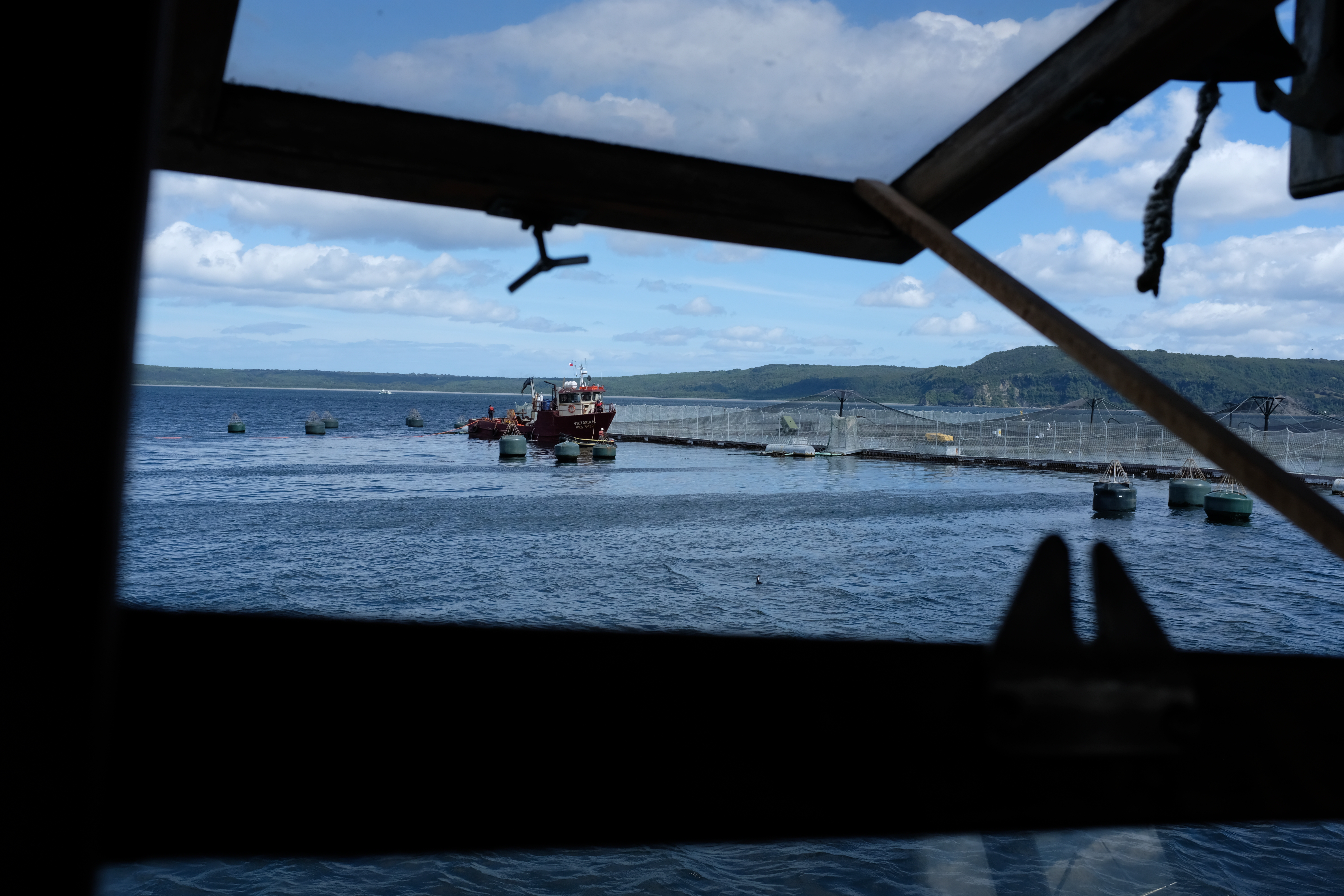
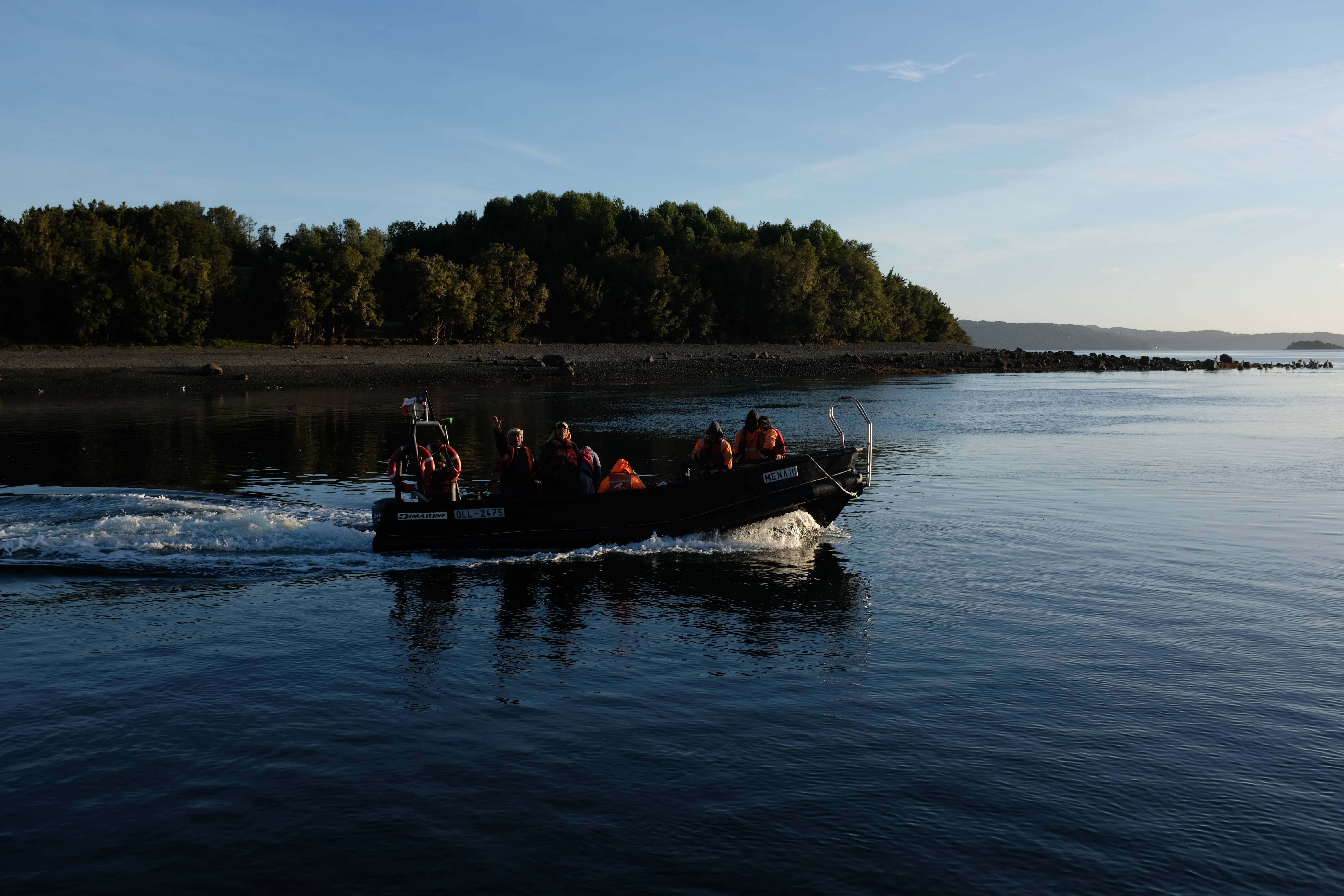
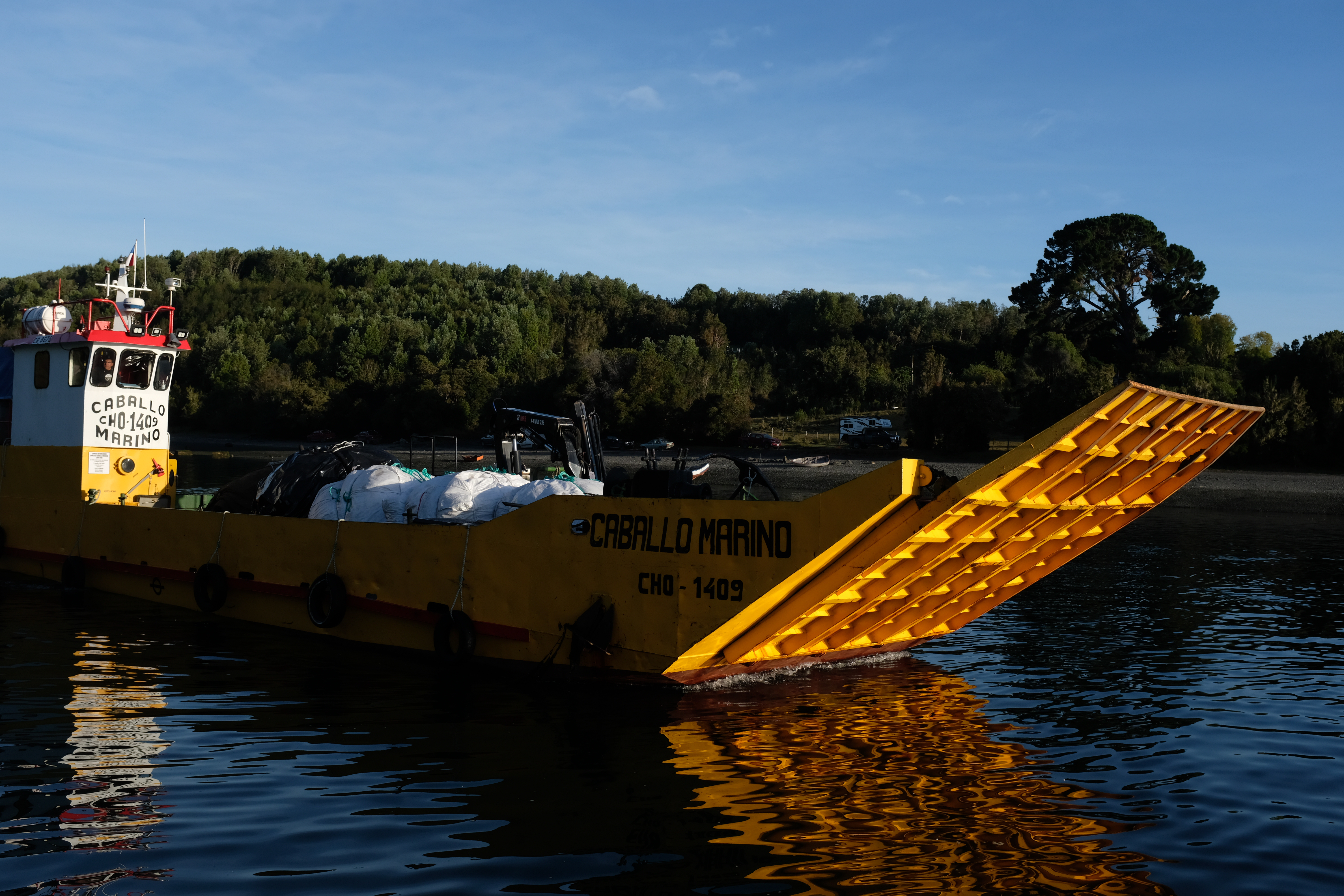
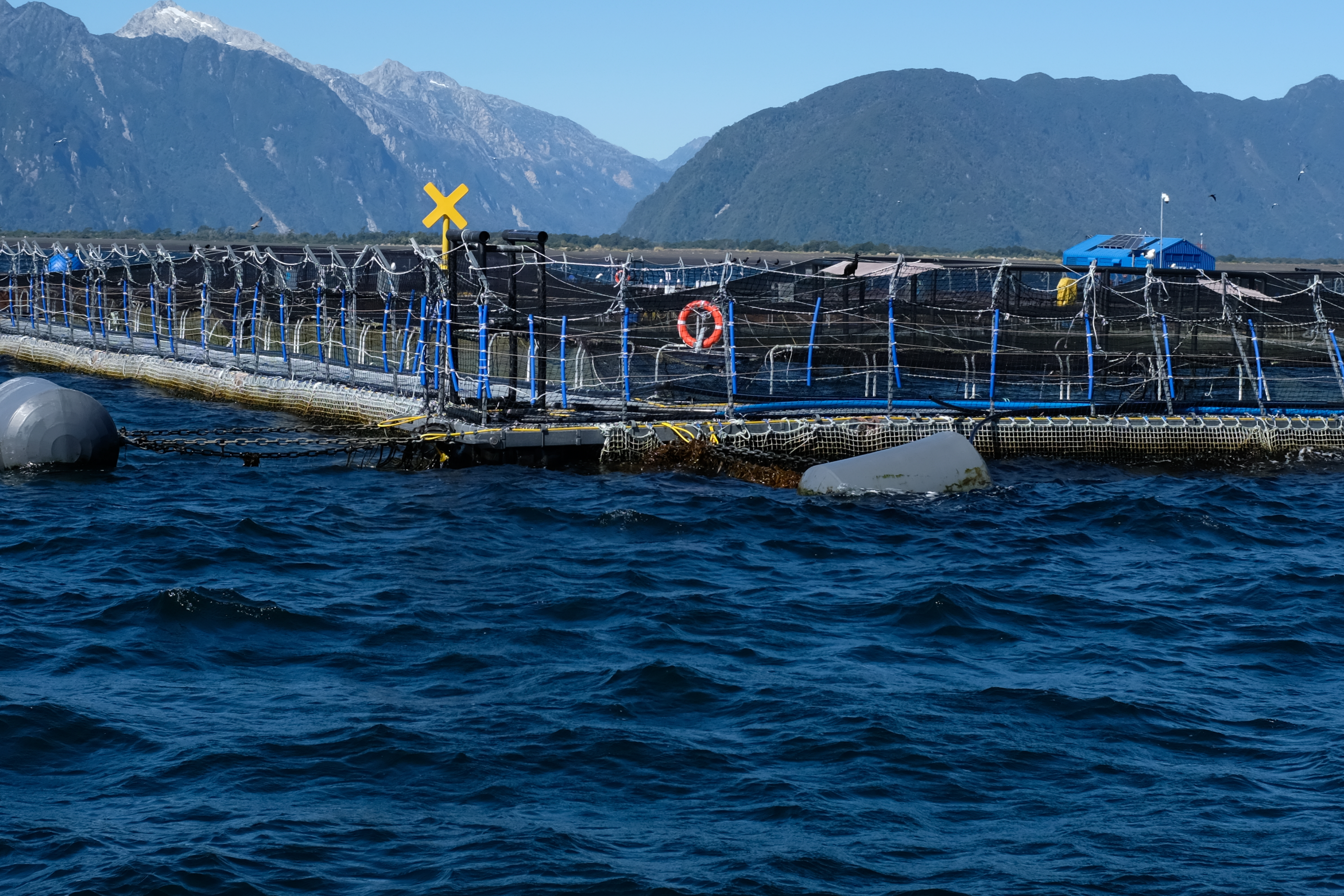
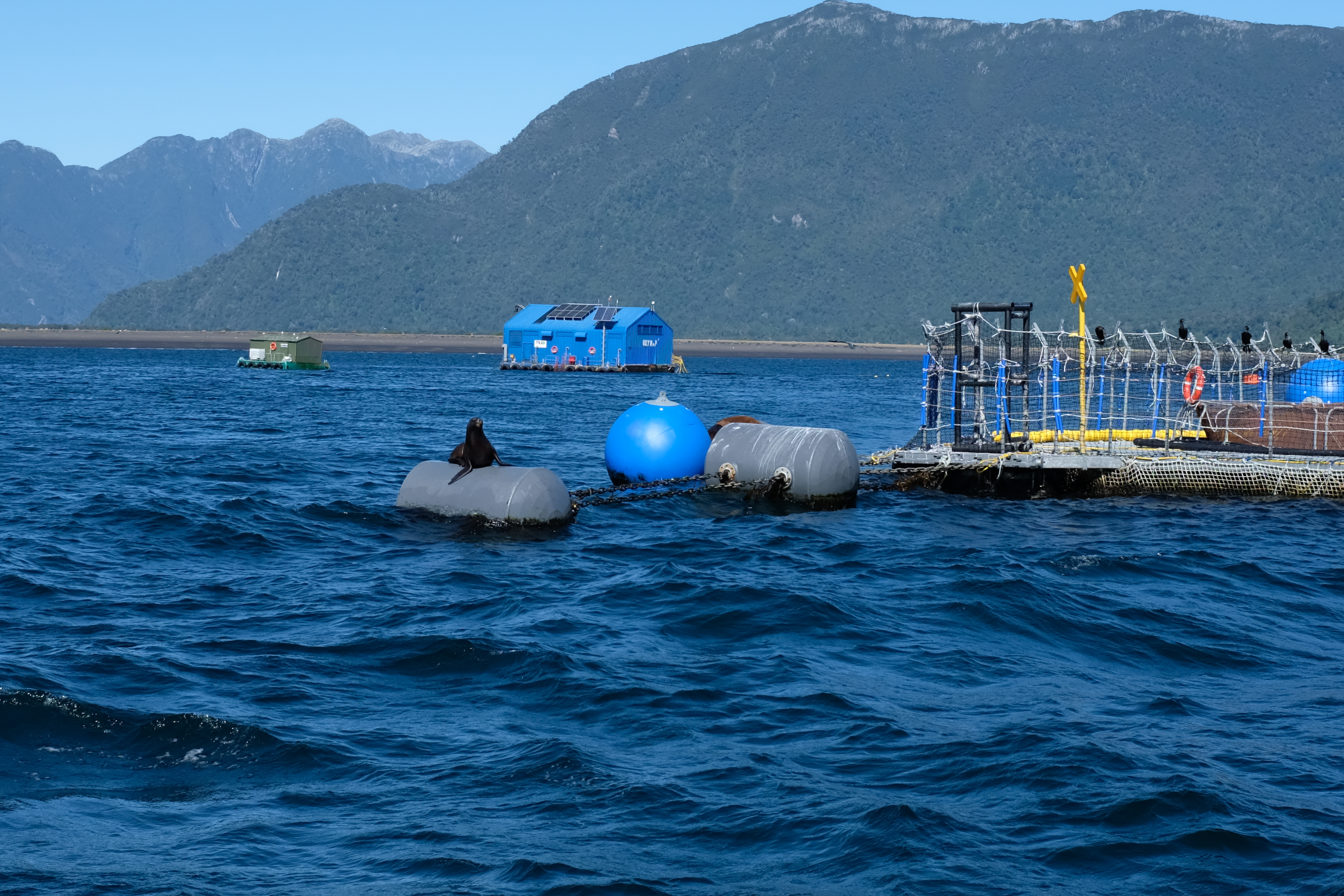
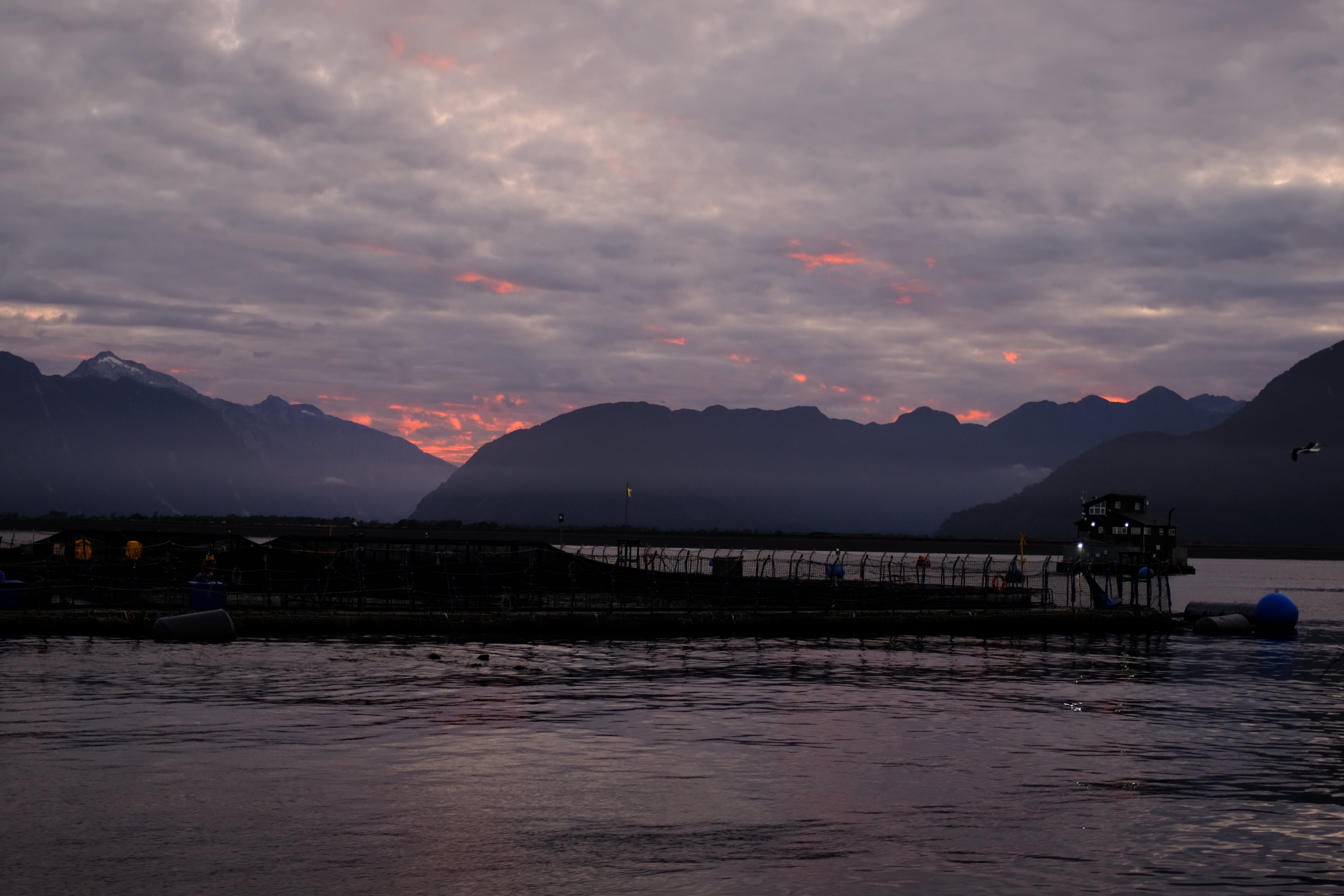
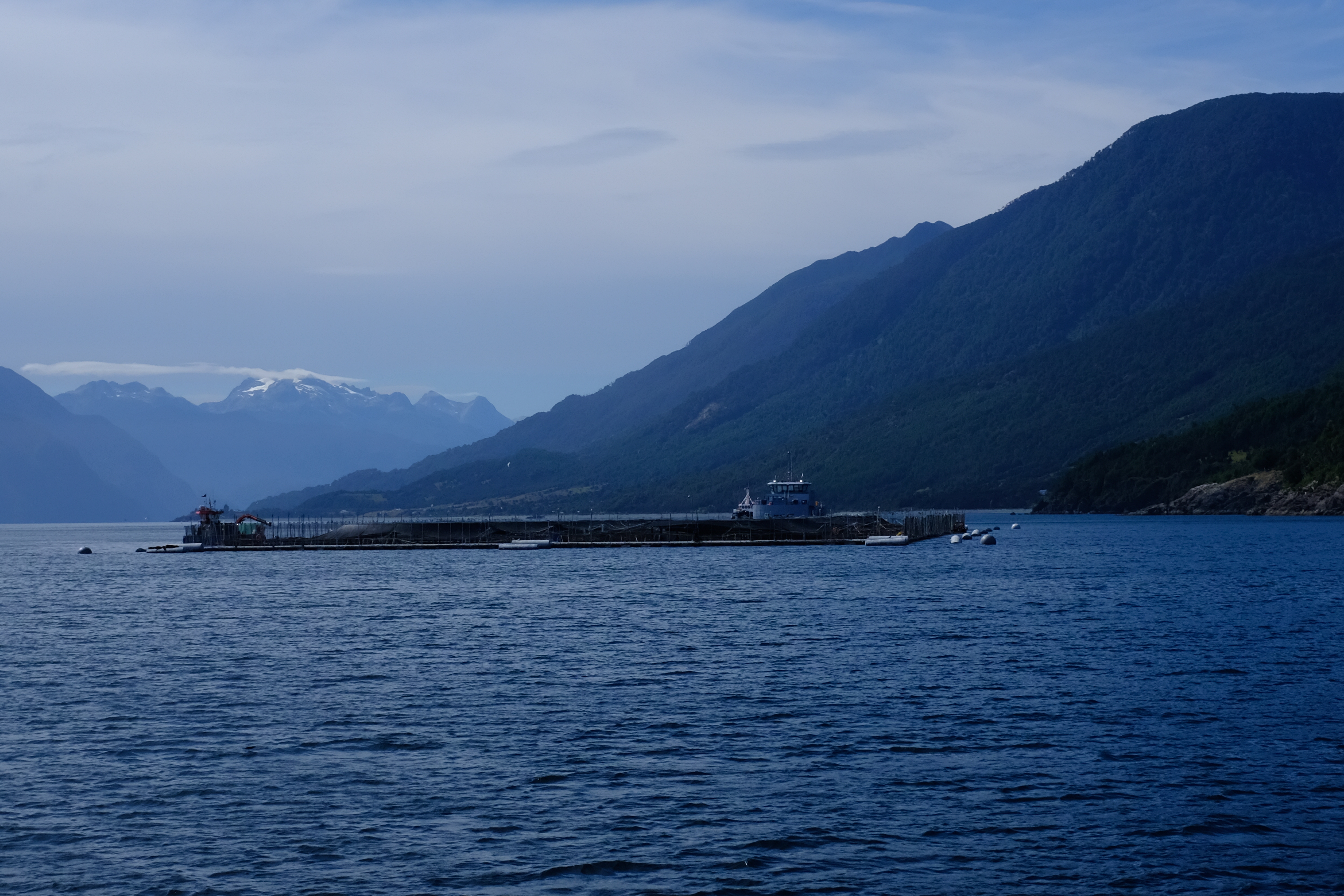
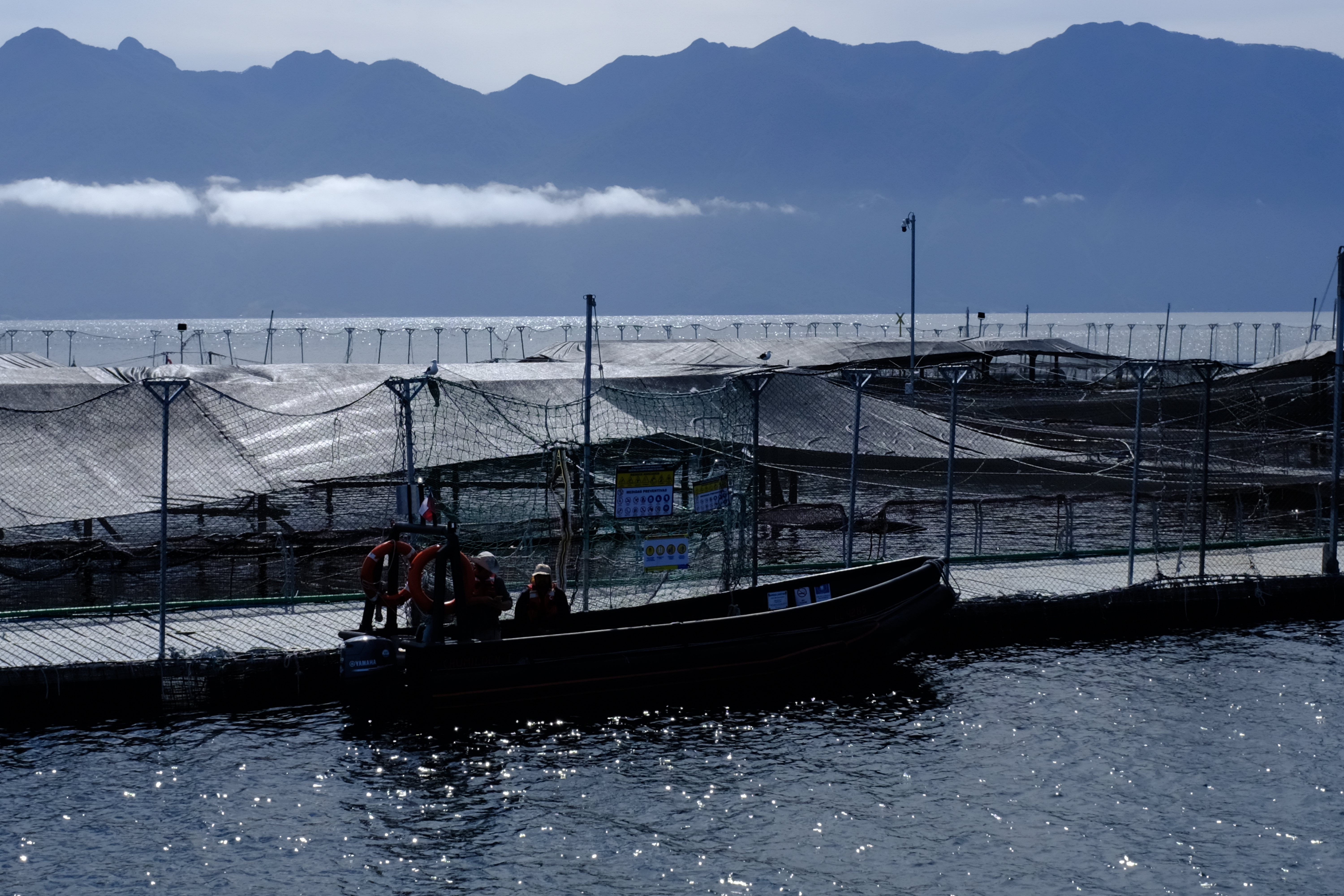
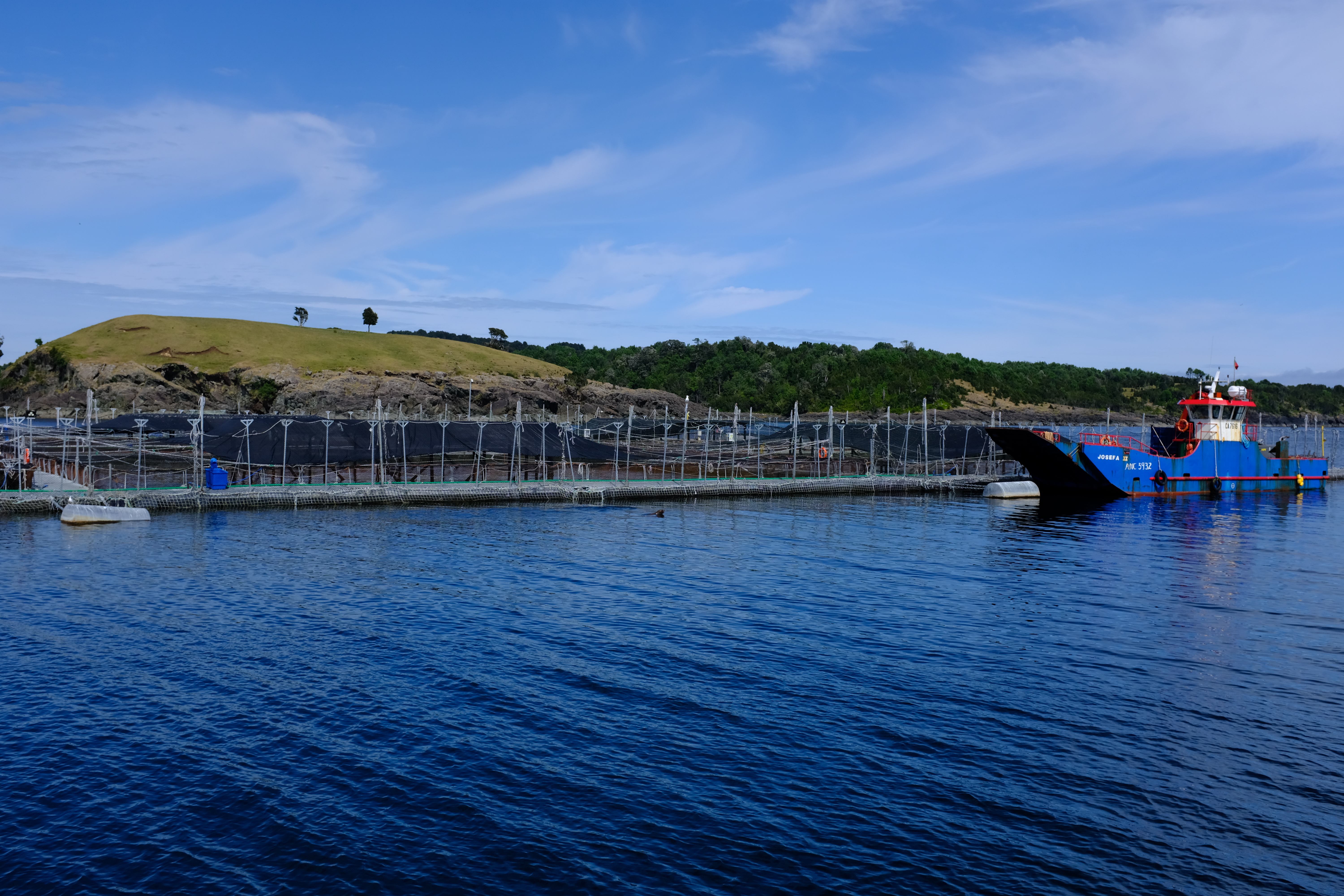
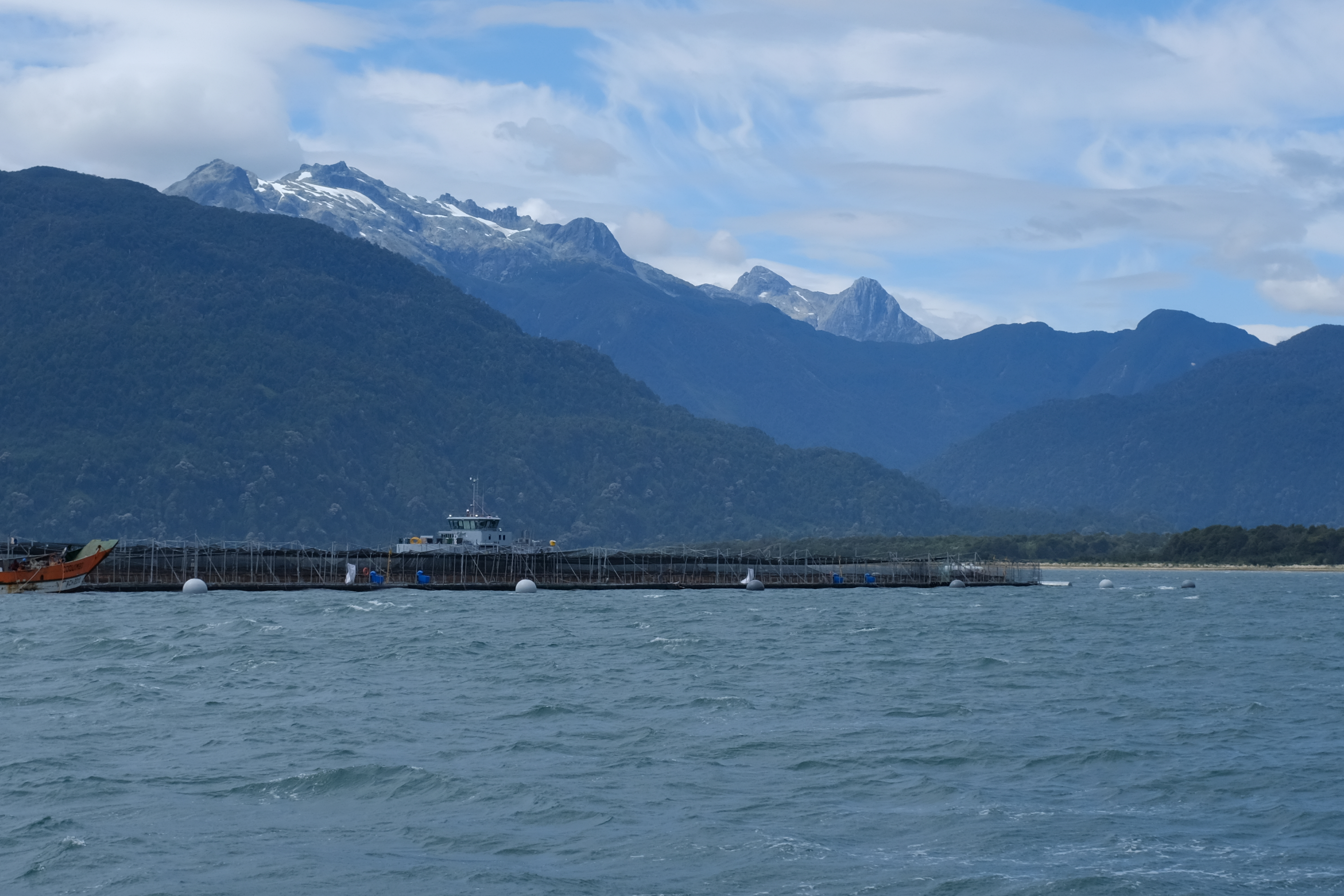
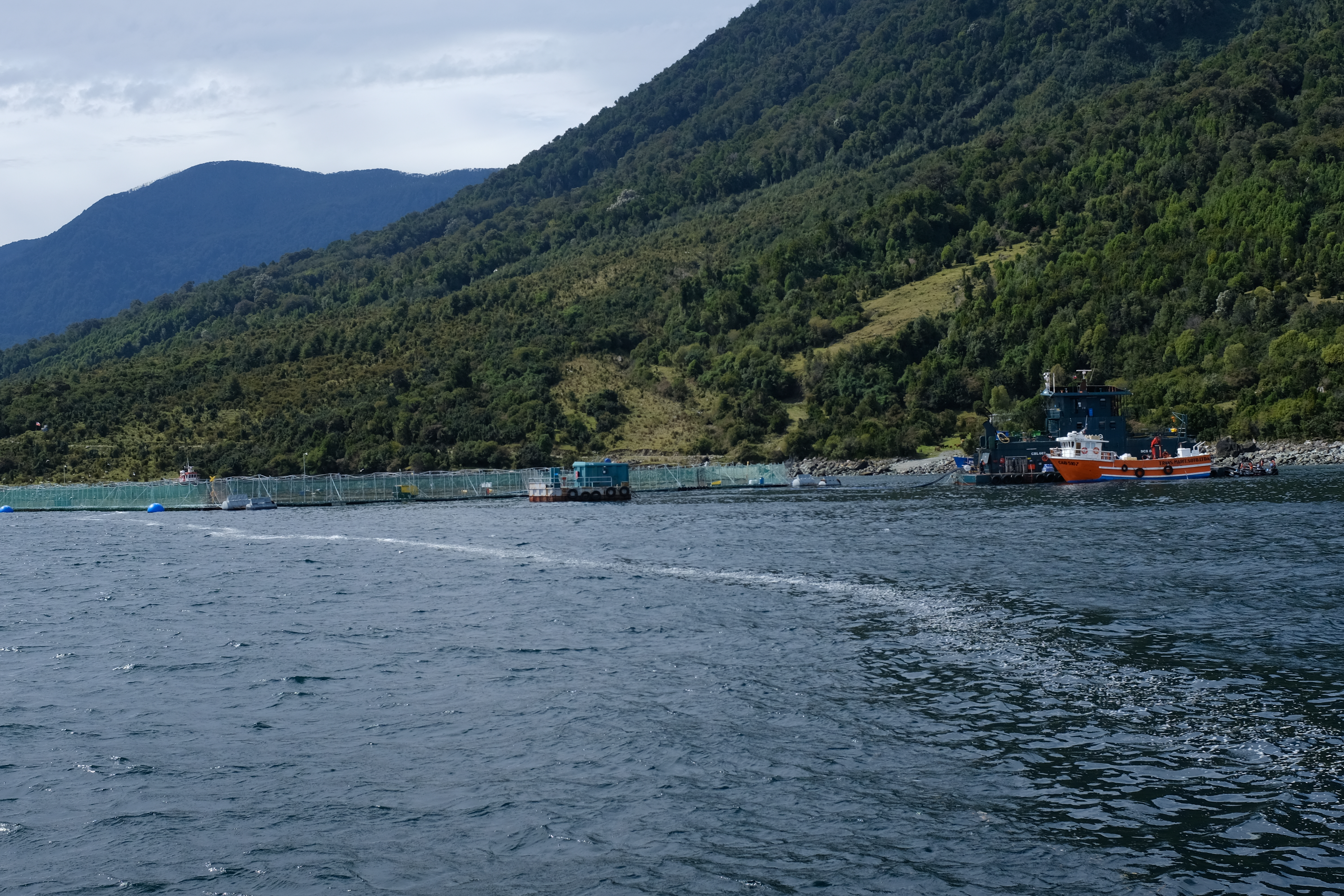
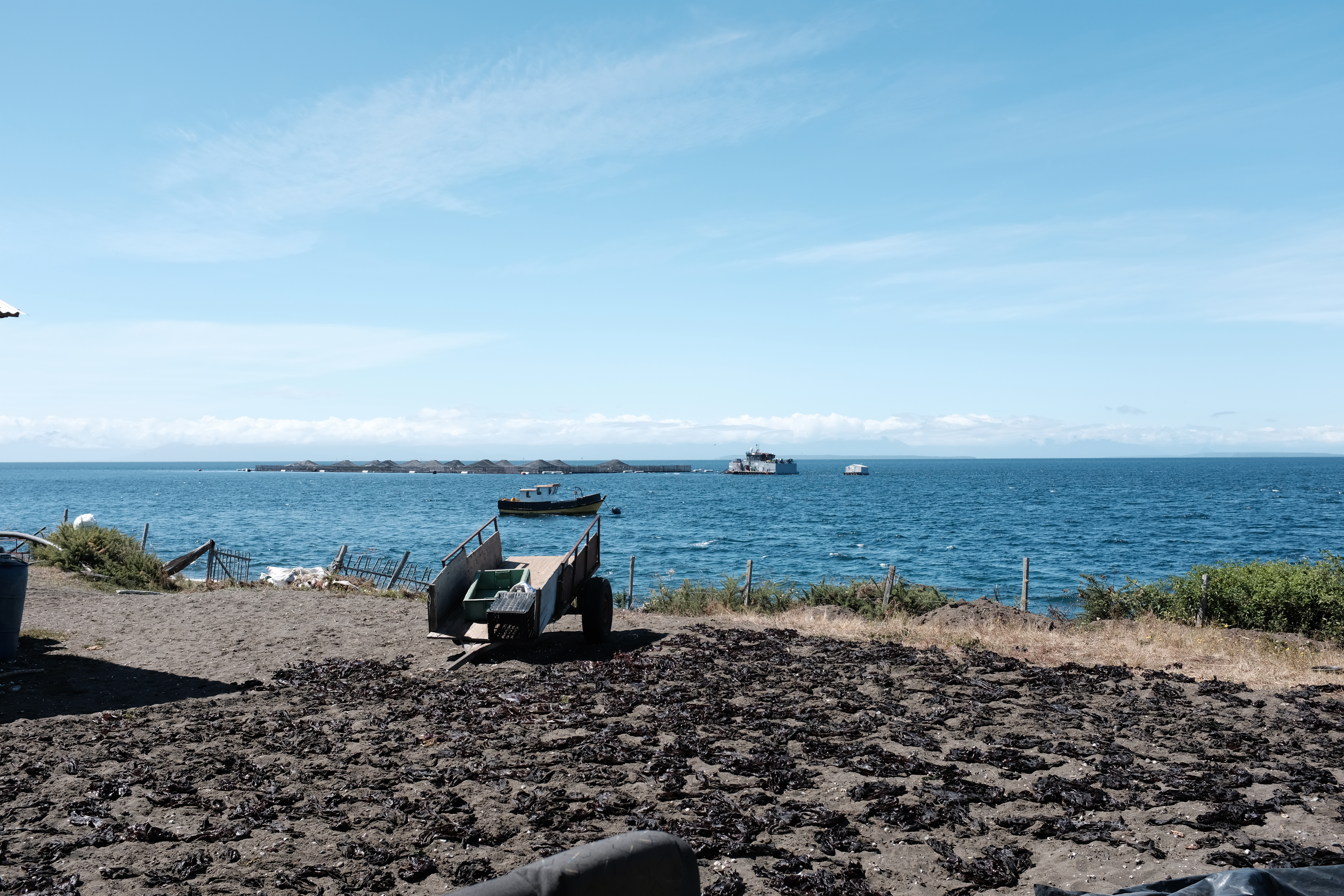
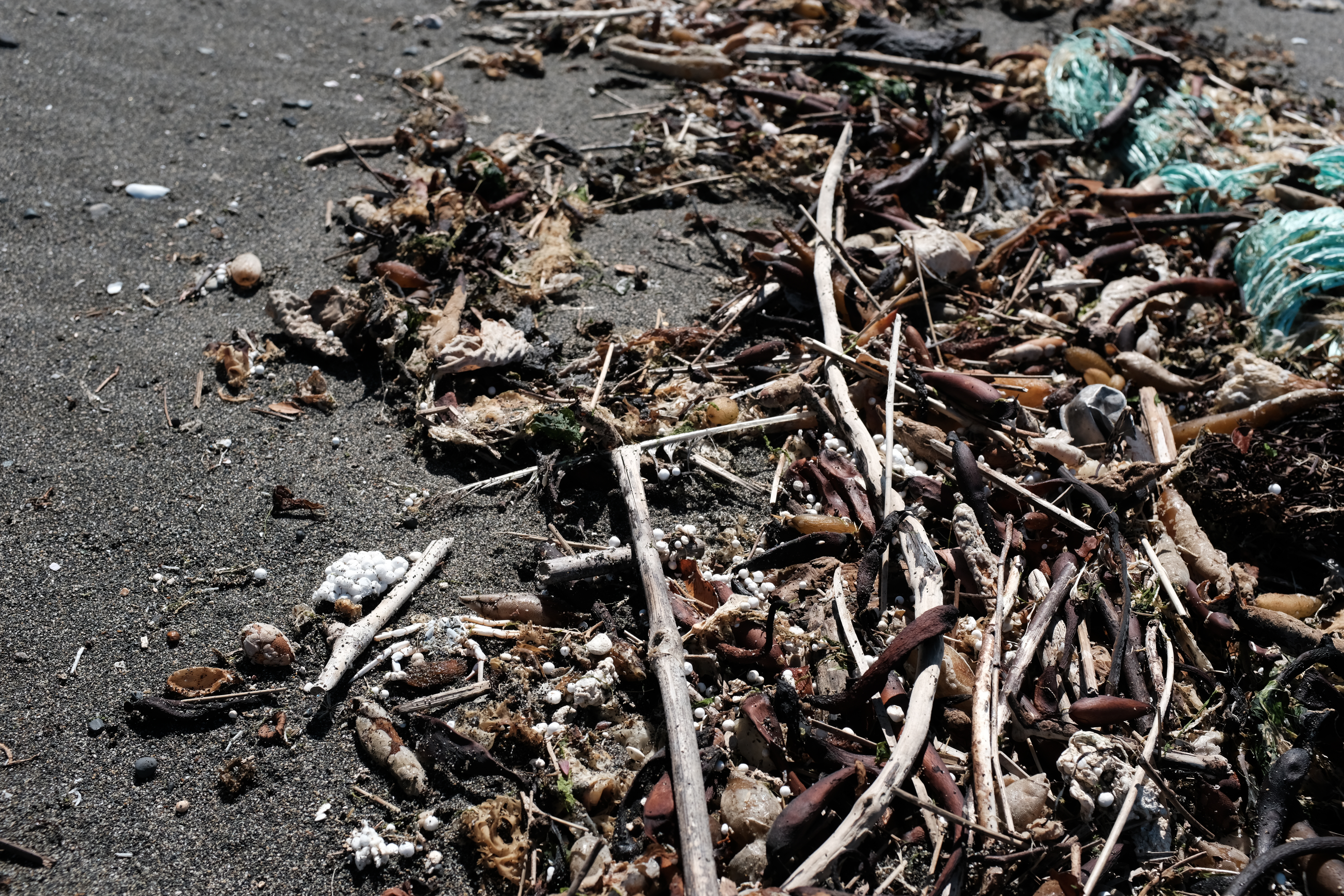
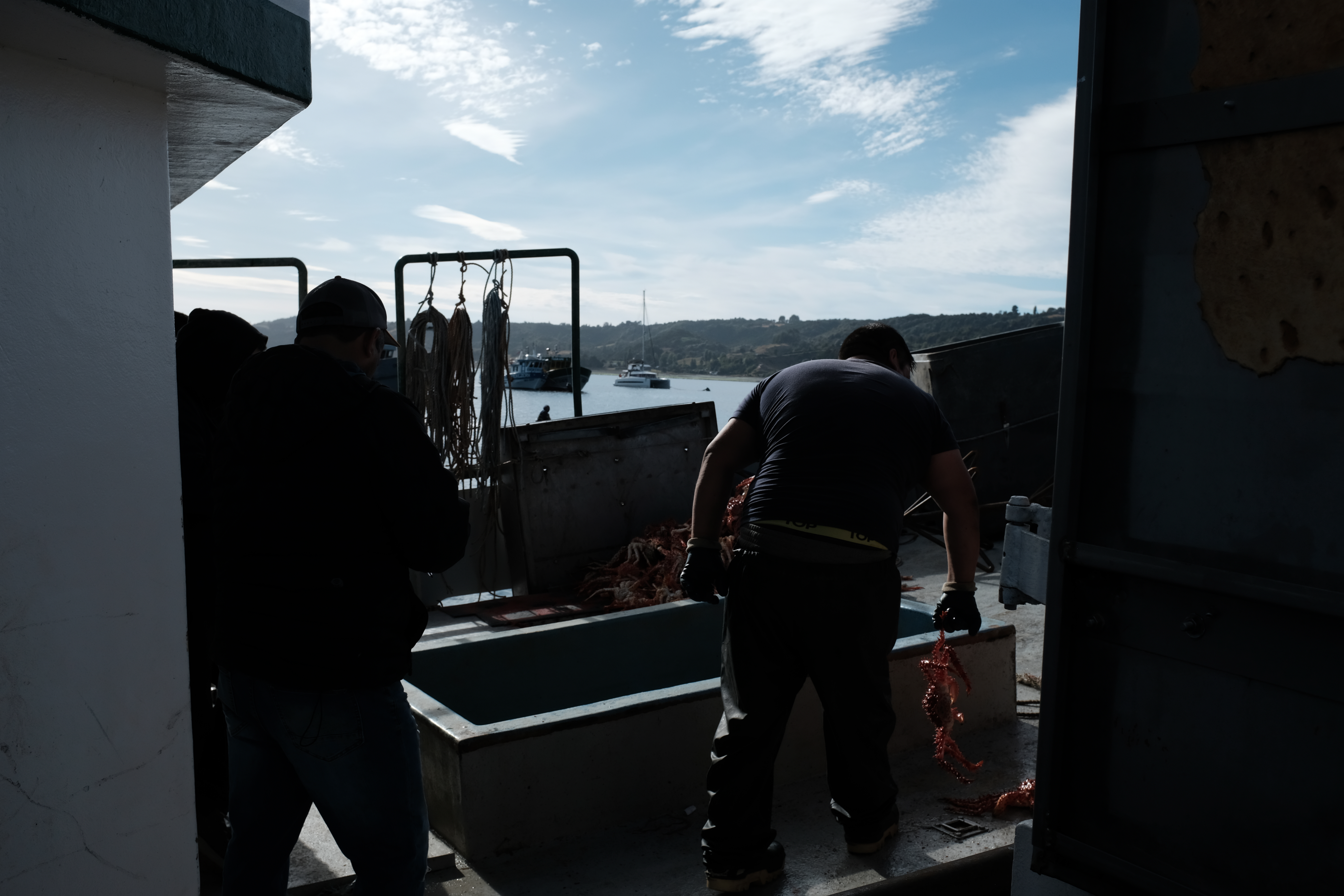
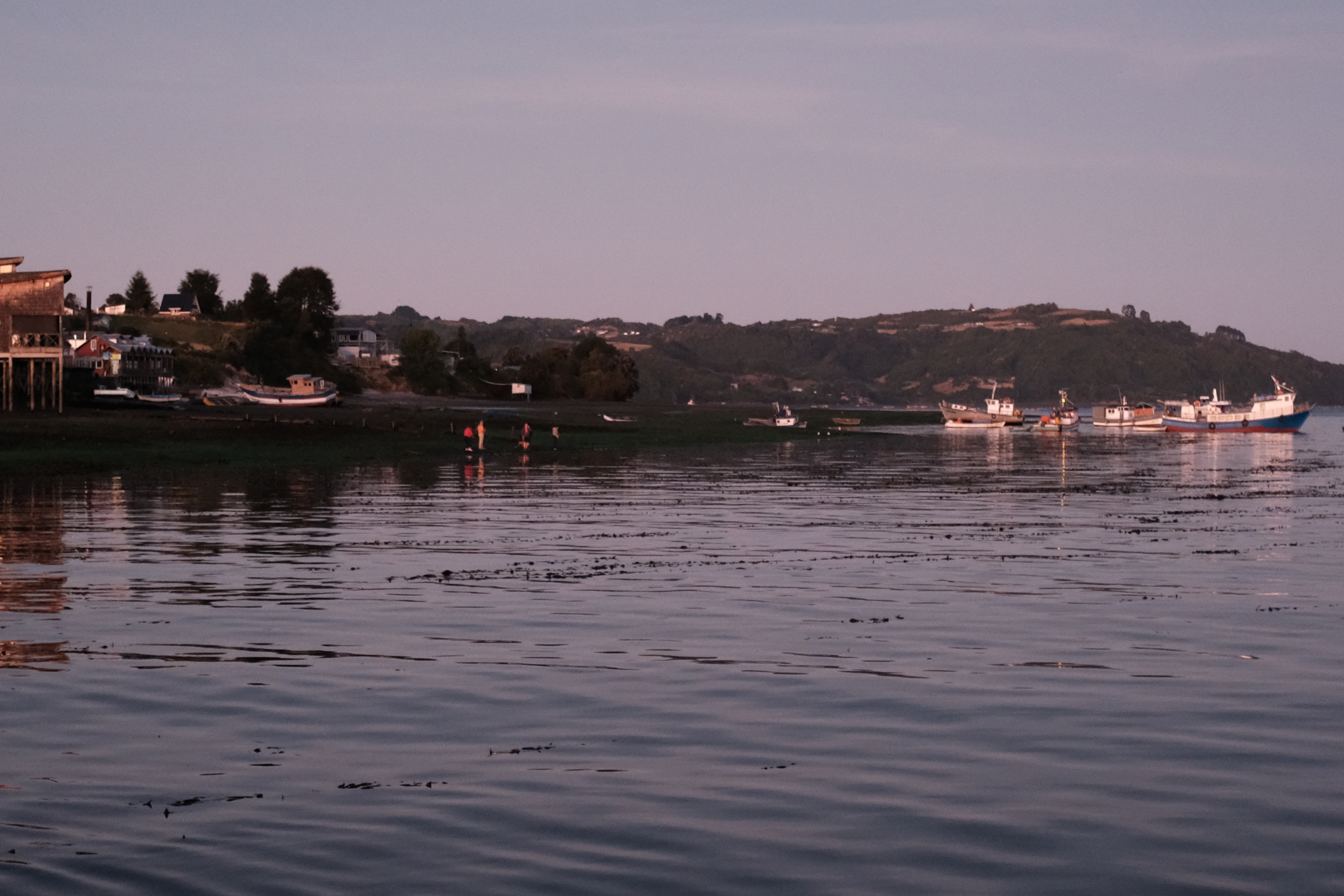
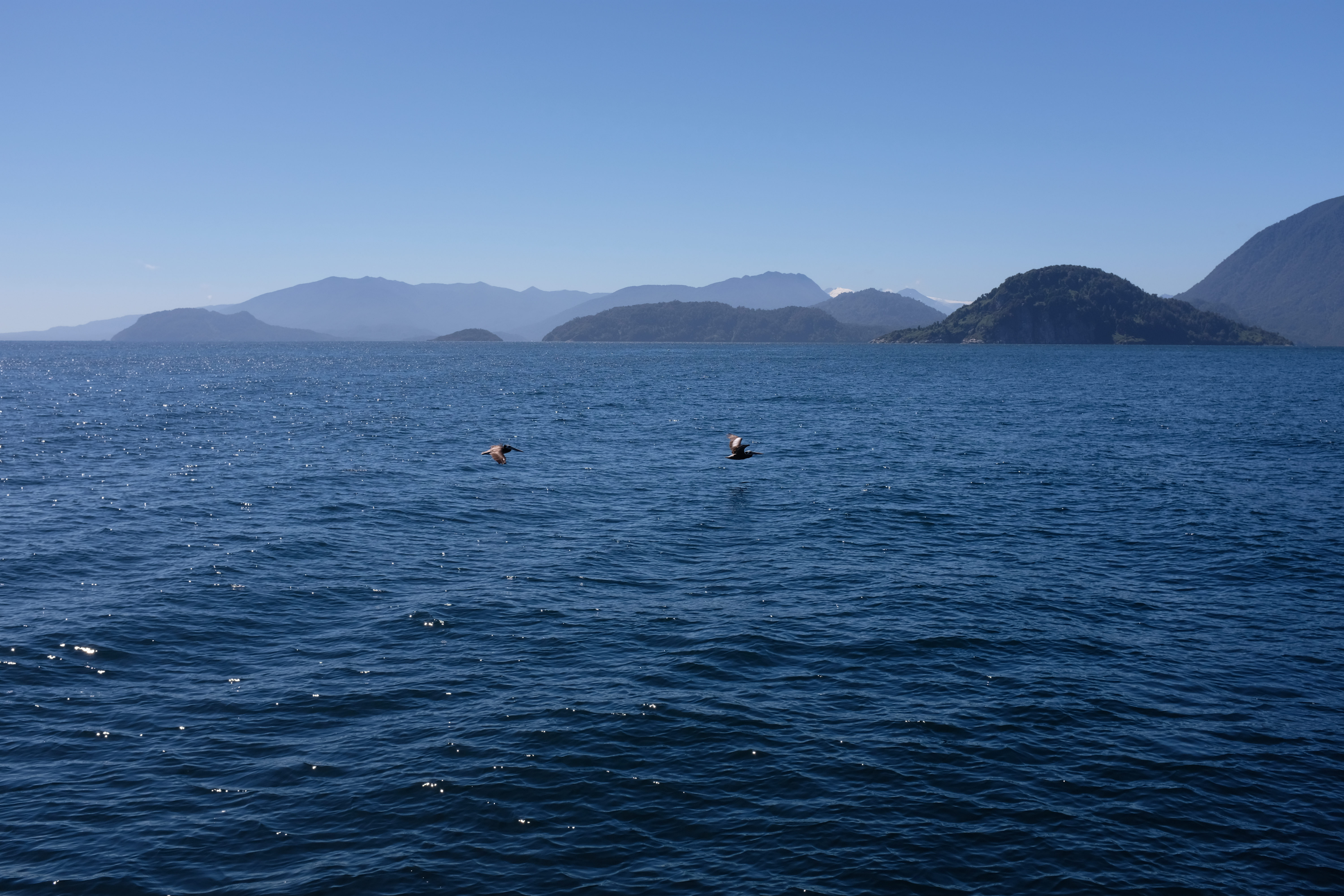
Photos: The environmental hazards of farming fish in a warming world

Additional photos from my reporting trip to Chile that didn’t make it into Patagonian paradise lost? The environmental hazards of farming fish in a warming world. Photo credit: Jessica McKenzie