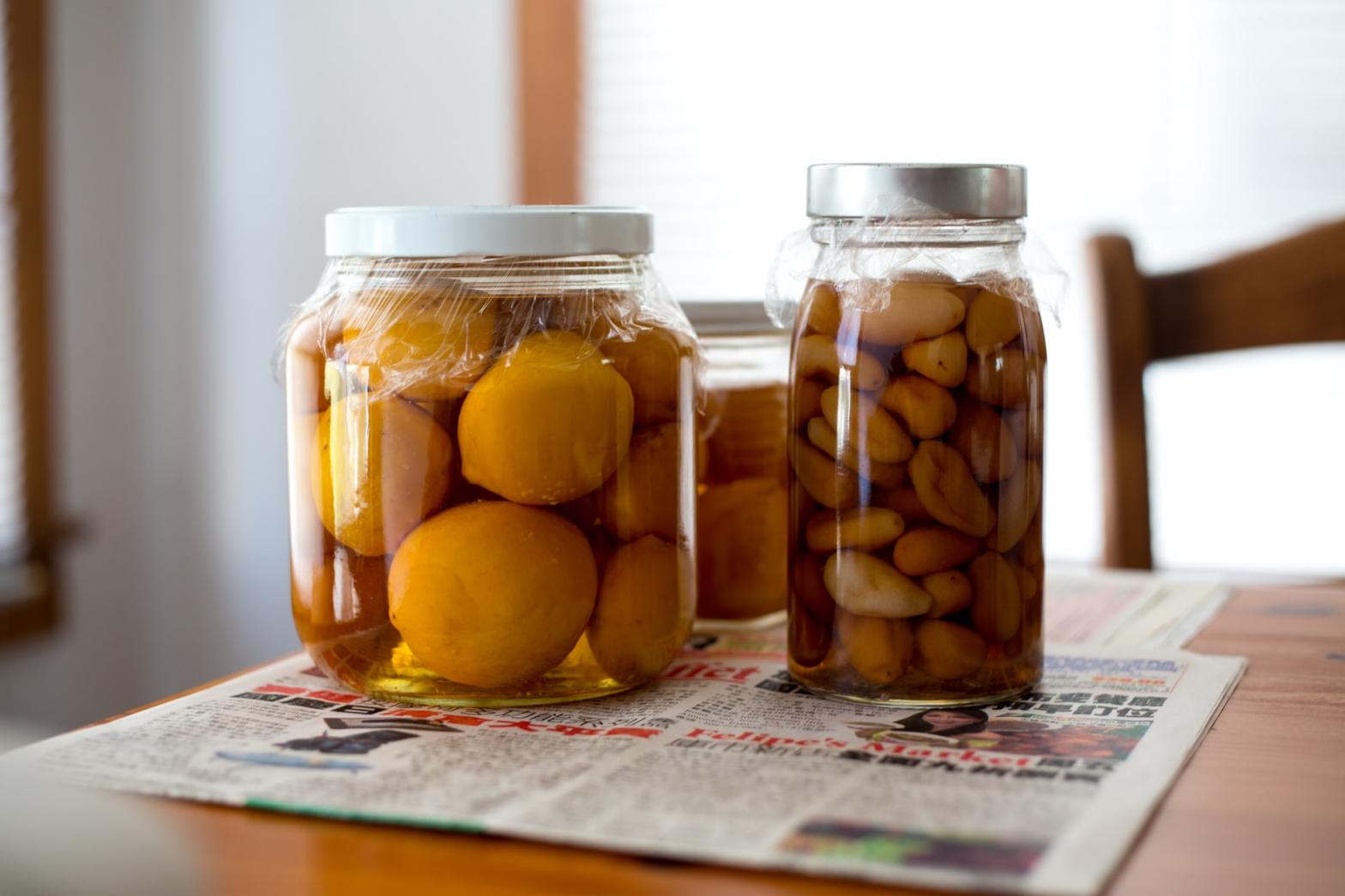
Last August, the Iowa State University (ISU) Extension and Outreach—the arm of the land-grant university that works directly with farmers, business owners, and families on practical science applications—quietly informed 4-H members that canned goods made with recipes from the Ball Blue Book would no longer be accepted for exhibits at county fairs. A year later, the news that ISU Extension was no longer recommending the Ball Blue Book, not just to 4-H, but to any home canner, roiled the Canning subreddit, an online community with nearly 80,000 members.
Tag Archives: science
The Counter: Gardening could be an essential part of astronaut self-care
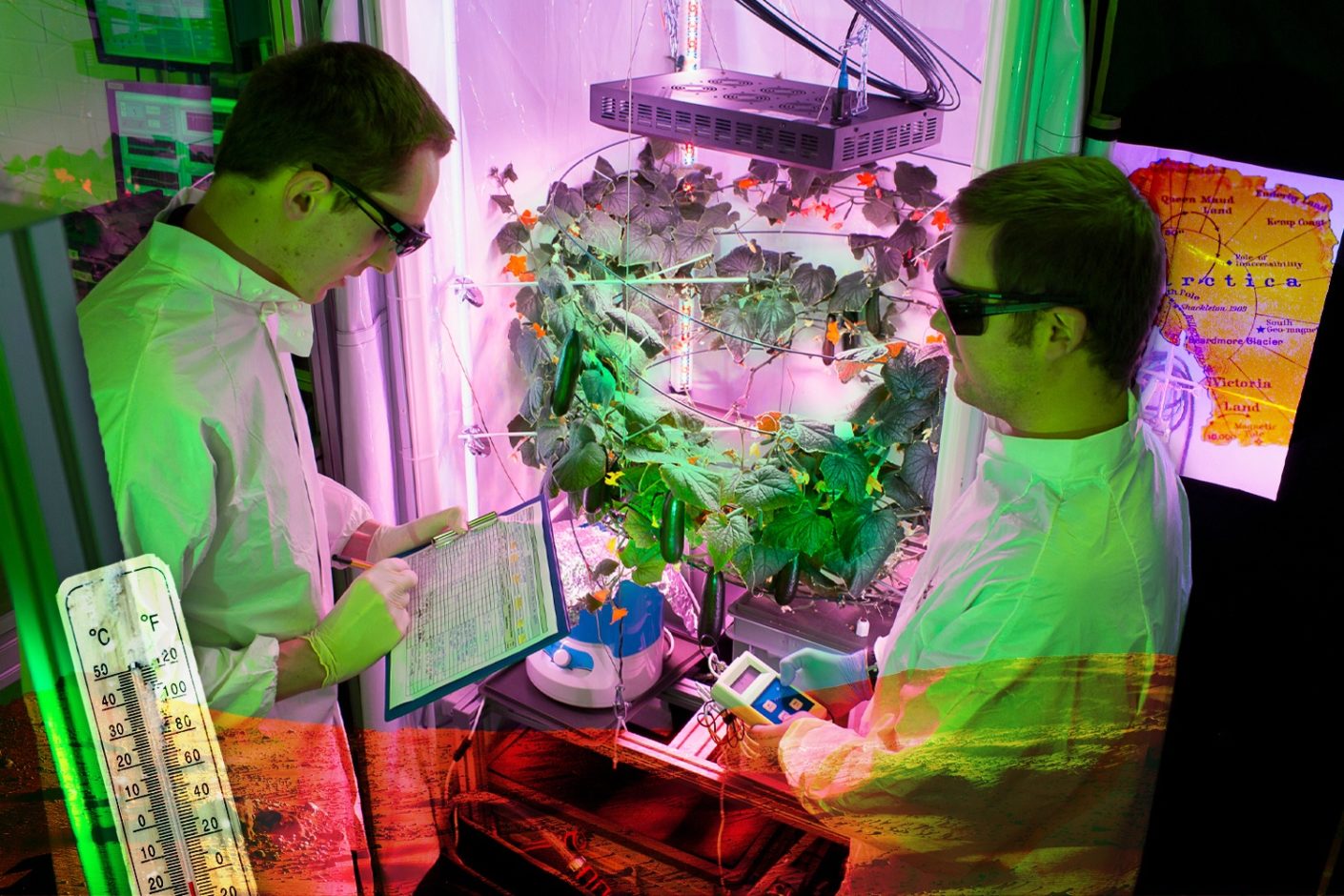
Indoor farming is helping an isolated NASA crew thrive in Antarctica, and could reap future psychological benefits for space explorers.
The Counter: What does a vertical farm taste like?
Indoor farming companies—like Kimbal Musk’s Square Roots—claim their methods can replicate any climate on earth, resulting in better-tasting produce.
New Food Economy: The misbegotten promise of anaerobic digesters
Federal agencies and state governments are spending millions on anaerobic digesters to wring renewable energy from animal poop. But critics say “cow power” from factory farms is neither clean nor green.
New Food Economy: Scientists say many UTIs are caused by E. coli in food—when will the government believe them?

The women may have lived more than 2,500 miles apart, but somehow they had a unique strain of multidrug-resistant Escherichia coli bacteria in common.
Researchers at the University of California, Berkeley, found the E. coli bacteria in 48 urine samples from college students who visited health centers at UC Berkeley, the University of Michigan, and the University of Minnesota with urinary tract infections (UTIs). Between 38 and 51 percent of the Berkeley, Minnesota, and Michigan students with UTIs resistant to the first-line antibiotic trimethoprim-sulfamethoxazole, often marketed as Bactrim, were infected with the same strain.
 Jessica S. McKenzie