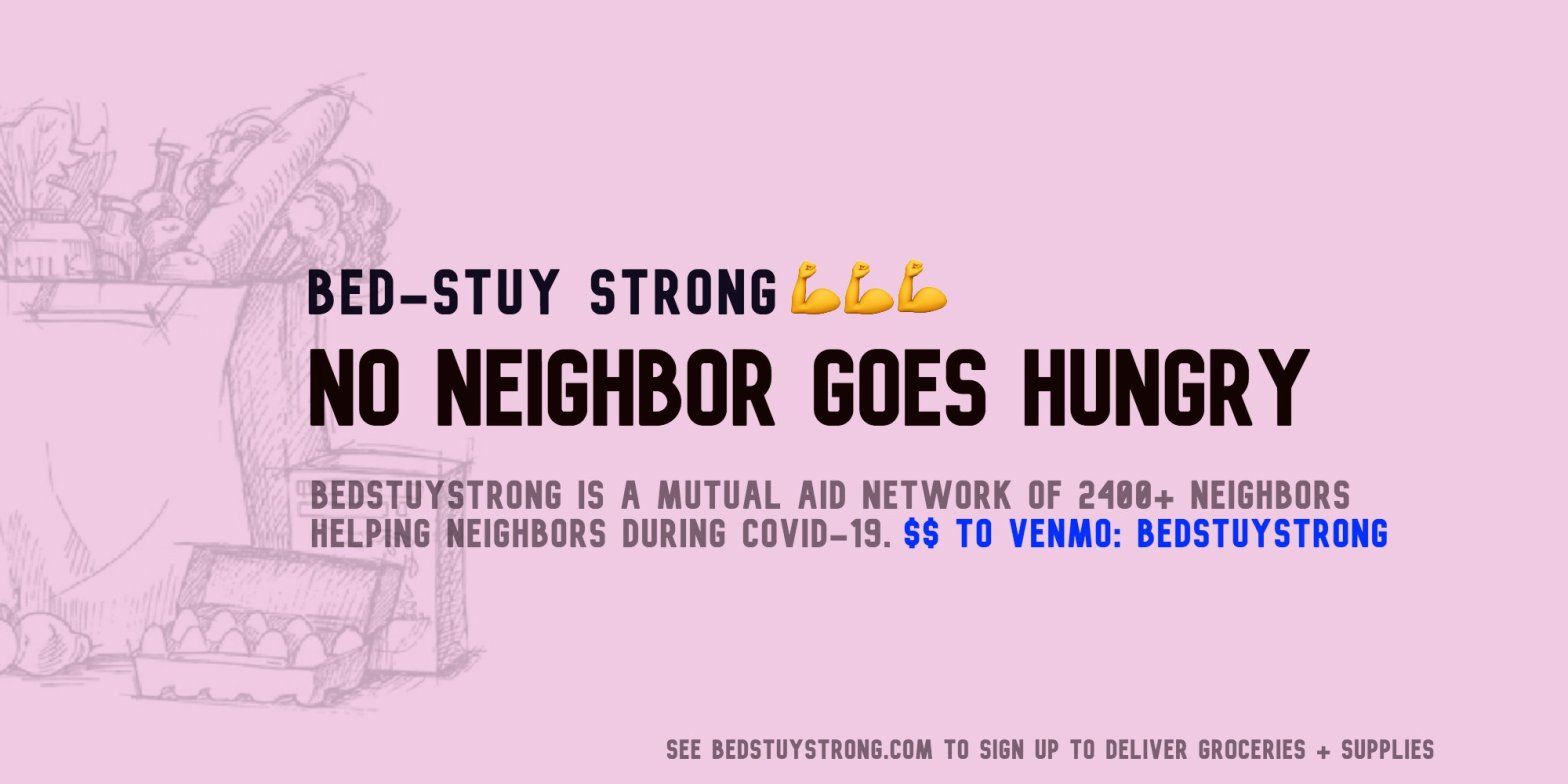
On Tuesday evening, several dozen Brooklynites gathered together in one of the only spaces available to us right now—on Zoom—to sing Happy Birthday. But the honoree wasn’t a person; it was the one-month anniversary of Bed-Stuy Strong, a mutual aid network that was started to respond to the coronavirus crisis in New York City, and to give residents in the Brooklyn neighborhood of Bedford-Stuyvesant—where I’ve lived since 2011—a way to help and to seek help from their neighbors. Since early March, more than 250 mutual aid groups have emerged in mostly urban neighborhoods across the country, all of them undoubtedly juggling similar challenges of coordinating volunteers, needs, tasks, and money as the crisis intensifies.
Author Archives: Jessica McKenzie
FairWarning: Pesticides and Produce: Environmental Group Lists Cleanest and Dirtiest Fruits and Vegetables
An environmental advocacy group is out today with its annual report on pesticide residues on fruits and vegetables. Raisin lovers, take note.
Nearly all conventionally-grown raisins are contaminated by traces of two or more pesticides, according to test data from the U.S. Department of Agriculture cited in Shopper’s Guide to Pesticides in Produce, the report by the Environmental Working Group, based in Washington, D.C. The average sample contained more than 13 pesticides, and one sample tested positive for 26. Even most organic raisins sampled by the USDA tested positive for at least one pesticide. The environmental group recommends that consumers buy organic raisins when possible, or avoid raisins in favor of fresh fruits and vegetables with lower levels of pesticide contamination.
The Counter: Will Michelob’s organic beer really transform American farmland?
The commercial opened on a lone, bearded farmer standing in a dark field. A narrator intoned meaningfully that less than 1 percent of American farmland is organic. But, the female voice continued, we could change that simply by buying Michelob Ultra Pure Gold, the first national, certified-organic beer brand. There was the pop and hiss of a twist-off bottle top, and suddenly we were in the club, only the club was a subway station and a woman carried a six-pack with her onto the train.
Tenderly: Patricia Highsmith’s Uncommon Empathy for Animals
Patricia Highsmith, the novelist best known for creating the diabolically charming character Tom Ripley, was a notorious misanthrope. An editor once characterized her as “a horrible human being” and a fellow writer described her as “an excellent hater.” But, at the very least, she loved animals. When she came across spiders inside the house, she would carefully carry them to the garden outside. She had a particular affection for snails, and kept some 300 of them as pets when she lived in a cottage in Suffolk, as well as for cats, with whom she was often photographed. Her feline relationships, a biographer wrote, were “often counted as her longest and most successful emotional connection.”
New Food Economy: The misbegotten promise of anaerobic digesters
Federal agencies and state governments are spending millions on anaerobic digesters to wring renewable energy from animal poop. But critics say “cow power” from factory farms is neither clean nor green.