Conversationalist: Don’t Thank Google

Earlier this week, Google opened their temporary “Grow with Google New York City Learning Center” on the first floor of the company’s Chelsea offices. The “pop-up” space embodies techno-optimism: well-lit classrooms with nearly floor-to-ceiling windows, decorated in neutrals with occasional pops of primary colors, and well-stocked with Google Chromebooks. For five months, the technology company will provide free and open-to-the-public classes on topics like “Manage Projects More Effectively with Online Tools” and “Make Your Website Work For You.”

The vast majority of classes are based on Google products: Learn to manage projects with Google Sheets; get your business online with Google My Business; discover new job opportunities with Google Search. In other words, Google is further entrenching their business monopoly under the pretence of helping entrepreneurs and job seekers. The company is cynically deploying the American dream of hard work and the self-made success story for its own benefit, expecting New Yorkers to thank them for the opportunity to help make Google even richer and more powerful. Read more…
Lifehacker: How to Grow a Bug-Friendly Garden Absolutely Anywhere

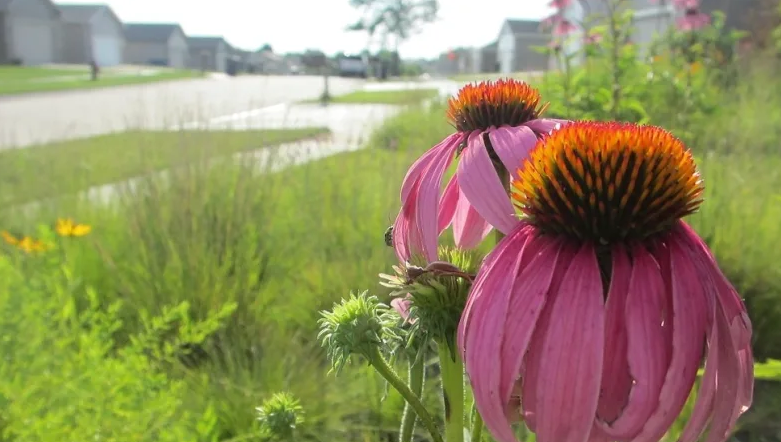
Habitat loss is a major factor in the decline of insect populations around the world, a trend that one group of researchers has warned could bring about the “catastrophic collapse of nature’s ecosystems.” For instance, the monarch butterfly population has fallen 99.4 percent since the 1980s—a precipitous decline that has wildlife conservationists calling for them to be listed as an official endangered species. While the monarch may be the charismatic megafauna of the insect world, other, less photogenic species are believed to be facing the same fate.

That’s where you come in: Even in small amounts, native grasses and wildflowers can provide essential shelter and food for a wide variety of wildlife—especially insects. No matter how much outdoor space you have to work with—whether a big backyard or a teensy window box—there are flowers, shrubs and grasses that you can grow to support a wide range of insect wildlife. Read more…

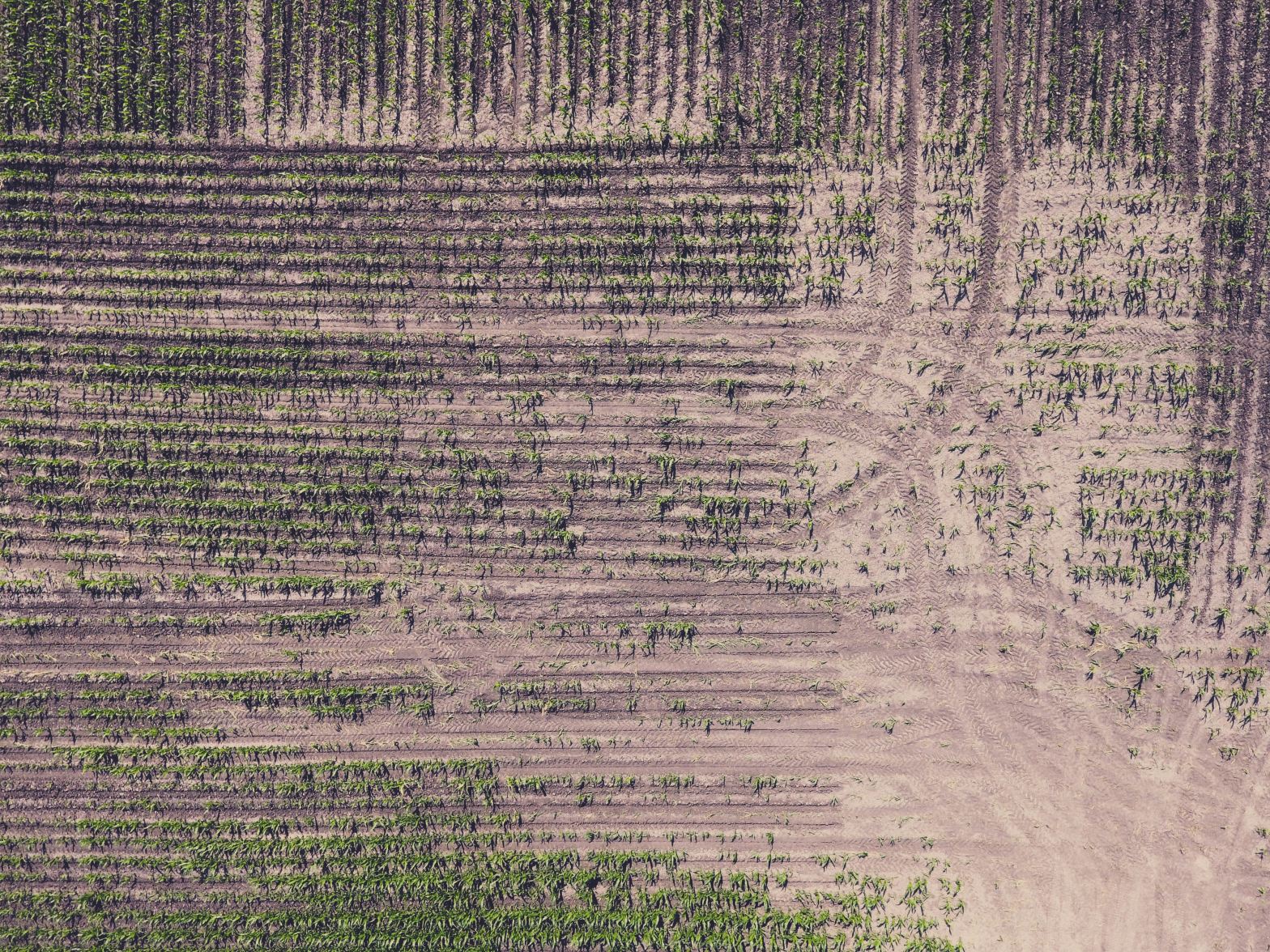
New Food Economy: Regenerative agriculture could save soil, water, and the climate. Here’s how the U.S. government actively discourages it.

Cover crops and other regenerative agriculture practices are still pigeonholed as conservation practices, not as good farming practices. But if farmers want crop insurance, they have to play by the rules.

Last year, a few days before Christmas, Gail Fuller drove me out to the middle of a wind-whipped field just north of Emporia, Kansas. “This is really where it started for me,” he said as he climbed out of the truck, spade in hand. With a thunk, he drove the spade into the ground and pulled out a hunk of earth, holding it up so I could see the texture, which he described as like “chocolate cake” and “black cottage cheese.” Read more…

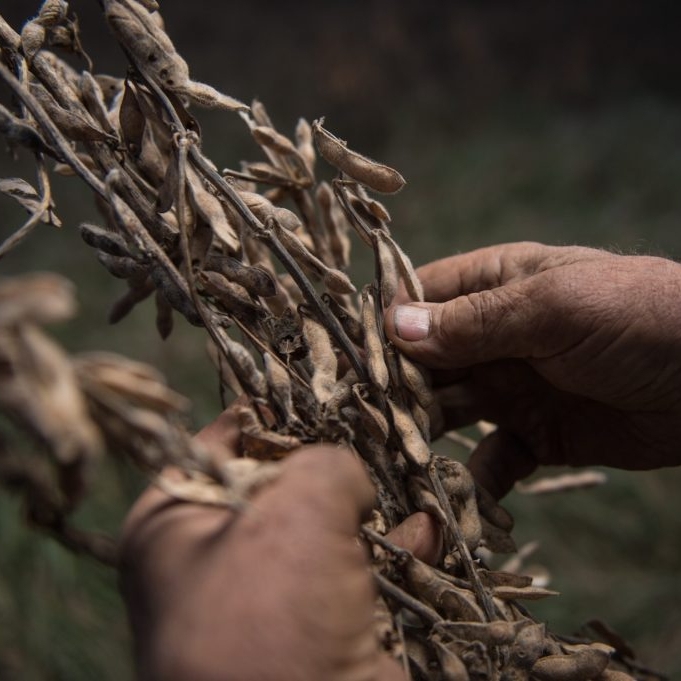
New Food Economy: The explosive dominance of soy over a century went unnoticed by most Americans—except for those growing it.

They were a fixture of the landscape as I was growing up, but I never stopped to wonder why that might be, or whether that might ever change. At least, I didn’t until soybeans began making headlines earlier this year. 

It’s a late weekday afternoon when I get the call inviting me to come ride. I quickly throw on jeans and boots and several layers to shield against the November chill. It’s a short drive, but when I pull off the road, the combine is already going full tilt, three to five miles per hour. Soon enough the John Deere is bearing down on me, towering 14 feet tall and nearly twice as wide, spitting out a cloud of dust that trails in its wake like smoke. I throw my hands up in greeting, and alarm. Read more…

New Food Economy: Soon we’ll use smartphones to trace our food on the blockchain. But there’s a catch: We’ll be traced, too.

Foodies interested in the provenance of their groceries may have to give up something in return: their privacy.

The “internet of everything” (IoE) is coming to a grocery store near you. With a tap of your phone, you’ll be able to find out where your heritage pork was raised and your bluefin tuna caught—in theory. Read more…