Bulletin: The saltwater wedge may spare New Orleans, but it’s still a crisis

The climate crisis continues to throw unexpected curveballs at cities and regions around the world, like the saltwater intrusion threatening the drinking water supply of the 1.2 million people in the New Orleans metropolitan area, which prompted President Joe Biden to declare a state emergency.

Earlier this month, the city received some welcome news: The wedge of saltwater that had been steadily advancing from the Gulf of Mexico up the Mississippi River had stalled, staving off a drinking water crisis in the city until late November, at least. A few days later, the wedge had retreated by more than five miles, giving the entire region even more breathing room.

Officials are still tentatively moving forward with emergency plans to safeguard the water supply, if necessary, including building a pipeline to bring in freshwater from further upstream to dilute the salinity of water at the city’s water treatment plants. (It’s unhealthy and eventually fatal for people to drink water above a certain salinity, and desalinating water is extremely expensive.) That pipeline would take up to 45 days to construct and could cost up to an estimated $250 million.

Although the saltwater wedge didn’t make national headlines until it began threatening New Orleans, smaller communities downriver have been without drinking water since June. Even if the city is spared—this year at least—it has revealed some crucial vulnerabilities in the region.

Read more…

Audubon: A Celebration of the Bobolink’s Star-Guided Migration

After college, Kirsten Furlong developed a deep interest in birds while working in a wildlife photographer’s gallery. The Boise, Idaho, resident’s current obsession is the Bobolink, a songbird whose numbers have plummeted in step with the loss of prairie nesting habitat.

To reach these breeding grounds, the birds use the stars to help navigate more than 6,000 miles. “It’s pretty magical,” Furlong says of the feat. Here she depicts two Bobolinks against a star-spangled backdrop. The ink and acrylic drawing is heavy on intricate detail but light on color, with pops of yellow at the birds’ napes and green grass blades that serve as fragile perches or lifelines.

Read more…

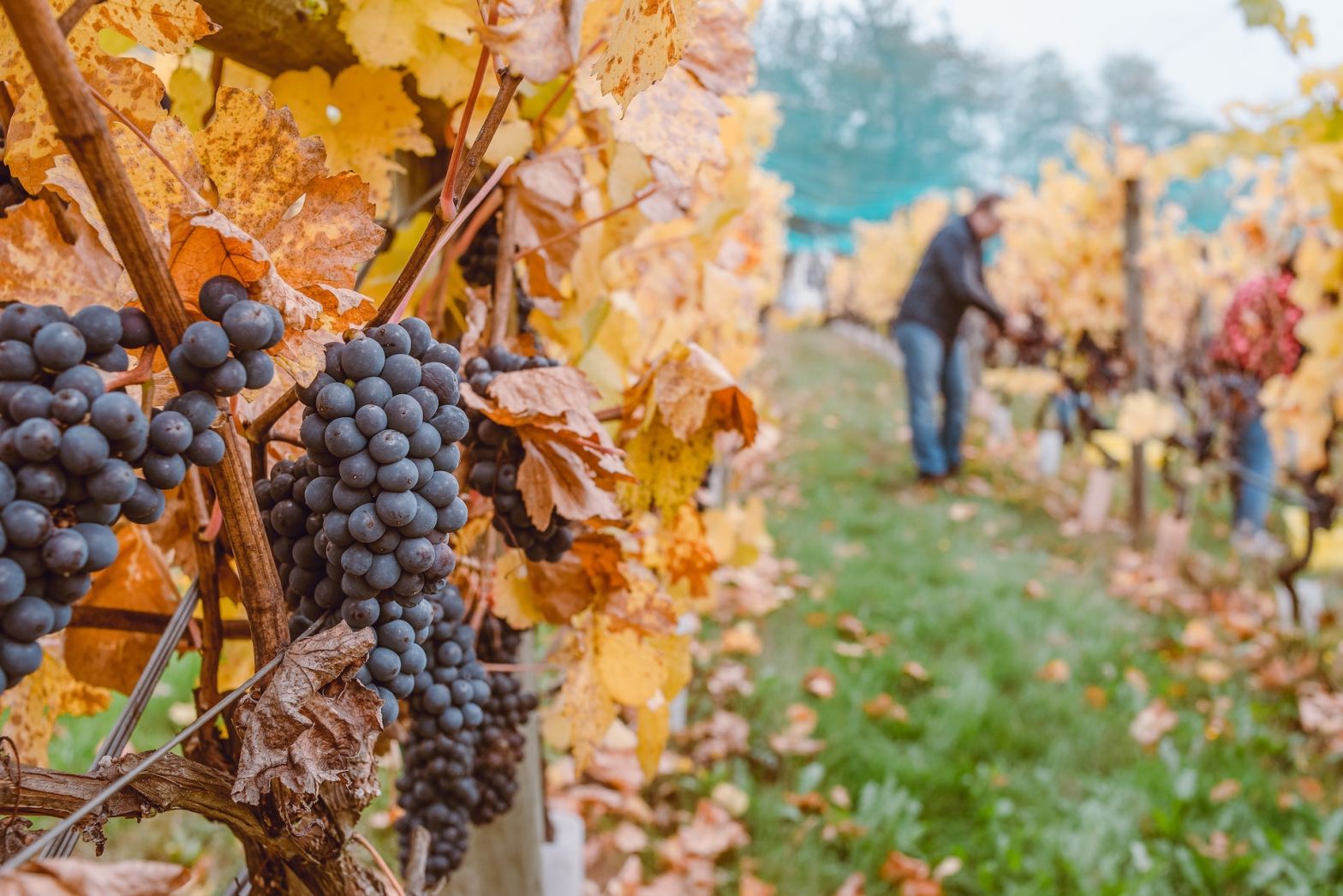
Bulletin: What these endangered wines tell us about climate crisis

“What do you think happened to this wine?”

I turned my attention to the bright cerise liquid in the last of our five glasses. It was lighter than the other two reds on the table. I took a sip, my amateur tongue probing for tasting notes that might reveal what climate trauma these grapes endured. Someone else beat me to it: “Smoke.”

After it was pointed out, I sensed it immediately: a bouquet of barbecue, a soupçon of combustion.

This was the 2020 Cloudline Pinot Noir from Oregon’s Willamette Valley. Oregon’s 2020 wildfire season was one of the most destructive in the state’s history, burning well over a million acres and killing 11 people. Nearly every wine-producing region in the state was impacted by either fire or smoke drift.

Read more…

Bulletin: Wonder in the time of climate crisis

I was prepared to loathe the new nature docuseries from PBS, “Evolution Earth.”

The press release crowed that the series “reveal[s] animals keeping pace with a planet changing at superspeed” and “tells a tale of resilience that redefines our understanding of evolution and hints at how nature can show a path towards a sustainable future for Planet Earth.”

This copy flew in the face of at least one article that recently passed through my inbox, which reported that even African wild dogs, a species adapted to the warm tropics, were suffering from hotter temperatures. Researchers found fewer pups were surviving to adulthood; the time between litters was getting longer; and adult survival was lower after bouts of hot weather. And that’s just one example of a species struggling to adapt to a changing climate. Certainly, the promotional materials made no mention of the ongoing extinction crisis, in which more than one million species are teetering on the brink of nonexistence.

The last thing society needed, I thought, was a feel-good series about how the animals will prevail during the climate and biodiversity crisis, while masking, circumventing, or denying the full extent of the damage humans have wrought on the Earth and its ecosystems.

But “Evolution Earth” walks a precarious tightrope, acknowledging irreversible losses in the same breath as it celebrates the unexpected and, yes, even hopeful adaptations of a few select species around the globe.

Read more…

Bulletin: Scrap solution: Burning tires to mine bitcoin

A bitcoin mine located at a waste coal power plant in Pennsylvania wants to add a new fuel to its power generation mix: scrap tires.

Stronghold Digital Mining describes itself as an “environmentally beneficial” bitcoin miner. But during a virtual press conference on Monday, Russell Zerbo, an advocate at Clean Air Council, said the facility, Panther Creek, had received at least seven air quality violations since it was acquired by the cryptocurrency mining company in 2021.

The press conference brought together representatives of local and national environmental organizations, including Earthjustice and PennFuture, along with residents of Carbon County—where the plant is located—to ask the Pennsylvania Department of Environmental Protection to reject Stronghold’s permit application for this new fuel source.

Read more…